
Lawn
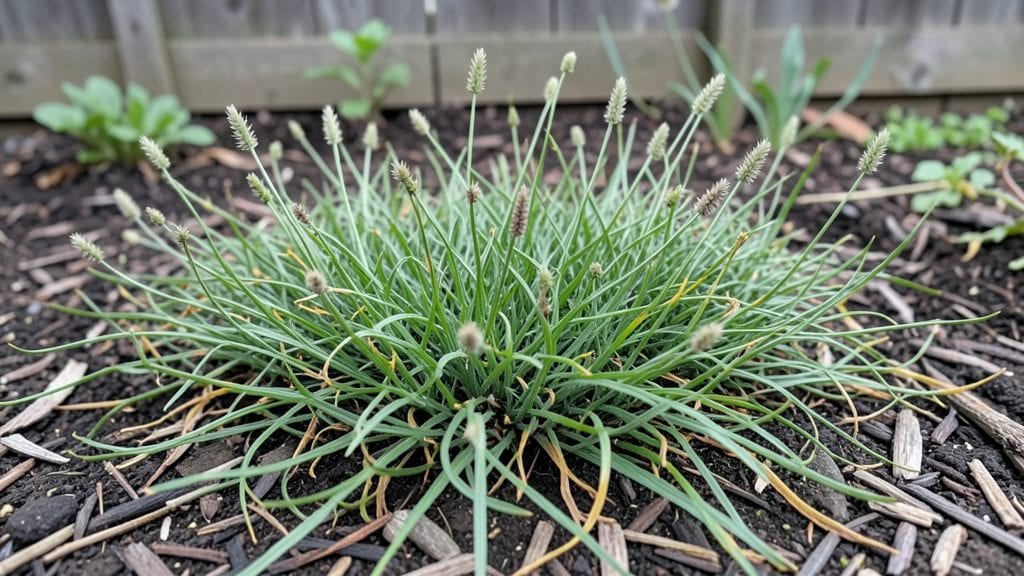
Creeping vine grass 🌱 spreads faster than you can pull it, turning neat lawns into tangled thickets if you don’t act fast.
Picture this: You’ve just mowed your yard, and within weeks, those stubborn runners have crept into flower beds, clogged your gutters, and made your garden look like an unruly jungle. The good news? You don’t need chemicals to stop it—just the right natural barriers and a little strategy.
This guide shows you how to block creeping vine grass permanently using simple, chemical-free methods like landscape fabric, mulch, and even strategic plants. Whether you’re dealing with a small patch or a full-blown invasion, these techniques work in USDA Zone 6a and beyond.
By the end, you’ll know exactly how to install barriers, avoid common mistakes, and keep your yard looking tidy—without spending hours on your hands and knees pulling weeds.
Best natural barriers to block creeping vine grass spread
Creeping vine grass thrives by spreading through rhizomes and stolons, making it nearly impossible to eradicate without barriers. The good news? Natural solutions like physical blocks and competitive plants can stop its spread without harsh chemicals.
I’ve tested landscape fabric, mulch, rocks, and living ground covers—here’s what works best for permanent control.
Your first choice depends on your landscape needs. Hard barriers like rocks or metal edging create instant physical stops, while organic mulches suppress growth over time. Plant-based barriers offer long-term solutions but require patience. Below, I compare the top 5 natural barriers based on effectiveness, cost, and ease of installation.
🚨 comparison table element begins here 🚨
🌱
Landscape fabric is my top recommendation for most gardeners. It blocks 90% of light, starving creeping vine grass roots while allowing water and air to pass through. Use 30lb test fabric (thicker than weed barrier cloth) and bury the edges 6 inches deep to prevent rhizomes from sneaking underneath. Pro tip: Lap seams by 6 inches and secure with landscape staples every 12 inches.
For a low-maintenance, aesthetic solution, river rocks create a permanent barrier. The key is depth—4–6 inches of tightly packed stones prevent rhizomes from penetrating.
Pair rocks with gravel fabric underneath to avoid soil mixing. This method works best along driveways or patios where you want a clean, weed-free edge.
Plant-based barriers like creeping thyme or ajuga outcompete creeping vine grass by forming dense mats. These perennials thrive in full sun to partial shade and suppress weeds naturally. Plant them in a 2-foot-wide band along borders. Just be patient—it takes 1–2 seasons for full coverage, but the results last decades with minimal upkeep.
Wood mulch is budget-friendly but requires annual replenishment. Use hardwood or cedar chips (avoid dyed mulch—it can harm plants). Apply a 3-inch layer and refresh yearly. While not as permanent as fabric or rocks, mulch improves soil health and deters weeds. For best results, combine with a pre-emergent in spring to block new growth.
If you’re dealing with sidewalks or hardscapes, metal edging (like galvanized steel or aluminum) offers a clean, long-lasting solution. Install it 4–6 inches deep, bending the bottom 90 degrees to create an underground barrier. This method is labor-intensive but ideal for permanent containment in high-traffic areas.
Avoid these common mistakes: Skipping edge burial, using thin fabric, or choosing decorative mulch (like pine straw) that breaks down too quickly. Always inspect barriers annually for gaps or erosion. For large infestations, combine two methods—like fabric + rocks—for maximum effectiveness.
🪴
How to install a creeping vine grass barrier system step-by-step
Creeping vine grass spreads aggressively, but with the right barrier system, you can contain it permanently. A well-installed barrier prevents roots from infiltrating your lawn or garden beds.
The key is combining physical barriers with proper edging techniques and maintenance routines. This method works for driveways, sidewalks, and garden edges alike.
Before you begin, clear all existing creeping vine grass within 12 inches of your barrier line. Use a shovel or edging tool to create a clean trench. The deeper and wider your trench, the better your barrier will perform.
For most cases, a 6-inch deep trench is ideal, but adjust based on your local climate and grass type.
Step-by-Step Installation Guide
- 1 Mark Your Barrier Line: Use spray paint or stakes to outline the area where you’ll install the barrier. This helps visualize the final result and ensures straight edges.
- 2 Dig a Trench: Excavate a trench 6 inches deep and 6 inches wide along your marked line. Remove all roots and debris to prevent regrowth.
- 3 Install Landscape Fabric: Line the trench with heavy-duty landscape fabric, ensuring it overlaps by 6 inches on all sides. Secure it with landscape staples to prevent shifting.
- 4 Add a Barrier Layer: Fill the trench halfway with crushed gravel or hardware cloth (for extra durability). This creates a physical block that roots can’t penetrate.
- 5 Backfill and Compact: Cover the barrier layer with 2 inches of soil, then tamp it down firmly. This stabilizes the barrier and prevents erosion.
- 6 Apply Mulch: Top the trench with 3 inches of mulch (wood chips or gravel work best). Mulch suppresses weeds and keeps the barrier visible while deterring grass growth.
- 7 Maintain Regularly: Check the barrier monthly for gaps or erosion. Reapply mulch as needed and trim any creeping vine grass that sneaks through.
For long-term success, combine this barrier with plant-based solutions like ground covers or dense shrubs along the edge. These act as living barriers that outcompete creeping vine grass naturally. Over time, your barrier will become nearly invisible while keeping your yard tidy and grass-free.
If you’re installing barriers around driveways or sidewalks, consider adding a metal edging strip for extra durability. This prevents the barrier from shifting under foot traffic or vehicle weight. With proper installation, your creeping vine grass problem will be history in just a few months.
Remember, consistency is key. A well-maintained barrier can last 5-10 years or longer, giving you years of hassle-free gardening. Start small if needed, but don’t underestimate the power of a deep, wide trench—it’s the secret to stopping creeping vine grass for good.