
Lawn
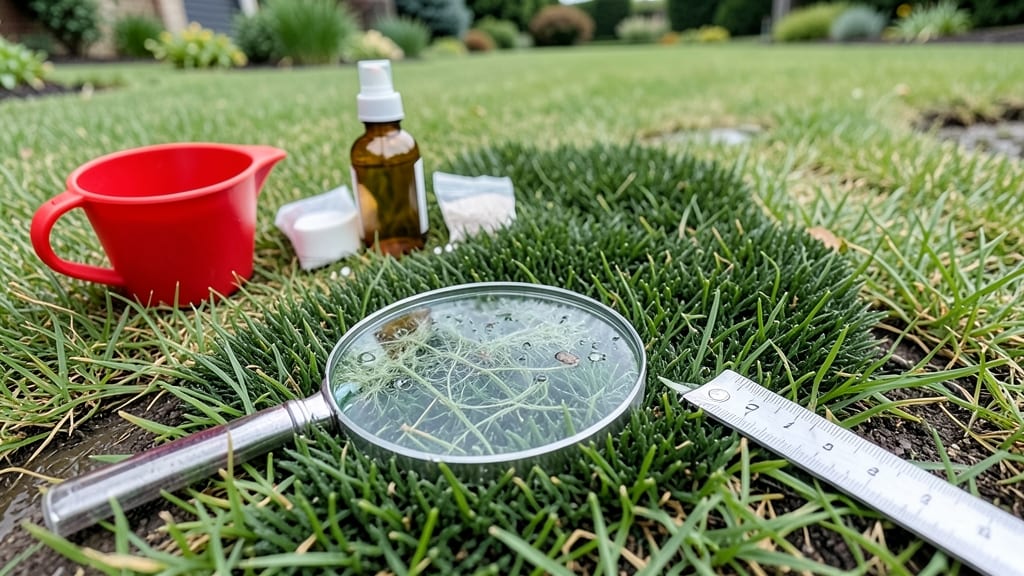
Dark green spots in your lawn might look lush, but they’re often a sign of trouble. ✨ I’ve battled dollar spot and brown patch myself—those velvety patches hide fungal feasts that weaken grass over time. The good news? A few simple steps can turn them into healthy turf again.
Most dark spots come from overwatering, poor airflow, or fungal infections like dollar spot. I learned the hard way that skipping mornings with dew on the grass invites trouble.
Check for thin spots, sticky blades, or a musty smell—those are red flags. Your grass type matters too: fine fescue handles moisture differently than Kentucky bluegrass.
Start with a baking soda spray (1 tablespoon per gallon of water) to disrupt fungal growth, then prune nearby plants for better airflow. Adjust watering to deep but infrequent sessions—early morning is key. Within 2-3 weeks, you’ll see the spots fade as your lawn regains balance.
For stubborn cases, a fungicide (like myclobutanil) works fast, but prevention is easier: mow high, aerate annually, and avoid walking on wet grass. I’ve kept my lawn spot-free for years with these tricks—your yard can too.
Root Causes Of Dark Spots
Dark green patches in your lawn aren’t just an eyesore—they’re often a sign of underlying issues. Understanding the why behind these spots is the first step to fixing them. Below, we break down the most common culprits, from fungal infections to environmental factors, with clear explanations and actionable insights.
Fungi thrive in damp, shaded, or nutrient-rich conditions, turning your lawn into a buffet. The most notorious offenders include:
- Dollar Spot (Sclerotinia homoeocarpa): Creates small, dark, water-soaked patches, often with a "smoky ring" of mycelium. It loves high humidity and cool nights (50–75°F).
- Brown Patch (Rhizoctonia solani): Leaves behind larger, dark brown/black spots with a "frothy" texture, especially in hot, humid weather (75–90°F).
- Necrotic Ring Spot (Rhizoctonia cerealis): Produces concentric rings of dark green/yellow grass, often in overwatered or compacted soil.
Why it happens: Fungi spread via spores in water, soil, or even mower blades. Poor air circulation, thatch buildup, or over-fertilizing with nitrogen (which feeds fungi more than grass) create the perfect storm. 💡 Pro tip: Fungi love wet leaves—keep them cleared to reduce moisture.
Too much water (or not enough drainage) suffocates grass roots, creating anaerobic conditions that stress plants. Dark spots often appear in:
- Low-lying areas where water pools.
- Heavy clay soils that compact and trap moisture.
- After prolonged rain or overwatering (e.g., sprinklers running 2+ hours/day).
Why it happens: Grass roots need oxygen to thrive. When soil stays soggy, roots drown, leading to chlorosis (yellowing) or necrosis (dead patches). Compacted soil worsens the issue by blocking water flow. ✨ Key sign: If the spot feels spongy when pressed, drainage is likely the problem.
Not all dark spots are fungal—some are environmental. Two sneaky culprits:
#### 🌳 Shade StressGrass like Kentucky bluegrass or fescue needs 4–6 hours of sunlight daily. Under trees or buildings, it may develop:
- Dark green patches (thicker growth due to slower photosynthesis).
- Thin, weak grass with purple/red tinges (phosphorus deficiency).
Why it happens: Shade reduces chlorophyll production, forcing grass to grow longer and slower to seek sunlight. This creates a dense, dark green appearance—but it’s not healthy. 💡 Fix: Choose shade-tolerant grasses like fine fescue or thin trees to improve airflow.
#### 🧵 Thatch Layer BuildupA thatch layer 1/4" or thicker blocks water, air, and nutrients from reaching roots. Dark spots form when:
- The thatch smothers grass, leading to fungal growth.
- It traps moisture, creating anaerobic zones.
Why it happens: Thatch is made of dead grass, roots, and debris. It builds up from over-fertilizing, poor mowing (leaving clippings), or using high-nitrogen lawns. 🔥 Warning: If you rake and find a spongy mat (not soil), thatch is the issue.
Too much (or the wrong) fertilizer can burn grass, turning patches dark brown/black. Common triggers:
- Nitrogen burn: Excessive quick-release nitrogen (like urea) causes salt buildup in soil.
- Herbicide drift: Glyphosate or pre-emergent herbicides can kill grass in spotty patterns.
- pH imbalances: Soil too acidic (pH <5.5) or too alkaline (pH >7.5) locks out nutrients.
Why it happens: Fertilizers like urea or ammonium sulfate can raise soil salinity, dehydrating roots. Herbicides may selectively kill grass in treated areas. 🎯 Test your soil: A pH test kit ($10) reveals if your lawn is starving or poisoned.
Subsurface pests like grubs or chinch bugs feed on roots, creating dark, dying patches that pull up easily. Look for:
- Grass that lifts like a rug when tugged.
- Small white grubs in soil when dug up.
- Birds or skunks digging in your lawn (a red flag!).
Why it happens: Grubs (larvae of Japanese beetles or June bugs) chew roots, while chinch bugs inject toxins into grass stems. 🔪 Quick check: Dig a 6" square—if you find 5+ grubs per sq ft, treat immediately.
Quick Fixes for Lawn Spots
Dark green spots in your lawn might seem like a mystery, but with the right approach, you can restore your grass to its vibrant self. The solution depends on the root cause—whether it’s fungal infections, overwatering, or nutrient imbalances.
Below, we’ve broken down practical fixes for each common issue, along with prevention tips to keep your lawn lush and spot-free.
Fungal spots (like dollar spots or brown patch) thrive in damp, shaded conditions. Here’s how to tackle them: #### 🔥 Apply Baking Soda (For Early Stages)Baking soda is a natural antifungal agent that disrupts fungal growth. For small spots:
- Mix 1 tablespoon of baking soda with 1 gallon of water.
- Lightly spray the affected areas in the morning (avoid evening applications to prevent fungal resurgence).
- Reapply every 3–5 days until the spots fade.
⚠️ Warning: Don’t overdo it—baking soda can alter soil pH if used excessively.
#### 🌿 Prune for Better AirflowThick grass traps moisture, creating fungal paradise. Thin out dense areas by:
- Mowing higher (set blades to 3–4 inches).
- Removing thatch (the spongy layer between soil and grass) with a rake or dethatching tool.
- Trimming overhanging branches to let sunlight reach the lawn.
Water deeply but infrequently—early morning (before 10 AM) is best. Avoid evening watering, as damp grass overnight fuels fungi. 🌡️
If your lawn stays soggy, roots suffocate, leading to discoloration. Fix it with these steps:
#### 🔧 Improve Soil DrainageTest your soil’s drainage by digging a 6-inch hole and filling it with water. If it drains in 2 hours, you’re good. If not:
- Add compost or sand to heavy clay soil (mix into the top 2–3 inches).
- Consider a French drain or swales (shallow trenches) for large areas.
Most lawns need 1–1.5 inches of water per week (including rain). Use a rain gauge or tuna can to measure:
- Water deeply 2–3 times per week (early morning).
- Avoid light, frequent watering—it encourages shallow roots and fungal growth.
Dark green spots can signal nitrogen or iron deficiencies. Boost your lawn’s health with:
#### 🍽️ Fertilize SmartlyUse a slow-release nitrogen fertilizer (like 24-0-4) in early spring or fall. Follow package rates—more isn’t better!
For iron deficiency (common in alkaline soils), apply an iron chelate supplement in late spring.
#### 🌿 Overseed Bare PatchesIf spots reveal thinning grass, overseed with a disease-resistant grass variety (like Kentucky bluegrass or tall fescue).
- Rake the area to loosen soil.
- Spread seed evenly and cover with a thin layer of compost.
- Keep moist (not soggy) until germination (7–14 days).
Stop spots before they start with these habits:
- ✅ Mow high (3–4 inches) to shade out weeds and retain moisture.
- ✅ Rake regularly to remove thatch and debris.
- ✅ Test soil pH (ideal: 6.0–7.0) and amend if needed (lime raises pH; sulfur lowers it).
- ✅ Aerate compacted soil in fall to improve root access to nutrients.
- ✅ Rotate fungicides if fungal issues persist (use copper-based or potassium bicarbonate sprays).
With the right mix of treatment, prevention, and patience, your lawn will bounce back—no more mysterious dark spots in sight! 🌿✨
Frequently asked questions
Can dark green spots in my lawn be a good thing?
Not usually! While they might look lush, these spots often signal problems like fungal infections (dollar spot), overwatering, or nutrient imbalances. The dark color usually means your grass is either stressed or thriving in unhealthy conditions. The exception? Some shade-tolerant grasses grow darker in low-light areas—but even then, they’re often weaker than sun-exposed grass.
How do I tell if my dark spots are fungal or just thick grass?
Run the blade test: Tug gently on the grass in the spot. If it pulls up easily (like a rug) or has a musty smell, it’s likely fungal. Healthy thick grass resists pulling. Also check for smoky rings (dollar spot) or frothy texture (brown patch). Pro tip: Fungal spots often appear in circular patterns.
Will baking soda really fix fungal spots?
Yes, but only for early-stage infections! Mix 1 tablespoon baking soda with 1 gallon water and spray affected areas in the morning. It disrupts fungal spores by raising pH temporarily. For stubborn cases, follow up with a copper fungicide (like Bonide Copper Fungicide). Reapply every 3-5 days until spots fade—usually 2-3 weeks.
Could my sprinkler system be causing dark spots?
Overwatering creates the perfect conditions for fungal growth. If your sprinklers run more than 1-1.5 hours/day or water at night, they’re likely contributing. Check for uneven coverage—spots where water pools will develop dark patches. Adjust to deep watering 2-3x/week in early morning instead.
How long until I see improvement after treating spots?
With proper treatment, you’ll typically see changes in 2-4 weeks. Baking soda works fastest (7-10 days for mild cases), while fungal spots may take 3-4 weeks to fully recover. For drainage issues, improvements appear in 1-2 weeks after amending soil. Consistency is key—skip treatments and spots will return. Patience pays off!