
Plants
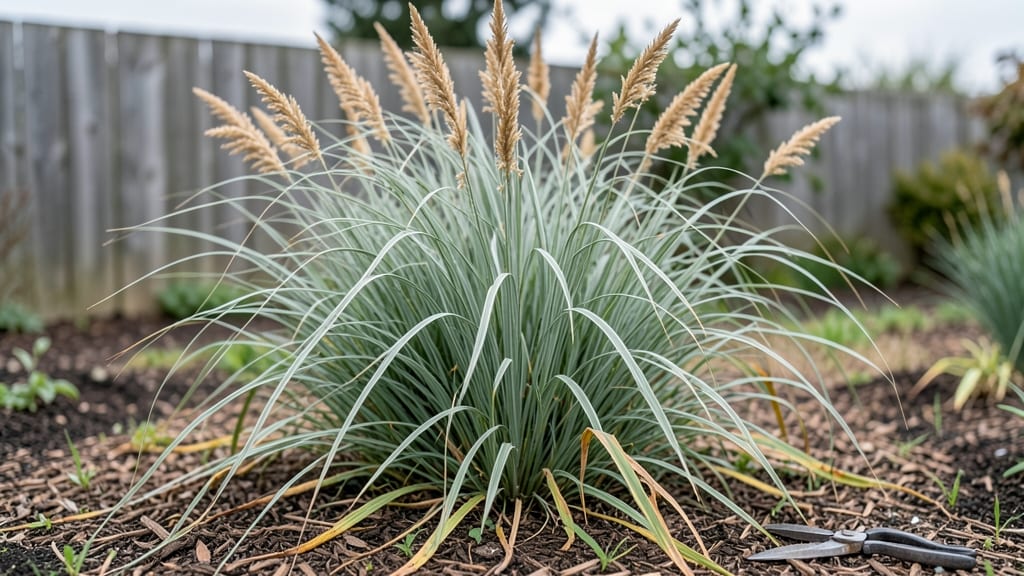
Decorative ornamental grass care isn't as tricky as it seems once you know the right moves. 🌿 I've turned my once-fragged ornamental grasses into the showstopper of my garden with just a few simple adjustments—no green thumb required.
The key is understanding their natural rhythm: when to cut back, how much water they really need, and why some grasses flop while others stand tall all year.
Most ornamental grasses thrive with minimal fuss—think once-a-week watering in summer, zero pruning in winter, and one annual haircut in late winter. They love well-draining soil but won’t complain if yours isn’t perfect, and they handle heat and drought like pros.
The real secret? Less is more—overwatering or over-pruning kills that airy, natural look you’re after.
By summer, your grasses will sway like a velvety green curtain, catching the light just right. The best part? They stay lush through frost, adding texture and movement when other plants fade.
You’ll skip the guesswork and enjoy grasses that look effortless—because once you get the basics, they practically take care of themselves.
Works for sun-drenched borders, shady woodland edges, or even container gardens. Let’s get those blades standing tall all season long—no struggle required.
📚 In This Guide
- What you need
- Instructions
- Tips and common mistakes
- Wrapping up and next steps
What you need
- ● Decorative ornamental grass plants – Choose varieties like Miscanthus, Pennisetum, or Carex based on your climate and space.
- ● Well-draining potting mix or garden soil – Aim for a blend with 50% native soil and 50% organic matter (e.g., compost or peat moss).
- ● Garden gloves – A pair of durable, breathable gloves (e.g., Wet & Forget or Gloves USA) to protect your hands.
- ● Pruners or sharp shears – Bypass pruners (for clean cuts) or hedge shears (for shaping).
- ● Watering can or hose with a gentle spray nozzle – 1-2 gallons capacity for potted plants; soaker hose for in-ground varieties.
- ● Fertilizer – Balanced, slow-release granular fertilizer (e.g., 10-10-10 NPK ratio) for spring planting.
- ● Organic options like fish emulsion or compost tea for a natural boost.
- ○ Mulch (optional but recommended) – 2-3 inches of shredded bark or pine straw to retain moisture and suppress weeds.
- ● Edging tools – To define borders neatly (e.g., plastic or metal edging).
- ● Plant stakes or labels – For identifying varieties and supporting tall grasses.
- ● Foliar spray (neem oil or fungicide) – For preventative care against pests or diseases.
- ● Wheelbarrow or bucket – For mixing soil amendments or transporting materials.
- ● Knee pads – Because comfort matters when you’re down on the ground!
Step-by-step guide to year-round decorative ornamental grass care
Here’s how to keep your ornamental grasses lush and vibrant through every season—no guesswork, just results.
🌱 Step 1: Establish Proper Planting and Spacing
Start by selecting a location with full sun to partial shade—most ornamental grasses thrive in 6+ hours of sunlight daily. Dig holes twice as wide as the root ball but only as deep as the container they came in. This prevents burying the crown, which causes rot.
Space plants according to their mature width—18-36 inches apart for most varieties. I always add a handful of compost to the backfill soil to boost root establishment. Press the soil gently around the roots to remove air pockets, then water deeply until moisture reaches 6 inches down. You’ll know it’s right when the soil surface looks slightly damp but not soggy.
☀️ Step 2: Water Strategically for Seasonal Needs
Newly planted ornamental grasses need 1 inch of water weekly for the first 3 months to encourage deep root growth. After establishment, reduce to ½ inch weekly—most grasses are drought-tolerant once rooted. Water at the base, not overhead, to prevent fungal diseases.
In winter, cut back on watering unless your region experiences prolonged dry spells. The goal is to keep the soil slightly moist but never waterlogged. You’ll notice healthier foliage when the grass stays upright instead of leaning or wilting in heat.
✂️ Step 3: Prune and Divide at the Right Times
Wait until late winter or early spring to cut back dead foliage—never prune in fall, as the old growth provides winter protection. Use sharp pruners to trim 3-4 inches above the ground, removing only the brown, dried stems. This encourages fresh, vibrant growth without disturbing the crown.
Divide clumps every 3-5 years in early spring or fall. Dig up the entire plant, then separate the root ball into sections with a clean spade. Replant divisions immediately—they’ll establish faster if not left exposed. You’ll know divisions are healthy when each section has 3-4 healthy shoots.
🪴 Step 4: Fertilize and Protect Through Seasons
Apply a balanced, slow-release fertilizer in early spring, following label rates. Most ornamental grasses don’t need heavy feeding—over-fertilizing leads to weak stems and excessive growth. I use a 10-10-10 formula lightly scattered around the base, then water it in.
In winter, protect tender varieties with a light mulch layer (2-3 inches) of shredded bark or straw. This shields roots from extreme cold while allowing airflow. Remove mulch in early spring before new growth appears—you’ll see fresh shoots emerge within 2-3 weeks.
⏰ Step 5: Monitor for Pests and Adjust Care
Check for grasshoppers, spider mites, or fungal spots weekly. Treat infestations early with neem oil or insecticidal soap—most ornamental grasses recover quickly if pests are caught early. Avoid chemical sprays, as they can damage beneficial insects.
If leaves turn yellow or brown, it’s often a sign of overwatering or poor drainage. Amend the soil with sand or perlite if needed, and adjust your watering schedule. Healthy ornamental grasses should have upright, arching foliage with minimal discoloration.
Tips & tricks for perfect decorative ornamental grass care
These practical insights will help you avoid common pitfalls and keep your ornamental grasses thriving year after year.
Soil Preparation Tip: Before planting, consider amending your native soil with sand or perlite if it feels heavy or compacted. Ornamental grasses prefer well-draining soil, and this simple step prevents root rot—especially in clay-heavy gardens. I like to mix in a 10% sand ratio to the native soil during planting to improve aeration without altering the natural structure.
Seasonal Watering Strategy: The 1 inch weekly guideline for new plants is perfect, but adjust based on your climate. In hotter regions, you might need ½ inch every 5-6 days instead of weekly. Use your finger to check soil moisture—if the top 2 inches feel dry, it's time to water. This hands-on approach prevents both underwatering and overwatering.
Pruning Precision: When trimming in late winter, focus on removing only the brown, dried stems—never cut into the green growth. I use sharp pruners to make clean cuts 3-4 inches above the ground, which encourages stronger regrowth. Pro tip: Leave some of the old foliage standing for winter protection until you're certain spring has arrived.
Fertilizer Application: The 10-10-10 formula is ideal, but apply it with precision. Lightly scatter it around the base, avoiding direct contact with stems, then water it in thoroughly. Over-application can lead to weak stems and excessive growth. For established plants, you can reduce to ½ the recommended rate—most ornamental grasses are light feeders.
Pro Tips for Decorative Grass Care
- These practical insights will help you avoid common pitfalls and keep your ornamental grasses thriving year after year.
- Soil Preparation Tip: Before planting, consider amending your native soil with sand or perlite if it feels heavy or compacted.
- Seasonal Watering Strategy: The 1 inch weekly guideline for new plants is perfect, but adjust based on your climate.
Frequently asked questions
Got questions about keeping your decorative grasses lush and low-maintenance? We’ve got answers!
Whether you’re a beginner or a seasoned plant parent, these FAQs will help you troubleshoot, time tasks right, and keep your ornamental grasses thriving year-round—without the guesswork.
How often should I water decorative grasses?
Most ornamental grasses are drought-tolerant once established (after 1–2 years). Water deeply once a week during the first growing season, then reduce to every 2–3 weeks unless your area experiences extreme heat or drought. Overwatering can lead to root rot—soak the soil, then let it dry out slightly between waterings. Pro tip: Water at the base (not overhead) to prevent fungal issues.
When is the best time to trim ornamental grasses?
Trim late winter or early spring (just before new growth starts) to remove dead foliage. For grasses that retain seed heads (like Miscanthus or Panicum), wait until spring to avoid disturbing winter interest. Never cut more than 1/3 of the plant at once—this keeps it healthy and encourages fresh growth. Exception: If a grass looks ragged mid-season, a light tidy-up is fine!
Why are my decorative grasses turning brown?
Brown tips or patches are usually normal in winter, but if it happens in growing season, check these fixes:
- Underwatering: Soak the roots and adjust your watering schedule.
- Overwatering: Let the soil dry out—grasses hate soggy roots.
- Nutrient deficiency: Apply a balanced low-nitrogen fertilizer in early spring.
- Pests/disease: Inspect for spider mites or fungal spots; treat with neem oil if needed.
Can I grow decorative grasses in containers?
Dwarf varieties (like Carex ‘Ice Dance’ or Festuca ‘Elijah Blue’) thrive in pots, while larger grasses need big containers (at least 18–24” wide) with drainage holes. Use a well-draining potting mix and repot every 2–3 years to refresh nutrients. Containers dry out faster—water more frequently in summer!
How do I divide overgrown ornamental grasses?
Divide in early spring when new growth appears. Dig up the clump, separate into 3–4” sections with sharp shears or a spade, and replant immediately. Water thoroughly after transplanting. This rejuvenates mature grasses and prevents them from crowding out flowers or other plants!
Wrapping up and next steps
Caring for decorative ornamental grass doesn’t have to be a challenge—just a few simple steps can keep your yard vibrant and thriving year-round! 🌿 From proper watering and pruning to seasonal adjustments, you now have the tools to nurture your grasses with confidence.
Remember, healthy grass starts with patience and consistency.
Ready to elevate your outdoor space? Grab your gardening tools, put on your favorite gloves, and give your ornamental grasses the love they deserve—your future self (and your plants!) will thank you. Start small, stay consistent, and watch your garden flourish!