
Pests
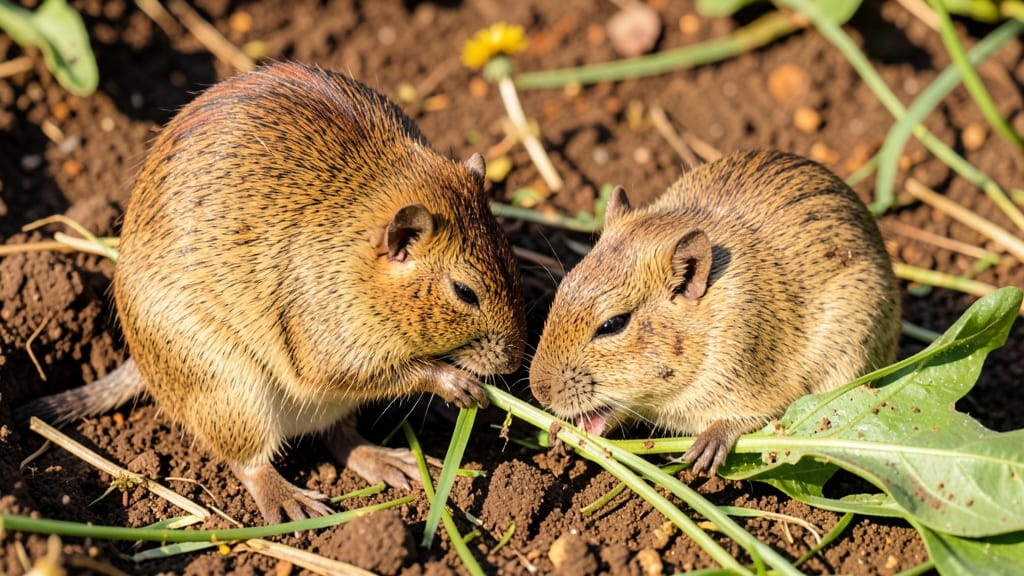
Gophers do eat grass as their main food source, but they also munch on roots, tubers, and stems. These burrowing rodents prefer fresh, tender plants and can wreak havoc on lawns and garden beds.
Gophers snack on grass because it's moisture-rich and easy to digest, but their underground lifestyle means they also dig up roots and bulbs for variety. 🌱 Their feeding habits often go unnoticed until you spot chewed plants or fresh dirt mounds in your yard.
Unlike rabbits that graze above ground, gophers create tunnels while foraging, which can destabilize soil and damage plant roots over time.
What makes them particularly troublesome is their preference for tender new growth—your prized vegetables or flowers become their favorite buffet. I've seen them completely strip a garden bed overnight, leaving behind jagged stumps where plants once stood.
The key to protecting your plants is acting early, before they establish extensive tunnel networks.
💡 In This Article
- Gopher Diet Breakdown: Grass vs Other Plant Foods
- Protecting Your Garden from Gopher Feeding Damage
Gopher diet breakdown: grass vs other plant foods
Gophers prioritize grass in their diet because it's an efficient source of hydration and nutrients. The high moisture content in fresh grass—often around 80-90% water—means they can meet their fluid needs without needing to drink.
This is especially important since gophers rarely surface, losing precious moisture through their burrowing activities. The cellulose in grass breaks down relatively easily in their digestive systems, which are adapted to process fibrous plant material through fermentation in their enlarged cecum—a pouch where beneficial bacteria break down tough plant fibers.
The nutrient breakdown of gopher favorites reveals why they target specific plants. Grass provides about 10-15% protein and 25-35% fiber, while roots like carrots or potatoes offer 1-2% protein but 75-85% starch. Bark and twigs, though less preferred, contribute cellulose and lignin for roughage.
What's fascinating is how gophers balance these foods: they'll consume 30-50% grass in spring when it's lush, but shift to 70% roots and tubers in winter when surface vegetation is scarce.
Their teeth never stop growing, so they constantly gnaw to wear them down—this explains why they chew plants at the base rather than pulling them up.
Here's what their underground lifestyle means for your garden: gophers don't just eat—they engineer. Their feeding tunnels, typically 2-3 inches wide, create pathways for roots to follow, sometimes uprooting entire plants. The damage isn't just from consumption but from the physical disruption.
I've seen gopher tunnels collapse under vegetable beds, leaving plants wilting from root damage even when the foliage appears untouched. Their preference for tender new shoots means your seedlings become prime targets, often disappearing overnight without visible signs of disturbance.
The seasonal shift in their diet explains why you might notice damage at different times. In summer, they'll focus on grass and clover, creating 1-2 inch deep surface holes that resemble molehills but are actually feeding stations.
By fall, they'll switch to digging up bulbs like tulips or dahlias, which provide concentrated energy stores. This is why gardeners often see gopher activity spike in early spring—after a winter of root storage, they emerge hungry to replenish their energy reserves before breeding season.
What most people don't realize is how selective gophers are about plant quality. They avoid woody stems and mature leaves because these contain higher concentrations of defensive compounds like tannins. Instead, they target young, soft growth where nutrients are most concentrated.
This explains why your prized hostas or daylilies might show perfect circular holes—these plants have tender stems that are irresistible to gophers. The key difference between gopher damage and other pests is the clean, precise cuts they make at the base of plants, often leaving no trace above ground.
Understanding this feeding pattern helps explain why traditional repellents often fail. Gophers don't just eat—they're strategic foragers. They'll bypass poisoned bait if they detect the scent from their tunnel network, and they learn quickly which plants to avoid.
This is why physical barriers and habitat modification often work better than chemical solutions in the long run. The most effective gardens I've seen use a combination of deep-rooted plants (like daffodils) that gophers avoid, paired with wire mesh barriers installed before planting season.