
Lawn
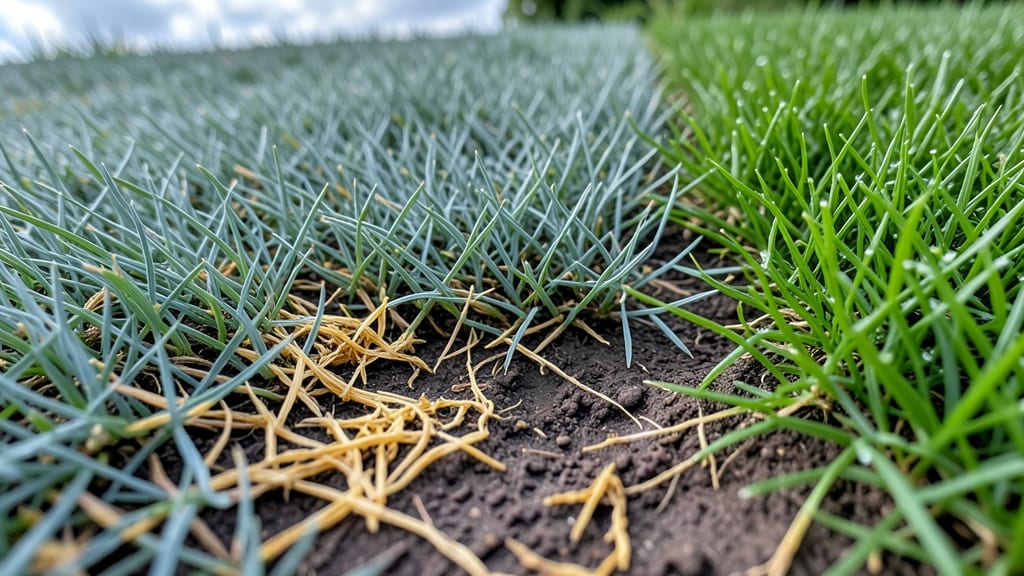
Dog pee lawn damage turns your yard into a science experiment you didn’t sign up for—yellow patches, stinky surprises, and grass that looks like it’s been through a war. 🌱 I’ve seen firsthand how concentrated urine can kill grass in weeks, but there’s a way to reverse the damage without sacrificing your yard or your sanity.
The key isn’t just watering more; it’s understanding why urine burns grass and how to outsmart it.
Here’s the deal: dog urine is basically liquid fertilizer when diluted, but when it hits the ground in high concentration, the ammonia burns grass roots on contact. The yellow patches you see? That’s salt buildup from evaporated urine crystals.
But the good news is, you can neutralize the damage with three simple steps—no fancy tools or chemistry degrees required. We’re talking water, time, and a little strategy.
By the end of this, your lawn will bounce back with greener grass and fewer stinky surprises. You’ll know exactly where to aim (or avoid) pee spots, how to train your dog to use a designated area, and which soil amendments actually work.
No more guessing—just results. Let’s fix this before your yard becomes a pet project gone wrong.
Whether you’ve got a tiny yard or a sprawling lawn, these methods scale easily. The secret? Dilution, distribution, and patience—three words that’ll save your grass (and your nose). Ready to turn those yellow spots into lush patches again?
📚 In This Guide
- What you need
- Instructions
- Tips and common mistakes
- Wrapping up and next steps
What you need
- ● Garden hose (with adjustable nozzle) – For rinsing affected areas thoroughly.
- ● Baking soda (1–2 lbs) – Neutralizes odors and balances soil pH.
- ● White vinegar (1 gallon) – Breaks down uric acid and kills bacteria (use sparingly—it’s acidic!).
- ● Lime or sulfur (5–10 lbs, depending on lawn size) – Restores alkalinity if soil is overly acidic.
- ● Gloves (nitrile or rubber) – Protects hands from vinegar and soil.
- ● Garden sprayer (1–2 gallon capacity) – For even distribution of solutions.
- ● Lawn rake (with flexible tines) – Aerates soil and removes dead patches.
- ○ Soil test kit (optional but helpful) – Checks pH and nutrient levels post-treatment.
- ● Compost or organic fertilizer – Revitalizes nutrient-depleted grass.
- ● Diatomaceous earth (food-grade) – Natural odor absorber for stubborn smells.
- ● Pet-safe grass seed – Repairs bare spots after treatment.
- ● Watering can with fine rose attachment – For spot-treating small areas.
How to repair dog pee damage on your lawn
Here’s the straightforward method I’ve used to restore lawns after years of dog pee—no harsh chemicals, just effective recovery.
🌱 Step 1: Flush the Soil with Water Immediately
When you spot fresh dog pee on the lawn, act fast. Grab your garden hose and give the affected area a thorough soaking for 10-15 seconds. This dilutes the concentrated urine before it burns the grass. I like to use a gentle spray nozzle to avoid displacing soil—just let the water sink in.
Watch for yellow-brown patches forming within hours. These spots indicate where the ammonia in urine has damaged the grass blades. The sooner you flush, the better the chance of preventing permanent damage. If you’re dealing with multiple dogs or heavy use, repeat the watering every 2-3 hours for the first day.
💧 Step 2: Apply a Soil Conditioner to Neutralize pH
After flushing, grab a garden lime or sulfur-based soil conditioner (about ½ cup per 100 square feet) and spread it evenly over the damaged areas. Dog urine is highly acidic, and this helps restore the soil’s natural balance. I use a broadcast spreader for even coverage, but a simple hand-sprinkling works too.
Lightly water the area again to help the conditioner integrate into the soil. You’ll notice the grass may look dull for a day or two—that’s normal. The goal is to counteract the urine’s acidity before it weakens the grass roots. Avoid fertilizing for at least 1-2 weeks after treatment, as fertilizers can burn stressed grass.
✂️ Step 3: Overseed and Protect the Recovery Zone
Once the soil feels stable (usually 3-5 days after flushing), overseed the damaged patches with a shade-tolerant grass seed blend. I like fine fescue or Kentucky bluegrass for their resilience. Sprinkle the seed lightly over the area, then cover with a thin layer of straw mulch (¼ inch deep) to protect it from drying out.
Keep the area moist but not soggy for the next 2-3 weeks—this encourages new grass to establish. You’ll see tiny green shoots appear in about 7-10 days, signaling the lawn is recovering. If your dog continues to use the same spots, consider training them to pee in a designated gravel or mulch area to prevent future damage.
Tips & tricks for restoring dog pee-damaged lawns
These simple tricks will help you tackle dog pee damage before it becomes permanent—and keep your lawn looking its best.
Timing is Everything: In Step 1, those 10-15 seconds of immediate flushing are critical. The longer you wait, the deeper the ammonia damage penetrates. I've seen patches that were saved with quick action but turned brown permanently when ignored for even an hour. Set a reminder on your phone if you have multiple dogs—they can be sneaky about where they go!
Soil Conditioner Tip: When applying the ½ cup per 100 square feet of soil conditioner in Step 2, focus on the yellow-brown patches rather than the entire lawn. This targeted approach saves you money and prevents over-treating healthy grass. I like to sprinkle it lightly with my hands first to visualize coverage before using the spreader.
Overseeding Strategy: In Step 3, choose your shade-tolerant grass seed based on your lawn's sunlight exposure. Fine fescue handles partial shade well, while Kentucky bluegrass prefers full sun. The ¼ inch straw mulch layer is your secret weapon—it keeps moisture in while protecting the delicate new seeds from drying out or bird pecking.
Prevention Hack: If your dog has a favorite pee spot, create a designated gravel or mulch area nearby. Train them to use this spot by leading them there after meals or walks. This gives your lawn's recovery time while keeping the damage contained. I've saved entire lawn sections this way over the years!
Pro Tips for Dog Pee Lawn Damage
- These simple tricks will help you tackle dog pee damage before it becomes permanent—and keep your lawn looking its best.
- Timing is Everything: In Step 1, those 10-15 seconds of immediate flushing are critical. The longer you wait, the dee...
- Soil Conditioner Tip: When applying the ½ cup per 100 square feet of soil conditioner in Step 2, focus on the yellow-...
Frequently asked questions
Why does dog pee burn grass?
Dog urine is high in nitrogen, which can over-fertilize grass in concentrated spots, causing yellow or brown patches. The ammonia in fresh pee also dries out blades quickly. Diluting the urine with water or training your dog to pee in one area helps prevent damage.
How long does it take for dog urine to damage grass?
Damage can appear within 24–48 hours if the urine sits undiluted. However, most lawns recover in 1–2 weeks with proper watering. For high-risk areas, flush the spot immediately with water to reduce concentration.
What’s the best way to neutralize dog pee odor on grass?
Mix 1 part white vinegar with 3 parts water and spray the area after your dog pees. Vinegar neutralizes odors and balances soil pH. For stubborn smells, a baking soda sprinkle followed by watering works too!
Can I train my dog to pee in a specific spot to protect my lawn?
Start by choosing a designated area (like a gravel patch or mulch bed) and reward your dog with treats when they use it. Consistency is key—most dogs adapt in 2–4 weeks. Avoid punishing mistakes; patience wins!
Will my lawn recover from dog pee damage?
Yes! If the damage is minor, water deeply 2–3 times a week to help grass roots recover. For larger brown patches, overseed the area in fall or spring. Over time, your lawn will bounce back—just stay proactive with urine dilution!
Wrapping up and next steps
Don’t let dog pee ruin your lawn—you’ve got this! 🌱 With the right tools and a little patience, you can restore your grass, neutralize odors, and keep your yard thriving. Start by testing a small patch, then expand your efforts as you see improvement.
Ready to take action? Pick one of the steps from this guide and tackle it today! Whether it’s diluting urine, overseeding, or adjusting your pup’s habits, every small effort makes a big difference. Happy gardening—and may your lawn (and your dog) stay happy and healthy! 🐾