
Lawn
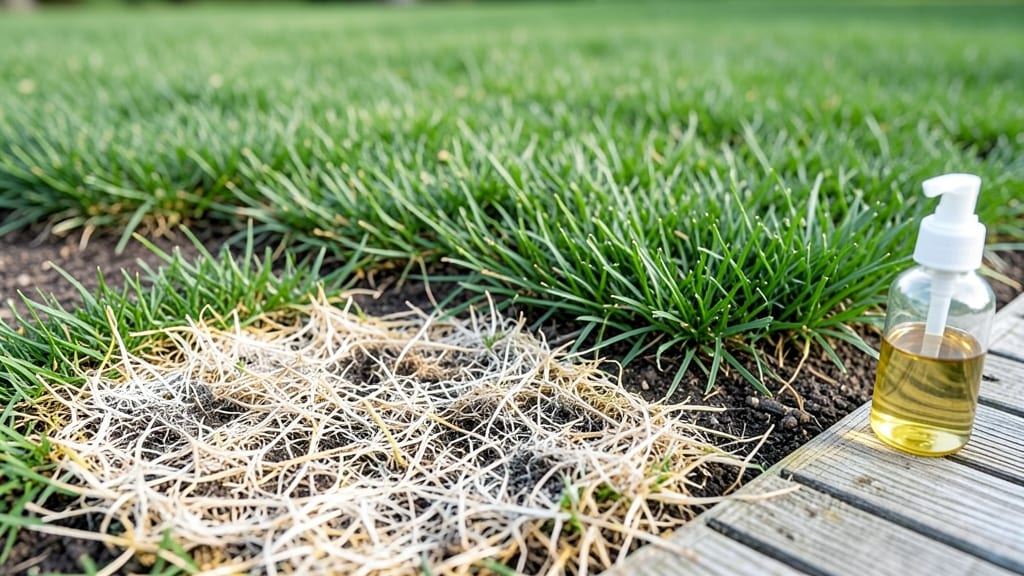
Dog urine burns on lawns aren't just unsightly—they're a silent killer of grass, turning vibrant patches into yellow craters. 🌱 I’ve seen firsthand how a few missed spots can multiply into a patchy mess, especially after walks with my energetic golden retriever.
The good news? You don’t need harsh chemicals or expensive treatments to fix it—just a few targeted steps that work fast and keep your lawn looking lush.
The problem starts with the high nitrogen concentration in dog urine, which acts like a chemical burn when it sits too long on grass blades. Overwatering or letting your dog pee in the same spot repeatedly makes it worse.
But here’s the secret: dilution is your first defense. A quick rinse with water right after your dog goes can prevent most damage, and it’s the simplest fix that actually works.
For existing burns, a nitrogen-rich fertilizer (like a slow-release lawn food) helps grass recover faster by encouraging new growth. Mixing a small amount of baking soda into the affected area also neutralizes the acidity—it’s a natural trick that saves money and keeps your lawn safe for pets and kids.
Within a few weeks, those yellow spots will green up again, and your lawn will look like it never had a problem.
Long-term, the key is smart watering and strategic potty breaks. Train your dog to pee in one corner of the yard and water that area immediately after.
If you’re dealing with a large yard, consider planting clover or fescue grass—they’re more urine-resistant than standard lawns and bounce back faster. It’s all about working with your lawn, not against it.
The Science Behind Lawn Burns
When your dog’s urine leaves behind yellowed, patchy grass, it’s not just an eyesore—it’s a chemical reaction wreaking havoc on your lawn. Understanding why this happens is the first step to fixing it.
Below, we break down the key culprits and the science that turns your green space into a crime scene.
Dog urine is packed with nitrogen—about 4 times more concentrated than human urine. When your pup pees, this nitrogen converts into ammonia, a compound that’s toxic to grass blades. Here’s how it plays out:
- Initial Shock: The high ammonia levels burn grass cells on contact, causing them to wilting and yellowing within hours.
- pH Spike: Ammonia raises the soil’s pH, making it alkaline (pH 7+). Most lawn grasses thrive in acidic to neutral soil (pH 6.0–7.0), so this shift stresses roots.
- Secondary Damage: Over time, excess nitrogen can lead to over-fertilization, causing grass to grow in clumps (a sign of burnt-out roots).
Pro Tip: 💡 Small, frequent pees are worse than one big puddle—dilution is key! Encourage your dog to take short, multiple bathroom breaks instead of holding it.
Beyond nitrogen, dog urine contains urates (salts) and enzymes that further damage your lawn:
| Compound | How It Hurts Your Lawn | Long-Term Effect |
|---|---|---|
| Uric Acid (Salts) | Accumulates in soil, crystallizing and disrupting water absorption. | Grass roots suffocate from poor drainage; soil becomes hard and compacted. |
| Proteolytic Enzymes | Break down organic matter in soil, depleting nutrients faster than grass can replenish them. | Lawn becomes thin and patchy; weeds take over easier. |
Fun Fact: 🌡️ A single dog’s urine can raise soil temperature temporarily, shocking grass roots—another reason why hot spots form in high-traffic areas.
Not all grass can handle dog urine equally. Cool-season grasses (like Kentucky Bluegrass or Fescue) are more sensitive than warm-season grasses (like Bermuda or Zoysia). Here’s why:
- Cool-Season Grasses:
- Thrive in cooler temps (60–75°F) but struggle with alkaline soil.
- Weak roots absorb ammonia faster, leading to brown patches.
- Warm-Season Grasses:
- More tolerant of heat and salt, but still suffer from over-fertilization.
- Recover faster if urine is diluted or neutralized quickly.
Quick Fix: ✨ If you have high-traffic dog zones, consider overseeding with clover—it’s dog-urine resistant and adds nitrogen back to the soil!
Now that you know why your lawn is protesting, the next step is how to reverse the damage—without sacrificing your pup’s potty breaks. Stay tuned for our 3-step neutralization guide!
Quick Fixes for Dog Urine Damage
If your lawn is showing the ugly aftermath of frequent dog urine spots, don’t panic—there are effective ways to neutralize the damage and restore your grass. The key is addressing the issue immediately and using the right methods for your lawn type.
Below are practical solutions tailored to the root causes of dog urine burns, from acidic soil to over-fertilization.
When dog urine creates brown or yellow patches, it’s usually due to high nitrogen levels or soil acidity. Here’s how to revive your lawn:
✨ Dilute the Urine (Immediate Action)
If you catch your dog mid-pee, act fast! Urine is most damaging when fresh. After your dog finishes, immediately:
- 💦 Flush the area with water—use a hose or sprinkler to dilute the urine and wash away excess nitrogen.
- 🌱 Apply a thin layer of topsoil or compost to neutralize acidity and restore nutrients.
🌱 Rebuild the Soil (Long-Term Repair)
For persistent damage, amend the soil to improve resilience:
- 📊 Test your soil pH—ideal lawn pH is 6.0–7.0. If it’s too acidic, add lime.
- 💪 Use a nitrogen-free fertilizer (like a phosphorus-potassium blend) to encourage root growth without burning.
- 🌿 Overseed the damaged area with a fast-growing grass mix (e.g., ryegrass or fescue) for quick recovery.
Dog urine lowers soil pH, making grass vulnerable. Balance it with these steps:
🔪 Use a Natural Neutralizer
Instead of harsh chemicals, try these DIY fixes:
- 🍋 Vinegar + Baking Soda Mix—Combine equal parts white vinegar and baking soda in water, then spray lightly on affected areas. (Test a small patch first!)
- 🥛 Milk or Buttermilk Soak—Soak the area with milk (lactic acid helps neutralize urine). Rinse after 10 minutes.
- 🌿 Wood Ash or Crushed Eggshells—Sprinkle lightly over the spot to raise pH naturally.
🌡️ Adjust Watering Habits
Overwatering dilutes urine but can also wash away nutrients. Instead:
- ⏰ Water deeply but less frequently—encourages deep root growth, making grass more resilient.
- 🌧️ Avoid watering right after your dog pees—let the urine sit for 10–15 minutes first to reduce concentration.
The best defense is a proactive routine. Train your dog and adjust your lawn care to minimize damage:
💡 Train Your Dog to Pee in Safe Zones
Redirect your pup to less damaging spots:
- 🏡 Designate a "potty patch"—Use artificial turf, mulch, or gravel in a corner of your yard.
- 🐕 Teach a "go potty" command—Use treats to reward them for peeing in the right area.
- 🚿 Clean up accidents immediately—Enzymatic cleaners (like Nature’s Miracle) break down urine odors that attract repeat peeing.
🌱 Strengthen Your Lawn’s Resistance
A healthy lawn recovers faster. Boost its defenses with:
- 💪 Regular mowing—Keep grass at 3–4 inches to shade soil and reduce evaporation.
- 🌱 Aerate compacted soil—Improves water and nutrient absorption.
- 🍃 Use a dog-safe fertilizer—Look for low-nitrogen, organic options like compost or bone meal.
If your lawn still shows signs of damage after trying the above:
- 🔄 Try a lawn repair patch—Products like QuickPatch blend with existing grass for seamless recovery.
- 🌿 Plant clover or moss—These are more urine-resistant than grass and add nitrogen naturally.
- 🛡️ Use a urine-neutralizing spray—Commercial products like Urine Off can help in extreme cases.
With the right approach, your lawn can bounce back—even after repeated dog urine damage. Consistency is key, so combine immediate fixes with long-term prevention for the best results! 🌱🐾
Frequently asked questions
Why does my dog's urine turn grass yellow?
The high nitrogen concentration in dog urine creates ammonia, which acts like a chemical burn on grass blades. This causes the chlorophyll to break down, turning patches yellow. The longer urine sits, the worse the damage becomes—especially in hot weather.
How can I prevent dog urine damage before it happens?
Train your dog to pee in one designated area (like a gravel patch) and immediately flush the spot with water. Use enzymatic cleaners to remove odors that might encourage repeat peeing. For high-risk areas, consider planting clover or moss, which are more urine-resistant than grass.
Will vinegar really help neutralize dog urine on my lawn?
Yes, but use it carefully! Mix equal parts white vinegar and water to dilute the acidity. The vinegar helps neutralize the ammonia, but don't overapply—too much can harm grass. Always test a small patch first and rinse after 10 minutes to prevent over-acidification.
How long does it take for grass to recover from dog urine burns?
With proper care, grass can recover in 2-4 weeks. Start by diluting fresh urine immediately, then apply a nitrogen-free fertilizer to encourage new growth. If the damage is severe, overseeding with fast-growing grass like ryegrass can speed up recovery by 1-2 weeks.
Can I use baking soda to fix dog urine spots?
Sprinkle a small amount of baking soda on affected areas to neutralize acidity. Mix it with water to create a paste for stubborn spots. The sodium bicarbonate helps balance the soil pH, giving grass a better chance to recover. Just avoid overapplying—too much can disrupt soil chemistry.