
Lawn
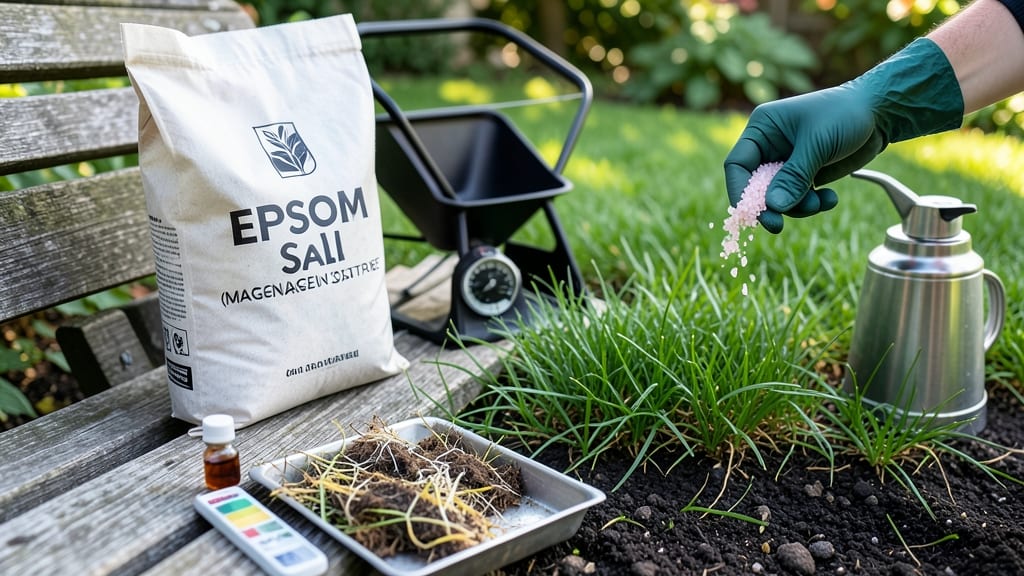
Epsom salt for lawn fungus might be the kitchen cabinet solution you’ve been overlooking. It isn’t a miracle cure, but when used correctly, it’s a fast-acting helper that can stop those ugly brown spots in their tracks—especially for fungal issues like brown patch or dollar spot. I’ve seen it work best when combined with proper watering and mowing habits, but it’s worth trying before reaching for harsh chemicals.
The secret lies in magnesium sulfate’s ability to strengthen grass roots and boost chlorophyll production, which helps your lawn recover faster. Simply sprinkle 1 tablespoon per 10 square feet over damp grass and water it in.
For stubborn patches, mix 1 cup Epsom salt with 1 gallon of water and apply with a sprayer. You’ll notice improvement within 3-5 days if the issue is early-stage fungus.
What you’ll end up with is grass that’s more resilient to fungus and better able to bounce back from stress. The results aren’t instant, but with consistent treatment every 2-4 weeks during peak fungus season, your lawn will look healthier and more uniform.
The key is catching problems early—once the fungus spreads, you’ll need to pair this with proper lawn care practices.
Here’s the thing—this works best as part of a larger strategy. Pair it with proper mowing height (never below 3 inches), regular watering (deep but infrequent), and good air circulation.
And yes, I know that sounds like a lot, but trust me, your lawn will thank you. It’s the difference between a patchy mess and that envy-inducing green carpet neighbors admire.
The Hidden Triggers Behind Lawn Fungus
Fungal lawn diseases don’t just appear out of nowhere—they thrive when specific conditions align like a perfect storm. Understanding these triggers is the first step to prevention and treatment.
Below, we break down the key causes of lawn fungus, from environmental factors to grass health, so you can tackle the root of the problem.
---
💧 The damp, dark conditions fungi love
Fungi need moisture to grow, and overwatering creates the ideal breeding ground. When soil stays soggy for extended periods—especially after heavy rain or excessive irrigation—fungal spores wake up and spread.
Poor drainage exacerbates the issue by trapping water at the grass roots, where fungi like dollar spot or brown patch flourish.
Why it happens: - Grass roots suffocate in waterlogged soil, weakening defenses. - Thatch buildup (a layer of organic debris) holds moisture against the soil, creating a fungal-friendly microclimate. - Frequent light watering (daily sprinkling) keeps the lawn damp longer than deep, infrequent watering.
Actionable fix: Water deeply 2–3 times per week (early morning) and ensure your lawn has proper slope and drainage. Aerate compacted soil to improve airflow.
---
🌱 When grass can’t breathe
Fungi love dense, suffocating conditions. Compacted soil and thick thatch layers restrict airflow and water evaporation, creating a warm, moist environment where fungal spores multiply.
Common culprits include: - Heavy foot traffic (playing sports, walking frequently). - Clay-heavy soil that doesn’t drain well. - Excessive organic debris (clippings, leaves) left unremoved.
Why it happens: - Lack of oxygen weakens grass roots, making them vulnerable to infection. - Thatch > ½ inch thick traps moisture and blocks fungicides from reaching the soil. - Poor soil structure prevents nutrients and water from penetrating deeply.
Actionable fix: Aerate your lawn in spring/fall and dethatch if the layer exceeds ½ inch. Top-dress with compost to improve soil structure.
---
🌿 Starving grass invites fungus
Fungal diseases often target stressed or malnourished grass. When lawns lack essential nutrients—especially potassium, nitrogen, or magnesium—they become weak and susceptible to infection.
Common imbalances include: - Too much nitrogen (promotes rapid top growth but weakens roots). - Low potassium (reduces disease resistance). - Magnesium deficiency (common in clay soils, leading to yellow patches).
Why it happens: - Improper fertilization (e.g., overusing quick-release nitrogen). - Soil pH imbalances (fungi thrive in slightly acidic to neutral pH, 6.0–7.0). - Poor soil testing (many homeowners guess instead of testing nutrient levels).
Actionable fix: Test your soil (DIY kits or lab tests) and adjust with balanced fertilizers. Epsom salt (magnesium sulfate) can help if deficiency is confirmed—but only as part of a broader soil health plan.
--- 🌡️ Fungi’s favorite climate
Most lawn fungi peak in summer and early fall when temperatures hover between 75–85°F and humidity stays high. Warmth speeds up fungal growth, while dew or morning moisture provides the hydration they need.
Examples: - Brown patch thrives in hot, humid nights (common in Southern states). - Powdery mildew spreads rapidly in shady, damp areas.
Why it happens: - Slow evaporation in humid climates keeps lawns moist longer. - Fungal spores release zoospores (swimming spores) in wet conditions, infecting grass blades. - Afternoon watering (when temps are high) encourages fungal activity overnight.
Actionable fix: Water in the early morning (before 10 AM) to allow foliage to dry by evening. Mow higher in summer (3–4 inches) to reduce stress.
--- 🌬️ Stagnant air = fungal paradise
Tightly mowed grass or dense turfgrass varieties (like Bermuda or Zoysia) trap moisture and limit airflow, creating ideal fungal conditions. Shady areas or thick thatch worsen the problem by blocking sunlight and airflow.
Why it happens: - Short mowing height (below 2 inches) stresses grass and opens it to infection. - Monoculture lawns (single grass type) lack diversity to resist disease. - Overcrowded grass competes for nutrients, weakening defenses.
Actionable fix: Mow high (3–4 inches) and thin out dense patches with overseeding. Consider fungus-resistant grass varieties (e.g., tall fescue, Kentucky bluegrass blends).
--- 🔄 How fungus hitches a ride
Fungal spores can hitchhike on mower blades, rakes, or shoes, spreading disease from one patch to another. Even compost or mulch from infected plants can reintroduce spores to your lawn.
Why it happens: - Reusing tools on infected and healthy grass without cleaning. - Moving soil/compost from diseased areas to new spots. - Animal waste (dog urine, bird droppings) can introduce fungal spores.
Actionable fix: Disinfect tools with a 10% bleach solution between uses. Avoid moving soil from infected areas, and remove debris promptly.
--- Fungal lawn diseases don’t appear randomly—they’re the result of environmental stress, poor maintenance, or weak grass. By addressing moisture, nutrition, airflow, and soil health, you can starve out fungi before they take hold.
And yes, Epsom salt (magnesium sulfate) can play a role in boosting grass resilience—but it’s just one tool in your fungal-fighting arsenal.
Pro tip: 💡 The best defense is a healthy offense—test your soil, adjust care practices, and act fast at the first sign of fungus!
Fixing Fungal Lawn Issues Naturally
Fungal infections in your lawn can feel like a losing battle—until you know the right moves. Epsom salt isn’t just a spa remedy; it’s a powerhouse for treating and preventing fungal growth when used correctly.
Below, we break down targeted solutions for common lawn fungus types, along with preventive steps to keep your grass thriving. Let’s tackle this step by step!
---
Cause: Warm, humid weather + thick thatch layers = perfect breeding ground for Rhizoctonia solani. Fix: 1. Apply Epsom Salt Directly 🌱 - Mix 1 tablespoon of Epsom salt per gallon of water and spray evenly over affected areas (avoid oversaturating). - Frequency: Repeat every 7–10 days until the brown patches fade (usually 2–4 weeks). - Pro Tip: Water lightly before applying to help absorption.
2. Thatch Control 🔪 - Use a lawn rake to break up thatch (aim for ½-inch thickness max). - Prevention: Aerate your lawn twice a year to improve airflow.
3. Adjust Watering Habits 💧 - Water early morning (before 10 AM) to reduce humidity. - Avoid overwatering—soil should dry 4–6 inches deep between waterings.
---
Cause: Cool, damp conditions + compacted soil = Sclerotinia homoeocarpa thrives. Fix: 1. Epsom Salt + Baking Soda Boost 🧂 - Combine 1 tbsp Epsom salt + 1 tbsp baking soda per gallon of water. - Spray directly on spots and let dry in sunlight (UV light helps kill fungus). - Frequency: Apply weekly until spots disappear (typically 3–5 weeks).
2. Improve Drainage 🚿 - Test soil moisture—if it stays soggy for >48 hours, install a French drain or add sand topdressing.
3. Mow Higher ✂️ - Set your mower to 3–4 inches to shade soil and reduce stress on grass.
---
Cause: Shady, high-nitrogen lawns + poor airflow = Erysiphe graminis spreads. Fix: 1. Epsom Salt + Neem Oil Spray 🌿 - Mix 1 tbsp Epsom salt + 1 tsp neem oil per gallon of water. - Spray until leaves glisten (focus on undersides of blades). - Frequency: Apply every 5–7 days until mildew clears.
2. Prune Overhanging Branches 🌳 - Trim trees/shrubs to let sunlight reach 6+ hours daily.
3. Reduce Nitrogen 🚫💥 - Switch to a balanced fertilizer (10-10-10) to avoid feeding fungus.
---
Even after treatment, proactive care is key. Try these easy habits: - 💡 Test Soil pH (ideal: 6.0–7.0).
Adjust with lime (to raise) or sulfur (to lower) if needed. - ✨ Use Organic Mulch (straw or wood chips) to block spores from splashing up. - 🌡️ Mow Regularly (never remove >⅓ of blade height at once). - 🎯 Avoid Walking on Wet Grass (compresses soil, traps moisture).
--- Final Note: Epsom salt works best as a preventive measure and early-stage treatment. For severe infections, combine it with fungicidal soaps or beneficial microbes (like Trichoderma fungus). With consistency, your lawn will bounce back greener than ever! 🌿💚
Frequently asked questions
Will Epsom salt alone eliminate lawn fungus?
Epsom salt helps strengthen grass roots and boost chlorophyll production, making your lawn more resistant to fungus—but it’s not a standalone cure. For best results, combine it with proper watering (early morning), aeration, and reducing thatch. Think of it as a supportive treatment, not a miracle fix.
How often should I apply Epsom salt for lawn fungus?
For treatment, apply every 7–10 days until you see improvement (usually 3–5 weeks). For prevention, use it 2–3 times per year during peak fungus season (spring/fall). Overuse can raise soil magnesium levels too high, so follow the 1 tbsp per 10 sq ft guideline.
Can I use Epsom salt if my lawn has a magnesium deficiency?
Yes! Epsom salt (magnesium sulfate) is ideal for yellowing grass caused by magnesium deficiency. Test your soil first—if levels are low, apply 1 tbsp per 10 sq ft every 4–6 weeks during growing season. Just avoid overdoing it, as excess magnesium can disrupt other nutrient balances.
What’s the best time of day to apply Epsom salt?
Apply in the early morning so the salt has time to absorb before evening dew forms. This prevents moisture buildup, which fungi love. Avoid applying in direct sunlight (it can burn grass) or before heavy rain—water it in lightly after application to help penetration.
Will Epsom salt work on established fungal spots like brown patch?
For early-stage fungus, Epsom salt can help—but severe cases (like brown patch) may need stronger action. Combine it with baking soda (1 tbsp per gallon of water) or neem oil for better results. If spots persist after 4 weeks, consider a fungicide or professional treatment.