
Watering
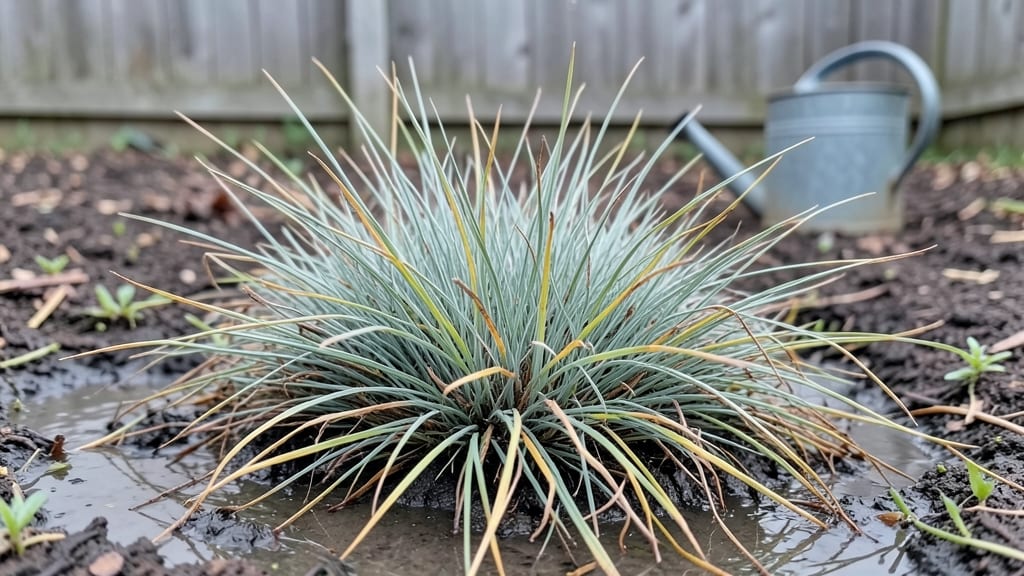
When your fescue grass turns yellow and spongy, overwatering is usually the culprit—and the good news is, it’s fixable. ✨ I’ve seen lawns bounce back from this exact problem by adjusting watering habits and giving roots room to breathe.
The key is acting fast before mold or root rot sets in.
Most people water too often, thinking grass needs daily drinks. Instead, check soil moisture with your finger: if the top inch feels damp, hold off. Fescue thrives with 1–1.5 inches of water per week, including rain.
If your lawn feels squishy, it’s getting too much. Drainage issues make this worse, so test by digging a small hole—if water pools after 6 hours, you’ve got work to do.
Start by reducing watering immediately and aerating compacted soil to help roots recover. Within 2–3 weeks, you’ll see firmer grass and fewer yellow patches. The real win?
Preventing future soggy spots by mowing higher (3–4 inches) to shade soil and improve water retention. Your lawn will thank you with a lush, resilient look.
This works for both backyard lawns and small patches—no special tools needed. Just time and a little patience. Let’s get your fescue back to its best in no time.
Root Causes Of Soggy Fescue
Overwatering fescue grass isn’t just about pouring too much H₂O—it’s a mix of environmental, soil, and human factors working together. Understanding these causes helps you adjust your watering strategy before the damage sets in. Let’s dig into the science behind why your fescue might be drowning in its own moisture.
###
🌧️ Poor Drainage Systems (Or None at All)
Fescue grass thrives in well-drained soil, but if your lawn sits on clay-heavy or compacted soil, water pools instead of percolating. Here’s why:
- Clay soil acts like a sponge that won’t release water, suffocating roots. Test your soil’s drainage by digging a 6-inch hole—if water fills it in under 2 hours, you’ve got poor drainage. 📊
- Compaction (from foot traffic, heavy equipment, or construction) crushes soil pores, trapping water at the surface. Aerating your lawn can loosen it up.
- Flat or low-lying areas naturally collect runoff, turning your yard into a swamp. Slope adjustments or French drains can redirect excess water.
Actionable fix: Amend clay soil with compost or sand (50/50 mix) and aerate annually to improve porosity. For slopes, consider soil amendments like gypsum to break up compaction.
###
💧 Overzealous Watering Schedules
Fescue grass only needs 1–1.5 inches of water per week (including rainfall), but many homeowners overestimate its needs. Here’s how overwatering sneaks up on you:
- Light, frequent watering (e.g., daily sprinklers for 10 minutes) encourages shallow roots and fungal growth. Fescue roots need 6–12 inches deep to access moisture efficiently. ⏳
- Ignoring weather: Watering on rainy days or assuming your sprinkler “covers” rain leads to soggy patches. Use a rain gauge or smart irrigation controller to track totals.
- Wrong time of day: Watering in the evening (when grass stays wet overnight) promotes disease. Early morning (4–8 AM) is ideal for evaporation.
Actionable fix: Switch to deep, infrequent watering (2–3 times per week) and let the top 2–3 inches of soil dry between sessions. Use a soil moisture sensor to monitor levels.
###
🌱 Thatch Buildup Choking Roots
Thatch—a layer of dead grass, roots, and debris—can act like a waterproof blanket if it exceeds ½ inch thick. Here’s how it traps moisture:
- Thatch blocks water from reaching the soil, causing it to sit on the surface and drown the root zone. 🌪️
- Fescue grass naturally produces more thatch than warm-season grasses, so annual dethatching (or at least every 2 years) is critical.
- Over-fertilizing with high-nitrogen lawn foods accelerates thatch growth, worsening the problem.
Actionable fix: Dethatch in early spring or fall using a rake or vertical mower (set to lift cores). Follow up with core aeration to improve airflow and drainage.
###
🌪️ Irrigation System Malfunctions
Even the best-laid plans go awry when your irrigation system misbehaves. Common culprits include:
- Broken or clogged sprinkler heads: Misaligned or blocked nozzles spray water unevenly, creating soggy spots. 🔧
- Overlapping sprinkler zones: If two zones water the same area, you’re doubling (or tripling) moisture input without realizing it.
- Automatic timers set too long: A 15-minute cycle might seem short, but if your system runs 3x daily, that’s 45 minutes of water—far more than fescue needs.
- Leaky pipes or valves: Hidden underground leaks can saturate soil without you noticing until it’s too late.
Actionable fix: Inspect your system monthly for leaks, adjust sprinkler heads to avoid overlap, and program cycles for early morning only. Consider upgrading to a smart irrigation controller with soil moisture sensors.
Pro tip: 💡 If your lawn feels spongy underfoot or has a musty smell, it’s a red flag for overwatering. Act fast—fescue roots need air as much as water!
Quick Fixes for Soggy Fescue Lawns
Reviving an overwatered fescue lawn starts with diagnosing the root cause and taking targeted action. Below, we’ll map the most common issues to simple, effective fixes—plus pro tips to keep your grass healthy long-term.
💦 Too Much Water: Drainage & Adjustment
Problem: Puddles linger, roots suffocate, and yellow patches spread. Fix:
- 🔥 Stop watering immediately – Let the soil dry out naturally for 24–48 hours.
- 🍳 Improve drainage – Aerate compacted soil with a core aerator (rent one if needed) to help water escape.
- 👨🍳 Rake up standing water – Use a garden rake to break up soggy clumps and redistribute water.
- ⏰ Adjust your schedule – Water deeply 2–3 times per week (early morning) instead of daily light sprinkles.
Prevention Tip: 💡 Test your soil’s drainage by digging a 6-inch hole, filling it with water, and timing how long it takes to drain. If it sits for >6 hours, amend with sand or compost to improve airflow.
🌧️ Poor Soil Compaction: Loosen the Ground
Problem: Heavy foot traffic or clay soil traps moisture, smothering roots. Fix:
- 🔪 Core aeration – Rent a machine or hire a pro to pull 3–4 inch plugs from the lawn (spring/fall is best).
- 🥘 Top-dress with sand/compost – Mix 1 part sand with 1 part compost and spread ¼-inch thick over aerated areas.
- 🌱 Overseed bare spots – Once dry, sprinkle fescue seed and lightly rake in for even coverage.
Prevention Tip: ✨ Walk on a board or path to avoid compacting soil further. Mow high (3–4 inches) to shade roots and reduce evaporation.
🍄 Fungal Issues: Stop the Spread
Problem: Dark, spongy patches or mushrooms signal rot from excess moisture. Fix:
- 🌡️ Reduce humidity – Water only in the morning (avoid evening) to let foliage dry by night.
- 🎯 Fungicide treatment – Apply a copper-based fungicide (like Copper Sulfate) to affected areas.
- 🔄 Remove debris – Clear leaves, thatch, or dead grass where fungi thrive.
- 💪 Boost airflow – Thin out dense grass with sharp mower blades (never dull ones).
Prevention Tip: 💡 Mow at 3–4 inches to prevent fungal spores from spreading. Avoid watering during rain forecasts.
🌿 Root Rot: Save the Roots
Problem: Mushy, black roots or foul smells mean roots are drowning. Fix:
- 🚿 Drain aggressively – Dig French drains (trenches filled with gravel) if water pools in low spots.
- 🌱 Replace severely damaged grass – Dig up rotted sections and replant with drought-resistant fescue varieties (e.g., Creeping Red Fescue).
- 💊 Use a root stimulator – Apply mycorrhizal fungi (like RootBoost) to encourage healthy regrowth.
Prevention Tip: 🔥 Never water before rain—check forecasts and adjust your schedule.
📅 Long-Term Lawn Care Calendar
| Season | Action | Why It Helps |
|---|---|---|
| Spring | Aerate + overseed | Repairs winter damage, improves drainage |
| Summer | Water deeply 2x/week (early AM) | Prevents heat stress and fungal growth |
| Fall | Test soil moisture, adjust mowing | Strengthens roots before winter dormancy |
| Winter | Avoid heavy foot traffic | Protects weakened grass from compaction |
Final Pro Tip: 🌱 Mulch your lawn clippings (if healthy) to return nutrients to the soil—just avoid thick layers that smother grass.
By tackling the specific cause of your fescue’s woes, you’ll see improvement in 1–2 weeks. Stay consistent, and your lawn will bounce back stronger!
Frequently asked questions
How do I know if my fescue grass is truly overwatered?
Check for these red flags: spongy, mushy patches underfoot, yellowing blades that stay soft, or a musty smell from the soil. If water pools for more than 6 hours after rain, your drainage is likely the issue. A simple test is pressing your finger 1–2 inches deep—if it feels damp, cut back on watering.
Can I fix overwatered fescue without aerating?
Yes, but aeration speeds up recovery. Start by stopping watering immediately and letting the soil dry. Rake up standing water and improve airflow by mowing higher (3–4 inches) to shade roots. For stubborn spots, manually dig small holes (2–3 inches deep) to help water drain. Results take 2–3 weeks this way.
Will my fescue recover if I see mushrooms growing?
Mushrooms mean root rot is already active, but you can still save parts of your lawn. Remove the mushrooms and affected grass, then improve drainage with sand or gravel. Apply a copper-based fungicide and overseed bare patches with drought-resistant fescue. Avoid watering until the soil feels dry to the touch.
How often should I water fescue after fixing overwatering?
Once recovered, water deeply 2–3 times per week (early morning) for 1–1.5 inches total. Use a rain gauge or tuna can to measure—fescue roots need 6–12 inches deep to thrive. Check soil moisture before watering: if the top 1–2 inches are dry, it’s time.
Can I use lawn clippings to help recover overwatered fescue?
Yes! Mulch healthy clippings (if free of disease) to return nutrients to the soil. Just avoid thick layers that smother grass. For extra help, mix clippings with compost and spread lightly over aerated areas. This boosts organic matter and improves drainage over time.