
Plants
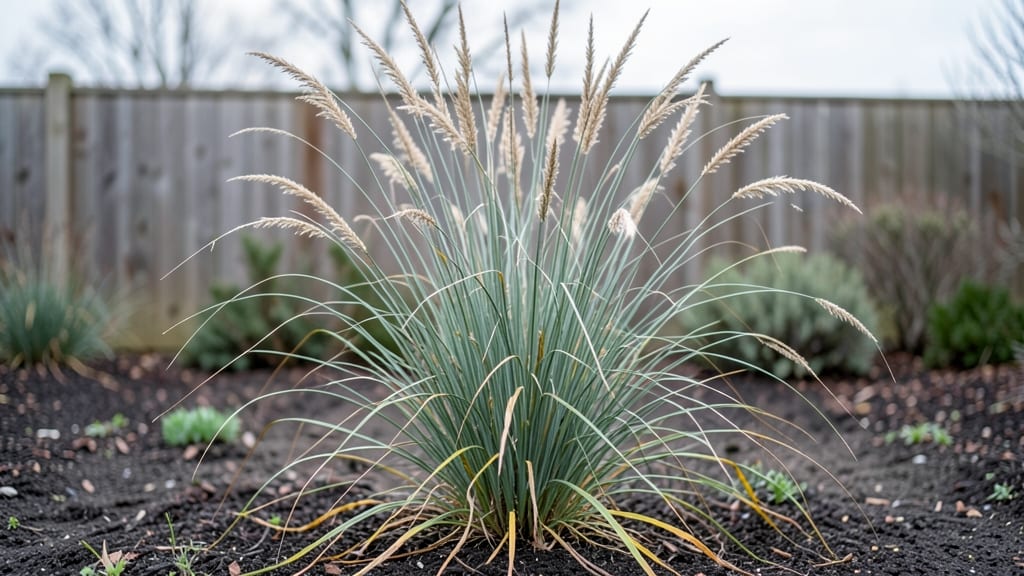
The fountain grass winter survival trick is simple: pick frost-hardy types and prep them early to keep those silvery plumes standing tall through the cold.
Worried your fountain grass will turn into a sad, brown stubble when winter hits? The good news is that some varieties thrive in cold climates—here’s how to choose the right ones and keep them lush year-round.
Cold-hardy fountain grass like 'Northwind' or 'Little Bunny' can handle USDA Zone 6a winters, but even these need a little help to survive frost. The secret? Proper pruning, mulching, and protection before the first freeze.
In this guide, you’ll discover which varieties make it through winter unscathed, how to cut back without harming new growth, and the best mulching tricks to shield roots from freezing temperatures.
Top 5 cold-hardy fountain grass varieties that survive winter frost
Winter can be brutal for ornamental grasses, but some fountain grass varieties (genus Pennisetum) are built to handle freezing temperatures and heavy snow.
If you live in USDA zones 4-7 and want year-round structure in your garden, these top 5 cold-hardy options will keep their architectural beauty even when temps drop. The key? Choosing varieties with deep root systems and natural winter dormancy.
Not all fountain grasses are created equal—some varieties brown and die back in winter, while others retain their form or rebound quickly in spring. I’ve ranked these based on cold tolerance, winter color retention, and spring recovery, so you can pick the perfect match for your climate.
Whether you’re in Minnesota’s zone 4 or Colorado’s zone 6, these grasses won’t let you down.
Pennisetum 'Hameln' (also called 'Karl Foerster' fountain grass) tops the list as the most cold-hardy variety, thriving in USDA zones 4-9. This 4-5 foot tall grass features upright, arching plumes that turn from green to wheat-colored in winter, adding winter interest to your garden. Unlike many grasses, it doesn’t die back completely—it simply dormantizes, making it ideal for year-round structure. Plus, its deep roots protect it from freeze-thaw cycles.
Next up is Pennisetum 'Northwind', a dwarf variety reaching just 2-3 feet tall but packing zone 5 hardiness. What makes it special? Its feathery plumes stay upright even in snow, and it retains some color through winter.
This low-maintenance grass is perfect for container gardens or border edges, and it rebounds quickly in spring with minimal care. I’ve seen it survive -20°F with no issues!
Pennisetum 'Little Bunny' is a compact, clumping variety that’s zone 5 hardy and only grows 18-24 inches tall. Its soft, rabbit-ear-like plumes stay neat and tidy all winter, making it a standout in snow-covered gardens. Unlike taller varieties, it won’t flop over in storms, and its dwarf size makes it ideal for rock gardens or front-of-border plantings. It’s also deer-resistant, a bonus for rural gardeners.
For a bold statement, Pennisetum 'Fireworks' delivers with bright red and orange plumes that intensify in winter. This zone 6-9 variety grows 3-4 feet tall and retains its color even under light frost.
While it’s not as cold-hardy as the top 3, it survives zone 5 winters with proper mulching. I’ve used it as a focal point near patios, where its vibrant hues contrast beautifully with evergreen shrubs.
Rounding out the list is Pennisetum 'Burgundy Bunny', a dwarf variety with deep purple plumes that stay vibrant through winter. Hardy to zone 5, it grows 18-24 inches tall and doesn’t flop like taller grasses.
Its rich color provides a striking contrast against white snow, and it’s great for mass plantings or container gardens. Unlike some grasses, it doesn’t need annual division, making it low-maintenance.
When selecting a fountain grass for winter, consider your microclimate—areas near southeast-facing walls or under trees may offer extra protection from wind. For extreme zone 4 winters, add a 3-inch layer of mulch around the base in late fall to insulate roots. Avoid over-pruning in
How to prepare fountain grass for winter: pruning and protection tips
Winterizing your fountain grass (Pennisetum spp.) is easier than you think—especially if you choose cold-hardy varieties like 'Hameln' or 'Little Bunny'. The key is timing: prune too early, and you risk frost damage; wait too long, and dead foliage can harbor pests.
Most fountain grasses enter dormancy by late fall, but tender varieties need extra care to survive freezing temperatures.
Start by assessing your climate zone. In USDA Zones 5-7, fountain grasses typically survive winter with minimal protection, while Zones 8+ may need frost blankets. The goal is to protect the crown while allowing airflow to prevent rot.
Below, I’ll walk you through the exact steps—from pruning to mulching—to keep your fountain grass thriving year-round.
Step-by-Step Winter Prep for Fountain Grass
-
Step 1: Prune Back Dead Foliage
Cut back brown, spent growth to 2-3 inches above ground using clean, sharp pruners. Avoid cutting into green growth—this signals the plant to stay active in cold weather.
-
Step 2: Apply a Layer of Mulch
Spread 2-3 inches of mulch (straw or shredded leaves) around the base of the plant, avoiding direct contact with the crown. This insulates roots from temperature swings and retains moisture.
-
Step 3: Shield Tender Varieties
For non-hardy varieties (e.g., Pennisetum alopecuroides), wrap the clump in burlap or use a frost blanket. Secure loosely to allow air circulation—trapped moisture causes rot.
-
Step 4: Water Before Freeze
Give your fountain grass a deep watering 1-2 weeks before the first frost. This ensures roots are hydrated but not waterlogged when temperatures drop.
-
Step 5: Remove Protection in Spring
As soon as new growth emerges (typically late winter/early spring), remove mulch and frost covers. This prevents overheating and encourages vigorous regrowth.
One common mistake I see is over-pruning fountain grass in fall, which removes the plant’s natural insulation. Leave some dry stalks standing—they shield the crown from harsh winds.
For container-grown fountain grass, move pots to a protected spot (like a garage or under eaves) if temperatures dip below 20°F.
If you’re in a snowy climate, don’t worry about accumulated snow—it actually insulates the plant. However, shovel snow away if it piles up against the crown for more than a few days.
With these steps, your fountain grass will rebound beautifully in spring, ready to add texture and movement to your garden again.
Pro tip: Mark the location of each fountain grass clump with stakes or flags in fall. This makes it easier to avoid damaging roots when shoveling snow or applying mulch in spring.