
Diseases
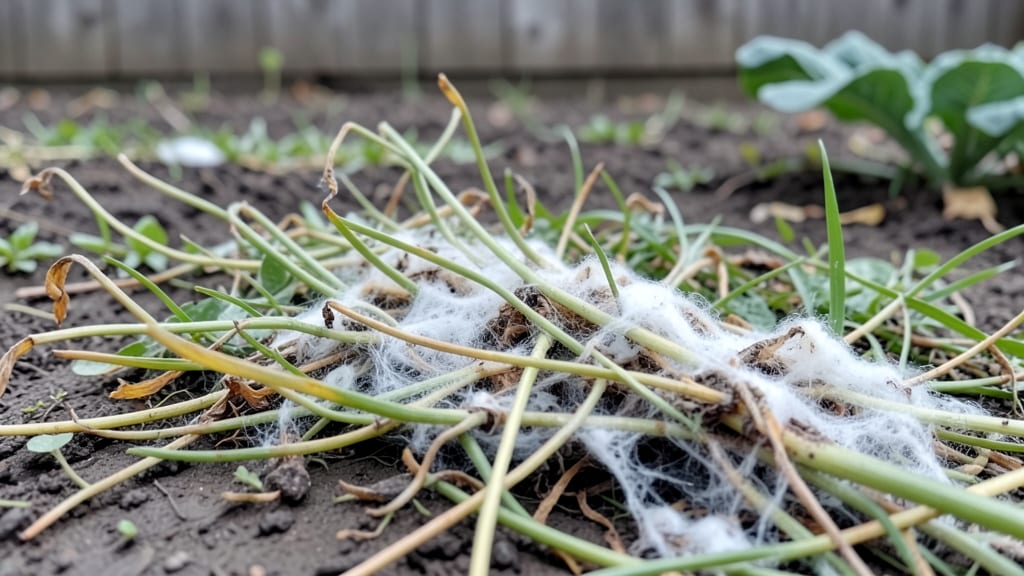
Your lawn’s brown patches aren’t just thirsty—they’re drowning in fungus from overwatering. 🌱 I’ve seen this exact problem turn vibrant green grass into a sad, spongy mess, and the fix starts with cutting back on water. The key is stopping the cycle of excess moisture that fuels fungal growth.
Fungus thrives when grass sits in damp soil for days, blocking airflow and inviting mold. Most people water too often—morning is best, but only when the top inch of soil feels dry.
A simple rain gauge or tuna-can test (bury it in the yard) tells you exactly when to hold off.
Within a week of adjusting watering, you’ll see patches firming up and regaining color. For stubborn spots, aerate the soil to improve drainage and sprinkle a thin layer of compost to crowd out fungus naturally. The goal? Grass that stays lush without becoming a fungal buffet.
This works for cool-season grasses like Kentucky bluegrass and fescue, but warm-season types (like Bermuda) need slightly different timing. The principle stays the same: less water, more airflow, and a quick turnaround to a healthier lawn.
Why it happens
When your grass looks like it’s been hit by a mysterious blight—patches of discoloration, slimy textures, or that off smell—fungus is often the culprit. But why does it thrive when you’re just trying to keep your lawn lush and green?
Overwatering isn’t the only factor, but it’s a major accelerator for fungal growth. Let’s break down the science behind why fungus loves damp, overwatered grass and how these conditions create the perfect storm for disease.
🌱 Poor Air Circulation in Compacted Soil
Grass needs room to breathe, just like we do! When soil stays soggy for too long, it compacts, reducing oxygen flow to the roots. Fungi, like Rhizoctonia or Dollar Spot, thrive in low-oxygen environments because they’re aerobic opportunists—they outcompete healthy grass roots for nutrients when air pockets shrink.
Overwatering exacerbates this by keeping the soil perpetually saturated, creating a anaerobic (oxygen-poor) zone where fungal spores germinate like wildfire.
- Actionable fix: Aerate your lawn in spring or fall to loosen soil and improve drainage. A core aerator pulls out small soil plugs, creating channels for air, water, and roots.
- Pro tip: 💡 If your soil feels like wet clay when squeezed, it’s a red flag. Test your drainage by pouring 1 inch of water on a patch—if it pools for >48 hours, you’ve got a compaction issue.
💦 Excess Moisture on Grass Blades
Fungal spores need three things to spread: warmth (60–85°F), organic debris (like clippings or thatch), and constant moisture. Overwatering doesn’t just wet the soil—it keeps grass blades damp for hours, creating a film of water that spores hitchhike across.
Diseases like Brown Patch or Gray Leaf Spot spread rapidly when dew or sprinklers linger on leaves, turning your lawn into a fungal buffet.
| Watering Mistake | Fungal Risk |
|---|---|
| Light, frequent watering (e.g., daily sprinklers) | Encourages shallow roots + keeps blades wet → Dollar Spot |
| Watering at night | Dew + overnight moisture = fungal spores’ party time → Rhizoctonia |
| Using sprinklers that create mist (not deep soaking) | Creates a fine water layer on leaves → Gray Leaf Spot |
🌡️ The Perfect Humidity-Fungus Temperature
Fungi aren’t picky—they’ll grow in a fridge if it’s damp enough. But they love the 70–80°F range with high humidity (think: summer mornings or humid climates). Overwatering in these conditions is like leaving a slice of pizza out overnight—it’s an invitation.
The extra moisture raises soil and air humidity, creating a microclimate where fungal hyphae (thread-like roots) spread unchecked. Even "dry" fungi like Powdery Mildew (yes, it’s a fungus!) can take hold if grass blades stay damp long enough.
- Actionable fix: Water deeply but infrequently—aim for 1–1.5 inches per week (including rain). Use a rain gauge or tuna can to measure!
- Pro tip: 🌡️ Mornings are ideal for watering (before 10 AM) because grass blades dry faster in sunlight. Night watering? A fungal magnet.
🍄 Built-Up Thatch as a Fungal Hideout
Thatch—the layer of dead grass, roots, and debris between soil and green blades—isn’t all bad. But when it’s thicker than ½ inch, it acts like a fungal spa. Overwatering keeps thatch perpetually moist, trapping heat and nutrients that fuel fungal growth.
Pests like chinch bugs (which weaken grass) also love thatchy layers, creating entry points for diseases like Fairy Ring (a circular fungal growth that leaves dark, mushroom-ringed patches).
- Actionable fix: Dethatch in early spring or fall with a rake or vertical mower. For thick thatch (>¾ inch), consider topdressing with compost to break it down naturally.
- Pro tip: ✨ Prevent thatch buildup by sharpening your mower blade (dull blades tear grass, increasing thatch) and avoiding high-nitrogen fertilizers in summer (they promote rapid growth = more debris).
🌿 Nutrient Imbalances from Over-Fertilizing
Too much of a good thing? Overwatering + heavy fertilizer use = a fungal feast. Excess nitrogen (common in fast-release fertilizers) makes grass grow soft and tender, making it easier for fungi to penetrate.
Plus, overwatered soil leaches nutrients, creating hot spots where fungi like Red Thread or Pink Snow Mold (yes, it’s pink!) thrive because they’ve got first dibs on the remaining nutrients.
- Actionable fix: Test your soil (DIY kits are cheap!) and fertilize only when needed. In fungal-prone seasons (spring/fall), switch to a low-nitrogen, high-potassium fertilizer to strengthen grass defenses.
- Pro tip: 🎯 Slow-release fertilizers (like organic options) reduce nutrient spikes that trigger fungal outbreaks.
How to Fix Fungal Lawn Issues
If your grass is suffering from fungus overwatered grass, the good news is that most cases can be reversed with the right approach. The key is identifying the root cause (literally!) and taking targeted action.
Below, we’ve mapped out solutions based on the most common triggers—plus prevention tips to keep your lawn healthy long-term.
🔥 Overwatering: Drainage & Watering Adjustments
If your grass is soggy and fungus-loving pathogens thrive, it’s time to rewrite the watering rules.
💧 Step 1: Stop Watering Until Soil Dries
Let the grass recover before resuming watering. Walk on the lawn—if it springs back slowly (or leaves footprints), it’s still too wet. Wait until the top 2–3 inches of soil feel dry to the touch (use a screwdriver to check).
🌱 Step 2: Improve Drainage Fast
Poor drainage is a fungus magnet. Try these fixes:
- Core aeration: Rent a core aerator (or hire a pro) to pull out small soil plugs, creating channels for water and air. Do this in early fall or spring for best results.
- Sand topdressing: Spread a thin layer (¼ inch) of coarse sand over the lawn, then lightly rake it in. This fills gaps and improves drainage.
- Grading adjustments: If water pools in low spots, use a shovel to redistribute soil or build up the depressed areas slightly.
⏰ Step 3: Reset Your Watering Schedule
Water deeply but infrequently—aim for 1–1.5 inches per week (including rain). Break it into 2–3 sessions:
- Morning (early): ½ inch (6–8 AM)
- Evening (optional): ½ inch (4–6 PM)
Pro tip: 🌡️ Use a rain gauge or tuna can to measure water—your sprinkler might be over- or under-delivering!
💡 Prevention Tip:
Install a soil moisture sensor or smart sprinkler controller to avoid guesswork. Even better? Ditch the timer and water only when the top inch of soil feels dry.
🍄 Fungal Spread: Chemical & Organic Treatments
If you spot patches, discoloration, or moldy growth, act fast to stop the fungus in its tracks.
🧴 Option 1: Fungicides (Quick Fix)
For severe cases, use a broad-spectrum fungicide like:
- Propiconazole (e.g., BioAdvanced Fungus Control)
- Myclobutanil (e.g., Scotts DiseaseEx)
How to apply:
- Choose a dry, calm day (no rain for 24 hours).
- Follow label rates—never overapply.
- Reapply every 2–4 weeks if needed (or as directed).
Pro tip: 🎯 For preventative care, apply fungicide in early spring (before fungus flares) and late summer (when humidity peaks).
🌿 Option 2: Natural Remedies (Eco-Friendly)
If you prefer non-toxic solutions, try:
- Baking soda spray: Mix 1 tbsp baking soda + 1 gallon water + a few drops of dish soap. Spray affected areas (test a small patch first).
- Neem oil: Combine 2 tbsp neem oil + 1 tsp mild soap + 1 gallon water. Spray in the evening (avoids burning grass).
- Hydrogen peroxide (3%): Dilute 1 part peroxide to 16 parts water. Spray lightly on fungus spots (never soak).
Pro tip: ✨ For long-term resistance, boost your lawn’s immunity with compost tea or a beneficial fungus treatment like Trichoderma.
🧹 Step 4: Clean Up Debris
Remove thatch, leaves, and clippings—they trap moisture and fuel fungus. Use a lawn rake or dethatcher to clear buildup, then dispose of debris off-site (don’t compost it!).
🌱 Weak Grass: Strengthen Your Lawn’s Defense
Fungus thrives when grass is stressed, thin, or nutrient-deficient. Fix the underlying issues:
💪 Step 1: Test & Amend Soil
Use a soil test kit (available at garden centers) to check pH and nutrient levels. Most lawns need:
- pH 6.0–7.0 (fungus loves acidic soil—lime can help raise pH).
- Nitrogen (N), phosphorus (P), potassium (K) (use a balanced fertilizer like 10-10-10).
🌾 Step 2: Overseed Bare Spots
Fill thin or dead patches with disease-resistant grass seed (e.g., tall fescue or perennial ryegrass).
How to overseed:
- Rake the area to loosen soil.
- Spread seed evenly (follow package rates).
- Lightly cover with straw (not soil) to protect seeds.
- Keep moist (not soggy) for 2–3 weeks.
Pro tip: 🌱 Fall is the best time to overseed—cool temps and moisture help roots establish.
🪒 Step 3: Sharpen Your Mowing Game
Avoid scalping (cutting too short) or leaving clippings too long—both invite fungus. Follow the 1/3 rule:
- Never remove more than 1/3 of the grass blade in one mowing.
- Keep height at 3–4 inches (taller grass shades out fungus).
- Dull mower blades tear grass, making it vulnerable—sharpen blades annually.
🛡️ Long-Term Prevention Checklist
Stop fungus before it starts with these low-maintenance habits:
- ✅ Water in the morning (avoids overnight moisture).
- ✅ Aerate annually (spring or fall).
- ✅ Mow high (3–4 inches for most grasses).
- ✅ Leave grass clippings (they return nutrients—unless your lawn is diseased).
- ✅ Rake up leaves promptly (they smother grass).
- ✅ Fertil
Frequently asked questions about lawn fungus from overwatering
How quickly can fungus damage my lawn after overwatering?
Fungal spores can start spreading within 24-48 hours of excess moisture, but visible damage like brown patches or slimy textures may take 3-7 days to appear. The key is stopping watering immediately—let the top 2-3 inches of soil dry out before resuming a proper schedule. Early action prevents spores from germinating and taking hold.
Can I still use my lawn after treating fungus from overwatering?
Yes, but wait until the treatment has dried (usually 24-48 hours1-2 weeks to prevent spreading spores. For severe cases, consider using a fungicide labeled for recreational use, then wait 72 hours before walking on it.
What’s the difference between fungus and drought stress in grass?
Fungal damage often appears as irregular patches with slimy textures or white/pink growth, while drought stress causes uniform browning that spreads evenly and feels crispy to the touch. Fungus also smells musty or earthy, whereas drought-stressed grass has no odor. Test by lifting a patch—fungus roots feel mushy, while drought roots are dry and brittle.
Will compost help if my lawn already has fungus?
Compost can help long-term by improving soil health, but avoid spreading it directly on active fungal patches—it can feed the fungus instead. First, remove affected grass, then apply a thin layer (¼ inch) of compost to healthy areas to boost microbial balance. Wait until the fungus is under control before using compost as a soil amendment.
How do I know if my sprinkler system is contributing to fungus?
Check for these red flags: mist-like spray (creates water films on blades), water pooling in low spots, or nighttime watering. Overhead sprinklers that wet leaves for more than 4-6 hours per cycle are fungus magnets. Adjust to deep, infrequent watering (1–1.5 inches per week) and water only in the early morning.