
Lawn
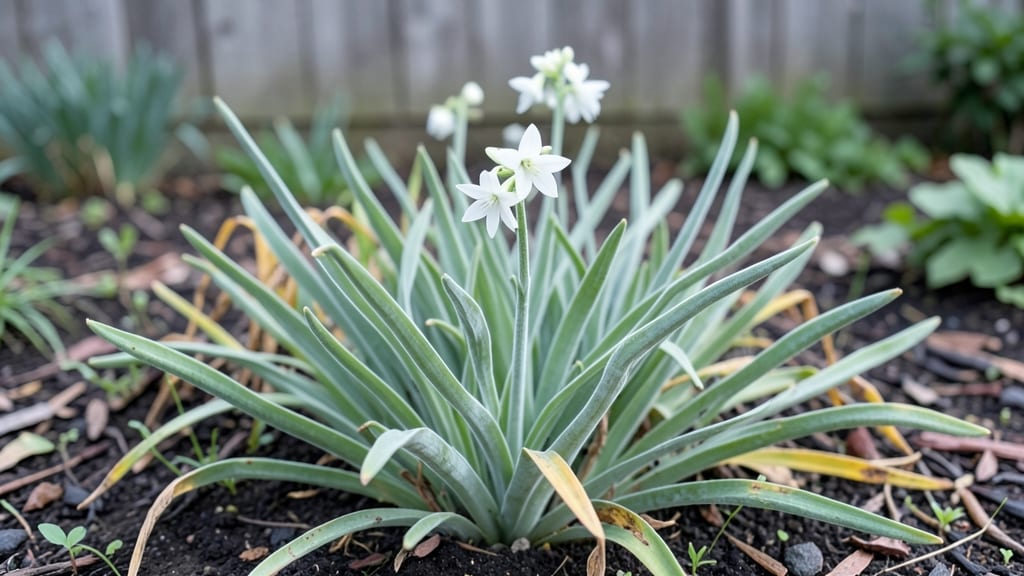
That fuzzy, cottony grass weed creeping through your lawn is more than just an eyesore—it’s a stubborn competitor stealing nutrients and space from your grass. 🌱 I’ve battled this exact problem in my own yard, and the key to winning is recognizing it early (it’s usually NematodDBromus or Digitaria species) before it spreads.
The good news? With the right approach, you can reclaim your lawn in just three focused stages—no harsh chemicals required.
The problem starts when this fuzzy weed spreads through seeds, often hitchhiking on shoes, tools, or even wind. It thrives in thin grass and compacted soil, so if your lawn’s looking patchy, that’s an open invitation.
The fuzzy texture isn’t just for show—it’s a survival trick to deter birds and insects, but it also makes it harder to pull by hand. That’s why I developed a three-step method that tackles it at the root without damaging your grass.
By the end of this process, you’ll have a lawn that’s thick, green, and free of that fuzzy invader—no more pulling stubborn clumps or watching it bounce back.
The secret lies in timing (spring and fall are critical) and smart tools like a dandelion digger or corn gluten meal for prevention. You’ll see results within weeks, and your grass will thank you with a lush, uniform look.
This method works for any lawn type, from sunny backyards to shady patches, and adapts to both organic and targeted chemical solutions if needed. Let’s get started—your lawn’s transformation begins here.
The Hidden Triggers Behind Stubborn Weeds
Fuzzy grass weed—often mistaken for clover or moss—thrives in lawns not by accident but due to specific conditions that create the perfect breeding ground. Understanding these triggers is the first step to reclaiming your yard.
Below, we break down the key factors that turn your lawn into a weed magnet, complete with science-backed explanations and actionable insights.
Overwatering creates a weed paradise 💦
Fuzzy grass weed (often Trifolium repens or Poa annua variants) loves moisture—too much of it, in fact. When lawns receive excessive or inconsistent watering, several problems arise:
- Shallow Root Systems: Frequent light watering prevents grass roots from growing deep, leaving gaps where weeds take hold. Fuzzy grass weed germinates quickly in damp, surface-level soil.
- Fungal Growth: Overwatered lawns develop thatch layers, which trap moisture and create ideal conditions for fungal spores that weaken grass. Weeds like fuzzy grass weed exploit this by outcompeting stressed turf.
- Nutrient Leaching: Overwatering washes away nitrogen and phosphorus, nutrients weeds like fuzzy grass weed absorb more efficiently than grass. This shifts the balance in their favor.
Actionable Fix:
- Water deeply but infrequently (1–1.5 inches per week, including rain).
- Use a soil moisture meter to avoid guesswork.
- Adjust sprinklers to deliver water slowly and evenly (early morning is best to reduce evaporation).
Compacted soil strangles grass roots 🌱💀
Heavy foot traffic, pets, or machinery compress soil, reducing oxygen and making it harder for grass to establish strong roots. Fuzzy grass weed thrives in these conditions because:
- Reduced Competition: Compacted soil stunts grass growth, leaving bare spots where weeds germinate unchecked.
- Poor Drainage: Compacted layers trap water, creating the moist, shaded microclimates fuzzy grass weed craves.
- Seedbed Perfection: The firm, disturbed surface provides an ideal seedbed for fuzzy grass weed to sprout and spread via stolons (horizontal stems).
Actionable Fix:
- Aerate your lawn in spring or fall using a core aerator (rent or buy one).
- Top-dress with compost or sand to improve soil structure.
- Avoid walking on wet grass to prevent further compaction.
Poor soil pH favors weeds over grass 🧪🔄
Grass prefers a pH of 6.0–7.0, while fuzzy grass weed often thrives in slightly acidic (5.5–6.5) or alkaline (7.5+) conditions. Here’s how pH shifts create weed havoc:
- Acidic Soil (Low pH): Increases aluminum and manganese toxicity, weakening grass while fuzzy grass weed tolerates these conditions.
- Alkaline Soil (High pH): Locks out essential nutrients like iron and phosphorus, which grass needs but weeds like fuzzy grass weed can survive without.
- Lime or Sulfur Imbalance: Overcorrecting pH with lime (raises pH) or sulfur (lowers pH) can create patches where only weeds grow.
Actionable Fix:
- Test your soil with a DIY kit (available at garden centers) or send a sample to a local extension office.
- Adjust pH gradually with:
- Pelletized sulfur (to lower pH).
- Dolomitic lime (to raise pH).
- Apply organic matter (compost, peat moss) to buffer pH naturally.
Thin or dormant grass opens the door 🚪🌿
Fuzzy grass weed spreads aggressively in lawns with bare patches, thin turf, or dormant grass. The reasons are simple:
- Sunlight Access: Weeds need light to germinate. Thin grass = more sunlight reaching the soil.
- Nutrient Competition: Dormant grass (common in summer heat or winter) stops absorbing nitrogen, leaving it for weeds.
- Seed Spread: Fuzzy grass weed spreads via stolons (runners) or wind-borne seeds. A lawn with gaps becomes a highway for invasion.
Actionable Fix:
- Overseed in early fall or spring to fill bare spots.
- Fertilize properly (use a slow-release, high-nitrogen formula in early growing seasons).
- Mow high (3–4 inches) to shade out weeds and strengthen grass.
Improper fertilization feeds the wrong plants 🌾🚫
Using the wrong fertilizer—or applying it incorrectly—can turn your lawn into a fuzzy grass weed buffet. Here’s how:
- High Nitrogen, Low Phosphorus: Grass needs phosphorus to develop roots, but fuzzy grass weed can thrive with minimal phosphorus. Overdoing nitrogen without balancing other nutrients weakens grass.
- Weed-and-Feed Misuse: Some "weed-and-feed" products kill broadleaf weeds but leave fuzzy grass weed (a grassy weed) untouched.
- Over-Fertilizing: Excess fertilizer burns grass, creating dead zones where weeds move in.
Actionable Fix:
- Use a balanced fertilizer (e.g., 16-4-8 or 20-5-10 ratio).
- Avoid weed-and-feed if fuzzy grass weed is present—opt for selective herbicides (like those containing mesotrione or 2,4-D alternatives).
- Follow label rates—more isn’t better!
Shade and poor airflow encourage weed growth 🌳🌪️
Fuzzy grass weed often invades lawns under:
- Trees or Structures: Shade reduces grass growth, while the damp, cool conditions suit fuzzy grass weed.
- Thatch Buildup: A thick thatch layer (½ inch or more) blocks air, water, and nutrients from reaching grass roots, creating a weed-friendly zone.
Actionable Fix:
- Thin trees or prune branches to allow 4–6 hours of sunlight daily.
- Dethatch in early fall if the layer exceeds ½ inch.
- Choose shade-tolerant grass (like fine fescue) if full sun isn’t an option.
Key Takeaway
Fuzzy grass weed doesn’t invade randomly—it exploits weaknesses in your lawn’s ecosystem. By addressing watering habits, soil health, grass density, and fertilization, you remove the conditions that make your yard a weed magnet. The next step? Targeted removal (coming up in the next section!).
How to solve it
Fuzzy grass weeds—those soft, fuzzy, or downy-looking intruders—can turn your once-pristine lawn into a patchwork of frustration. But don’t reach for the strongest herbicide just yet! The right approach depends on why they’re taking over.
Below, we’ve mapped out targeted fixes for the most common causes, plus proactive steps to keep your lawn lush and weed-free.
###
🌱 Cause 1: Poor Soil Health
If your soil is compacted, nutrient-deficient, or overly acidic, fuzzy weeds like Poa annua (annual bluegrass) or Digitaria sanguinalis (crabgrass) thrive while your grass struggles. Fix it with:
- 🔥 Test Your Soil – Use a DIY kit or send a sample to a local extension office. Aim for a pH of 6.0–7.0 for most grasses.
- 👨🍳 Amend the Soil – Mix in 1–2 inches of compost or a slow-release organic fertilizer (like 10-10-10) in early spring or fall. For clay soil, add sand or perlite to improve drainage.
- 🌡️ Overseed Strategically – Once soil is prepped, spread high-quality grass seed (e.g., tall fescue or Kentucky bluegrass) and water lightly daily for 2–3 weeks to crowd out weeds.
💡 Pro Tip: Aerate compacted soil in late summer or early fall to let air, water, and nutrients penetrate deeper. Rent a core aerator or hire a pro for large lawns.
###
💦 Cause 2: Overwatering or Irregular Watering
Fuzzy weeds like Cyperus rotundus (nutgrass) or Echinochloa crus-galli (barnyardgrass) love moisture—especially if your lawn gets hit-or-miss watering. Reset the balance with:
- ⏰ Adjust Your Schedule – Water deeply 2–3 times per week (early morning is best) for 15–20 minutes per session. Avoid daily light sprinkles, which encourage shallow roots and weed growth.
- 🔪 Fix Irrigation Issues – Check sprinkler heads for uneven coverage. Use a watering index to adjust zones. For clay soil, consider soaker hoses for targeted hydration.
- 🌱 Improve Drainage – If puddles linger, slope the area away from your home or install French drains. For low spots, top-dress with a 50/50 mix of sand and compost.
✨ Prevention Hack: Install a rain sensor on your sprinkler system to skip watering after heavy rain—many weeds sprout from over-saturated soil!
###
🌿 Cause 3: Lawn Neglect or Thin Grass
When grass is sparse (due to drought, disease, or mowing too short), fuzzy weeds like Dactyloctenium aegyptium (coastal bermudagrass) or Paspalum distichum (knotgrass) move in. Thicken your turf with:
- 🍳 Mow High and Often – Set your mower to 3–4 inches (higher for drought-prone areas). Never remove more than ⅓ of the blade at once.
- 🌱 Fertilize in Stages – Apply a slow-release nitrogen fertilizer in early spring and fall. Avoid fast-acting granules, which can burn grass and leave gaps for weeds.
- 🔄 Rescue Bare Spots – Fill thin areas with liquid lawn starter or hydroseed. For large patches, use a slit seeder for better seed-to-soil contact.
🎯 Long-Term Strategy: Test for grub damage or fungal issues (like brown patch) if your grass looks stressed. Treat the root cause before reseeding.
###
🛡️ Cause 4: Weed Seed Spread
Fuzzy weeds often hitchhike on wind, animals, or even your shoes. Stop their spread with:
- 🧹 Clean Tools and Shoes – Rinse mower blades, rakes, and boots with soapy water after use to remove stuck seeds.
- 🌪️ Block Windborne Seeds – Trim nearby trees/shrubs to reduce debris buildup. Use a weed barrier fabric under mulch in garden beds.
- 🔥 Pre-Emergent Herbicide (Timing Is Key!) – Apply a corn gluten meal or synthetic pre-emergent (like prodiamine) in early spring before weed seeds germinate. Reapply after heavy rain.
💡 Organic Swap: Spread wood ash lightly over seed beds—it disrupts germination without chemicals.
###
🚫 When to Call in Reinforcements
If fuzzy weeds cover more than 20% of your lawn or return year after year despite your efforts, consider:
- A professional soil test to rule out hidden issues (e.g., thatch buildup, soil toxicity).
- A targeted herbicide like glyphosate (for spot treatment) or mesotrione (for broadleaf weeds). Always follow label instructions and wear protective gear.
- A full lawn renovation, including soil tilling, fresh seed, and mulch, for severely infested areas.
⚠️ Warning: Avoid herbicides with 2,4-D if you have pets or kids—they can contaminate water sources. Opt for EPA-approved pet-safe formulas.
Frequently asked questions about fuzzy grass weeds
What exactly is fuzzy grass weed, and how can I tell it apart from regular grass?
Fuzzy grass weed—like Digitaria or Poa annua—has a distinctive cottony or downy appearance at its base, often with wider blades than your lawn grass. It grows in clumps and spreads aggressively via runners (stolons). Check for these key differences: fuzzy grass weed has softer, broader leaves and often appears lighter green than healthy turf.
Will mowing alone get rid of fuzzy grass weed?
No, mowing only helps if you cut it regularly and high (3–4 inches) to weaken it over time. Fuzzy grass weed spreads via seeds and stolons, so mowing alone won’t eliminate it—you’ll need to combine it with soil amendments, overseeding, or targeted treatments for long-term control.
Are there natural ways to kill fuzzy grass weed without chemicals?
Yes! Try these organic methods: Boiling water (pour directly on weeds), vinegar spray (1 gallon vinegar + 1 oz dish soap), or corn gluten meal (applied in early spring to prevent seeds from germinating). For stubborn patches, hand-pull after rain when soil is soft, then reseed with thick grass to crowd it out.
Why does fuzzy grass weed keep coming back even after I treat it?
Fuzzy grass weed spreads via windborne seeds and underground runners, so even small patches can regrow. If it keeps returning, check for compacted soil, overwatering, or thin grass—these conditions invite regrowth. Aerate, overseed, and adjust your watering schedule to break its cycle.
Can I use the same herbicide for fuzzy grass weed as I would for dandelions?
No—most broadleaf herbicides (like those for dandelions) won’t kill fuzzy grass weed because it’s a grassy weed. Use a selective herbicide (e.g., mesotrione or quinclorac) labeled for grassy weeds, or opt for glyphosate for spot treatment (follow safety guidelines carefully).