
Lawn
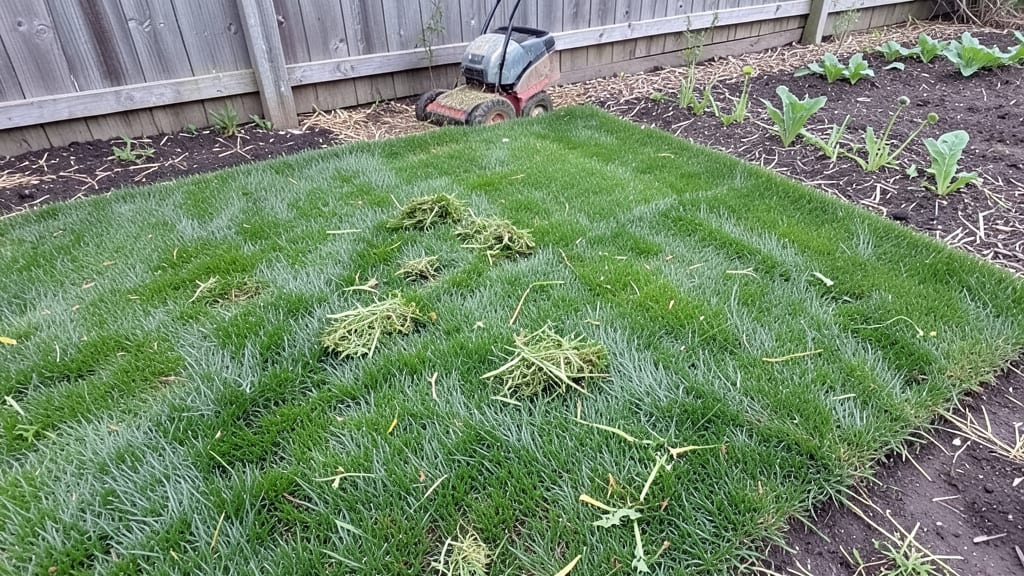
Cutting grass too short turns your lawn from lush to lifeless overnight. 🌱 I’ve seen it happen—brown patches, thin spots, and grass that fights back instead of thriving. The key isn’t just how short you cut, but how you recover when you’ve gone too far.
Different grass types need different heights—cool-season grasses like Kentucky bluegrass should stay at 3 to 4 inches, while warm-season types like Bermuda can handle 1 to 2 inches.
The rule is simple: never remove more than one-third of the blade at once. That’s the difference between a resilient lawn and one struggling to bounce back.
If your grass is already damaged, don’t panic. Raise your mower height immediately and stop cutting until new growth appears. Water deeply but infrequently to encourage roots to reach deeper.
Within 4 to 6 weeks, you’ll see a noticeable recovery—thicker blades, greener patches, and a lawn that looks like it’s been pampered, not punished.
This works for any lawn, from small suburban yards to large open spaces. The secret isn’t perfection—it’s consistency. Let’s get your grass back on track without the guesswork.
Root Causes Of Uneven Growth
If your lawn looks like a patchwork quilt—some areas lush and vibrant while others struggle to stand tall—you’re likely dealing with grass cut too short in key spots. But why does this happen?
Uneven growth isn’t just about lazy mowing habits; it’s often a mix of environmental, mechanical, and biological factors working against your turf. Let’s break down the science behind the struggle and how to spot the culprits before they ruin your lawn’s symmetry.
🌱 Soil & nutrient imbalances
Healthy grass thrives on a balanced diet of nutrients, water, and oxygen. When soil conditions are off, your lawn sends out a distress signal: stunted growth in weak areas. Here’s what’s likely happening:
- Compacted Soil: Heavy foot traffic, pets, or even rain can compress the topsoil, squeezing out air and water. Without oxygen, roots suffocate, and grass in those spots grows slower and weaker—perfect conditions for a mower to scalp it unintentionally. Test it: Stick a screwdriver into the soil. If it resists, compaction is your enemy.
- Poor Drainage: Clay-heavy or low-lying areas hold excess water, leading to anaerobic conditions (lack of oxygen). Grass in these zones may turn yellow or brown, making it easier to cut too short without realizing it’s stressed. Fix it: Aerate annually and consider sand top-dressing for clay soils.
- Nutrient Deficiencies: Nitrogen, phosphorus, and potassium (NPK) are the holy trinity of lawn health. If your soil test reveals low levels—especially nitrogen—grass in deficient patches will grow slower, creating uneven heights. Actionable tip: Apply a slow-release fertilizer in early spring and fall to even out growth.
💡 Pro Tip: Use a soil test kit (available at garden centers for ~$20) to diagnose imbalances. If pH is off (ideal range: 6.0–7.0), amend with lime (to raise pH) or sulfur (to lower it). Healthy soil = even growth = no more "short grass shame."
⚙️ Mower misadventures
Even the most well-intentioned lawn care can backfire if your mower is out of whack. Here’s how mechanical mishaps lead to grass cut too short:
- Uneven Deck Height: Mower decks aren’t always level. If one side is lower than the other, it scalps grass in that area while leaving the higher side untouched. Check it: Place the mower on a flat surface and use a straightedge (like a level) to see if the deck tilts.
- Dull Blades: A sharp blade makes clean cuts; a dull one tears grass, causing stress and slower regrowth. Torn grass in high-traffic areas recovers poorly, leading to patchy, short spots. Fix it: Sharpen blades every 20–25 hours of use or hire a pro for a tune-up.
- Incorrect Cutting Height: Mowing too low (below 2–3 inches, depending on grass type) weakens roots and invites weeds. Over time, short grass in one area becomes a habit—especially if you’re rushing or distracted. Rule of thumb: Never remove more than ⅓ of the grass blade in one mowing.
- Pattern Mowing: Always cutting in the same direction creates soil compaction and uneven wear. Grass in the "path" gets trampled and grows slower, making it shorter than surrounding areas. Solution: Change mowing patterns weekly to prevent ruts.
🔧 Quick Fix: Before mowing, walk your lawn and look for "shadows" where grass is visibly shorter. Adjust your mower’s height to match the tallest areas, then gradually lower it over 2–3 weeks to avoid shocking the turf.
🌞 Environmental stressors
Mother Nature doesn’t always play fair. Extreme conditions can create weak spots that get overlooked—until your mower turns them into "short grass deserts." Here’s what’s sabotaging your lawn:
- Shade & Light Competition: Trees and buildings cast moving shadows, creating microclimates where grass grows slower. Shady patches often turn thin and weak, making them prime candidates for being cut too short. Workaround: Choose shade-tolerant grasses like fine fescue or overseed bare spots with a shade mix.
- Drought or Overwatering: Both extremes stress grass. Drought weakens roots, while overwatering suffocates them. In either case, affected areas grow slower and may turn brown, tricking you into mowing them shorter. Water wisely: Deep, infrequent watering (1–1.5 inches per week) encourages deep roots.
- Pests & Diseases: Grubs, chinch bugs, or fungal infections (like brown patch) create dead or dying patches. Grass in these zones may appear short because it’s already struggling to grow. Spot the signs: Lift a small section of turf—if grubs or bugs are present, treat with beneficial nematodes or insecticide.
- Seasonal Growth Cycles: Grass grows faster in spring and fall (thanks to ideal temps and moisture) and slows in summer heat. If you’re on a strict mowing schedule, you might scalp dormant or slow-growing areas without realizing it. Adjust your routine: Increase mowing frequency in peak growth seasons but reduce height gradually.
🌡️ Seasonal Hack: In summer, raise your mower blade to 3–4 inches to protect grass from heat stress. The extra height provides shade for the soil, reducing water loss.
Uneven growth isn’t just an eyesore—it’s a symptom of deeper issues. By tackling soil health, mower maintenance, and environmental factors, you’ll create a lawn where every blade stands tall and proud. Next up: how to reverse the damage and restore your turf’s glory.
How to solve it
If your lawn has been left looking like it’s been cut short—whether from neglect, overzealous mowing, or seasonal challenges—don’t panic. With the right approach, you can restore balance, prevent future issues, and keep your grass lush without the struggle.
Below, we’ve mapped out cause-specific solutions to get your lawn back on track, plus proactive tips to maintain that perfect height year-round.
###
🔥 Over-Mowing or Uneven Cuts
When grass is cut too short too often, it weakens roots, invites weeds, and leaves patches that recover slowly. The fix? Adjust your mowing habits and give your lawn room to breathe.
- 🔪 Set the Right Blade Height: Never cut more than one-third of the grass blade at once. For most cool-season grasses, aim for 2.5–4 inches; warm-season grasses thrive at 1.5–3 inches. Adjust your mower’s deck height for precision.
- 🌱 Sharpen Your Mower Blade: A dull blade tears grass instead of cleanly cutting it, stressing the plant. Sharpen blades every 10–15 hours of use or hire a pro for professional sharpening.
- ⏰ Mow at the Right Time: Wait until grass is dry but still tall enough to avoid scalping. Early morning mowing reduces stress from heat.
- 🔄 Vary Mowing Patterns: Change directions weekly to prevent soil compaction and encourage upright growth.
💡 Prevention Tip: Invest in a self-propelled or ride-on mower if your lawn is large—it’s easier to control speed and height, reducing the risk of uneven cuts.
###
🍳 Nutrient Deficiencies or Poor Soil
Thin, patchy grass often signals underlying soil issues—like lack of nitrogen, phosphorus, or organic matter—or compacted soil blocking root growth. Replenish nutrients and improve soil health to encourage thicker, more resilient grass.
- 📊 Test Your Soil: Use a DIY soil test kit (available at garden centers) to check pH and nutrient levels. Ideal pH for most lawns is 6.0–7.0. Adjust with lime (to raise pH) or sulfur (to lower it) as needed.
- 🌱 Apply the Right Fertilizer:
Grass Type Best Fertilizer Timing Key Nutrients Cool-Season (Kentucky Bluegrass, Fescue) Early spring, fall Nitrogen (N), Phosphorus (P), Potassium (K) Warm-Season (Bermuda, Zoysia) Late spring, summer Slow-release nitrogen, iron - 🌿 Add Organic Matter: Spread 1/4-inch of compost or use a core aerator to loosen compacted soil. Top-dress with a thin layer of compost after aerating.
- 💧 Water Deeply but Infrequently: Water 1–1.5 inches per week (including rain) to encourage deep root growth. Early morning watering (before 10 AM) minimizes evaporation.
💡 Prevention Tip: Mulch your grass clippings instead of bagging them—they return nutrients to the soil naturally, reducing the need for extra fertilizer.
###
👨🍳 Seasonal Challenges (Dormancy or Overgrowth)
Grass behaves differently in each season—dormant in winter, aggressive in spring. Tailor your care to the season to avoid sudden "cut short" surprises.
- 🌡️ Winter Dormancy:
- Stop mowing when grass turns brown (usually late fall).
- Leave leaves on the lawn—they act as insulation.
- Apply a winterizer fertilizer in late fall to strengthen roots.
- 🌱 Spring Awakening:
- Start mowing when grass reaches 3–4 inches in spring.
- Apply a pre-emergent herbicide in early spring to block weeds before they sprout.
- Overseed bare spots with matching grass seed for uniform growth.
- ☀️ Summer Stress:
- Raise mower blades to 3–4 inches to shade soil and retain moisture.
- Water deeply 2–3 times per week (early morning).
- Avoid fertilizing during heatwaves—it stresses grass.
💡 Prevention Tip: Use a lawn calendar (available online) to track seasonal tasks—it’s a game-changer for staying ahead of overgrowth or dormancy.
###
🔪 Weed or Pest Invasion
Weeds and pests thrive in stressed, short grass. Break their cycle with targeted treatments and cultural fixes.
- 🌿 Choose the Right Herbicide:
- For broadleaf weeds (dandelions, clover): Use a selective herbicide like 2,4-D.
- For grass weeds (crabgrass): Apply a pre-emergent in early spring.
- 🐜 Treat Pests Proactively:
- Grubs: Apply beneficial nematodes or milky spore in early summer.
- Chinch bugs: Water deeply to flush them out; use neem oil as a natural repellent.
- 🌱 Strengthen Grass Density: Thicker grass crowds out weeds. Overseed thin areas in early fall for best results.
💡 Prevention Tip: Mow high (3–4 inches) to block sunlight from weed seeds—many weeds can’t germinate in thick grass.
With these targeted fixes, your lawn will bounce back from being "cut short" and stay resilient all year. The key? Consistency in mowing, feeding, and seasonal adjustments. Start with one or two solutions that match your lawn’s biggest challenge, then build from there.
Before you know it, you’ll have that perfectly manicured look—without the overgrowth headaches!
Frequently asked questions
Why does my grass turn brown after being cut too short?
Cutting grass too short stresses the plant by exposing it to sun and heat damage. When blades are too short, roots can't photosynthesize efficiently, leading to brown patches. This is especially true for cool-season grasses like Kentucky bluegrass, which need at least 3-4 inches of height to thrive.
How long does it take for grass to recover after being cut too short?
Recovery time depends on grass type and weather, but most lawns show improvement within 4-6 weeks with proper care. Raise your mower height immediately, water deeply (1-1.5 inches per week), and avoid cutting until new growth appears. Warm-season grasses like Bermuda recover faster than cool-season types.
Can I still mow my lawn if it's been cut too short?
Yes, but adjust your approach immediately. Raise your mower blade to the highest setting and only remove one-third of the blade at a time. Avoid mowing during heat stress (midday) and never cut when grass is wet. This gradual adjustment gives your lawn time to recover without further damage.
What's the best time of day to mow to prevent cutting grass too short?
Early morning (before 8 AM) is ideal for several reasons: grass is dry but still turgid, temperatures are cooler, and dew has evaporated. This reduces stress on the plant and helps maintain proper height. Never mow when grass is wet—it clumps and tears, creating uneven growth patterns.
Will fertilizing help grass recover faster after being cut too short?
Yes, but use the right type. Apply a low-nitrogen fertilizer (10-0-10 ratio) immediately to support recovery without overstimulating new growth. For cool-season grasses, focus on nitrogen in early spring and fall. Warm-season grasses benefit from slow-release fertilizers in late spring. Always water thoroughly after applying.