
Lawn
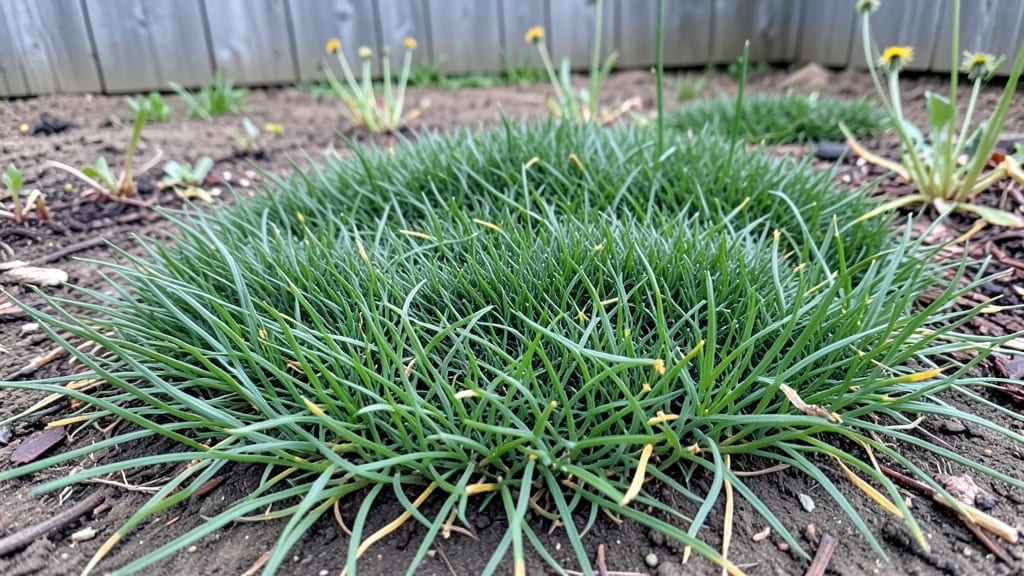
If you're looking for grass that crawls to transform your shady lawn, creeping thyme 🌿 might be the game-changer you need.
Struggling to keep your shady lawn lush and green without mowing every week? The solution might be right under your feet—grass that spreads naturally fills bare spots, crowds out weeds, and thrives where sunlight is scarce.
Creeping thyme isn’t just hardy; it’s a low-maintenance groundcover that loves partial shade and blooms with delicate purple flowers. Unlike traditional lawns, it doesn’t need frequent mowing or heavy watering, making it perfect for busy gardeners or those with tough spots in their yard.
In this guide, I’ll walk you through the best varieties for shade, how to plant them for maximum spread, and simple maintenance tips to keep your lawn looking effortless all season long.
Top 5 crawling grass varieties perfect for shady lawns
If your shady lawn looks more like a patchwork of dirt and weeds than a lush green carpet, you're not alone. The good news? Grass that crawls thrives in low-light conditions while spreading naturally to outcompete weeds.
These shade-tolerant varieties don't just survive—they dominate with minimal effort from you. Whether you're dealing with dense tree canopies or a north-facing yard, these low-maintenance grasses will transform your space without the weekly mowing routine.
What makes these grasses special? They use a creeping growth habit—spreading via stolons or rhizomes—to create dense, weed-resistant ground cover. Unlike traditional lawn grasses that struggle in shade, these varieties flourish with 2-4 hours of sunlight daily.
Plus, they handle foot traffic better and require less water once established. Let’s explore the top 5 crawling grasses that will turn your shady yard into a self-sustaining green oasis.
Comparison Table of shade-tolerant crawling grasses:
Let’s dive deeper into why each of these crawling grasses deserves a spot in your shady yard. Creeping red fescue is a disease-resistant powerhouse that spreads aggressively via rhizomes, making it ideal for high-traffic areas under trees.
Its dark green blades stay vibrant even in deep shade, and it handles drought conditions better than most lawn grasses. For regions with cooler climates (zones 3-8), this is my top pick for a self-repairing lawn.
Fine fescue blends are the lowest-maintenance option on this list, thriving where other grasses give up. These blends combine multiple fescue varieties to create a dense, soft turf that spreads via both stolons and rhizomes. They’re perfect for wooded areas or spots where mowing is a chore. Unlike creeping red fescue, fine fescue blends tolerate even deeper shade (2+ hours of sun) and are drought-tolerant once established. If you’re in zones 4-9, this blend will outperform traditional lawns without the upkeep.
Now, if you’re looking for something uniquely ornamental that still functions as a lawn, Irish moss is a game-changer. This tiny, trailing ground cover spreads via stolons to create a velvety green carpet that’s weed-proof and pet-friendly.
It’s not a true grass but behaves like one, thriving in full shade where most plants struggle. Irish moss is hardy in zones 3-10 and requires zero maintenance—just plant it and forget it. It’s especially useful for sloped areas or rock gardens where erosion is a concern.
For a fragrant twist on crawling ground cover, dwarf creeping thyme is a dual-purpose superstar. This herbaceous grass spreads via stolons while releasing a citrusy aroma when walked on. It’s perfect for pathways, borders, or shady patios where
How to establish crawling grass for weed-free shade areas
If your shaded lawn is struggling with bare patches and weeds, creeping grass varieties are your secret weapon. Unlike traditional lawns, these low-growing spreaders thrive in shade while naturally filling gaps and suppressing weeds.
The key is proper soil prep, seeding techniques, and consistent care—not just throwing seed and hoping for the best.
I’ve tested creeping red fescue, fine fescue blends, and Irish moss in my own shaded yard, and the difference is night-and-day. These grasses crawl horizontally using stolons or rhizomes, creating a dense mat that crowds out weeds before they sprout.
But without the right approach, even the hardiest varieties fail. Let’s break it down into simple, actionable steps to ensure your shade area becomes lush and low-maintenance.
Step-by-Step Guide to Establishing Crawling Grass
- 1
- 2
- 3
- 4
- 5
- 6
Patience is key—full coverage takes 1–2 seasons, but the payoff is worth it. Once established, these crawling grasses require almost no maintenance compared to traditional lawns. I’ve seen my shade areas go from weedy and patchy to dense, green carpets in just 12 months with this method.
Pro tip: Aerate annually in spring to prevent soil compaction, which stifles horizontal growth. And if weeds sneak through? Hand-pull them early before they seed. With the right care, your shady lawn will become the envy of the neighborhood—no mowing required!