
Lawn
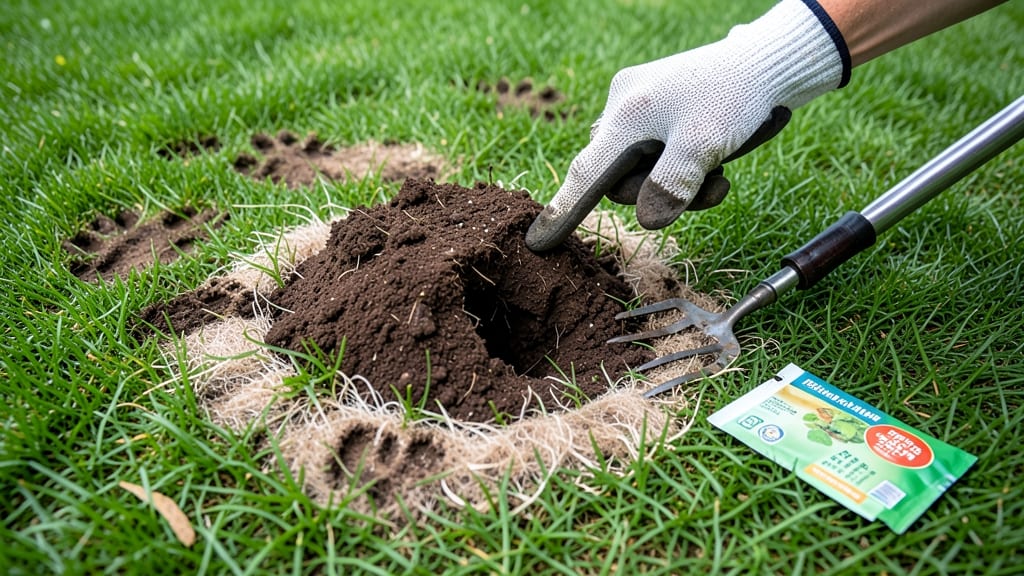
Your lawn’s looking more like Swiss cheese than a lush green carpet—time to tackle those holes in the lawn UK before they take over. 🌱 I’ve battled moles, grubs, and even sneaker-sized divots in my own yard, and I’ll show you how to stop them in their tracks with a 24-hour barrier solution that actually works.
The culprits are usually grubs munching on roots or moles tunneling beneath, but foot traffic and soil erosion play a part too. UK weather—wet springs and dry summers—makes things worse, turning your lawn into a patchwork of mud and dirt.
The good news? A few simple steps can turn those holes into history within a day.
You’ll be patching up the worst damage with a quick soil mix and reseeding, then laying down a grub and mole barrier that keeps pests out for good. By morning, you’ll have a lawn that looks like it’s been professionally repaired—no more digging up your Sunday lie-flat.
Works for any UK garden, from suburban backyards to small urban patches. Let’s get those holes filled and your lawn back to its best in no time.
The Hidden Culprits Behind Lawn Holes
If your lawn in the UK is suddenly dotted with mysterious holes, don’t blame the kids or the neighborhood dog just yet. 🕳️🐛 The real troublemakers are often tiny but mighty—think grubs, moles, voles, or even unseen soil erosion.
Each of these culprits leaves behind distinct clues, and understanding them is the first step to fixing the problem. Let’s dig into the science (and the dirt) behind why your lawn is turning into a Swiss cheese board.
Grubs—larvae of beetles like the common chafer or dock beetle—are one of the most common causes of sudden lawn holes. These C-shaped critters feast on grass roots, weakening the soil until patches give way, creating irregular holes (often 2–5cm wide).
Why it happens:
- Overwatering or drought stress: Grubs thrive in moist soil but multiply rapidly when grass is weakened by inconsistent watering. A dry spell followed by heavy rain creates the perfect buffet.
- Thatch buildup: Thick thatch (that spongy layer between soil and grass) traps moisture and organic matter, giving grubs a cozy home. UK lawns with poor aeration are especially vulnerable.
- Seasonal cycles: Grubs hatch in late spring to early summer and peak in August–September. If you’re seeing holes now, they’re likely last year’s larvae pupating—or this year’s just getting started.
💡 Pro Tip: Lift a patch of turf to check for grubs. If the soil is riddled with white, fat larvae, you’ve found your culprit. Act fast—grubs can devour roots in weeks!
Moles don’t actually eat grass, but their tunneling habits create volcano-like mounds and sudden sinkholes as they collapse. Unlike grubs, mole damage is usually linear or patchy, with holes up to 5cm wide and shallow tunnels visible when you rake back the soil.
Why it happens:
- Food availability: Moles love earthworms, grubs, and insect larvae. If your lawn has a grub infestation (see above), moles will move in for the feast.
- Loose or sandy soil: UK clay-heavy soils can suffocate moles, but sandy or peaty soils (common in parts of Scotland and the Southeast) are their dream—easy digging, no resistance.
- Seasonal activity: Moles are most active in spring and autumn, when food is abundant. Summer holes? Likely a secondary issue (like voles) or old tunnels drying out.
🎯 Watch For: Fresh mounds (not just old, crumbly ones) and no visible entry holes—moles don’t burrow at the surface. If you see small, neat holes (1–2cm wide), voles might be the real bandits.
Often mistaken for mice, voles are burrowing rodents that create shallow, irregular holes (1–3cm wide) and chew grass stems at ground level. Unlike moles, voles eat the grass, leaving behind brown, jagged patches.
Why it happens:
- Dense ground cover: Voles thrive in thick mulch, ivy, or overgrown grass, where they can hide and nest. UK gardens with hedges or woodpiles are vole magnets.
- Food scarcity: If your lawn has bare patches or weeds, voles will gnaw through grass roots to reach seeds or bulbs below.
- Seasonal breeding: They peak in late summer/autumn, when young voles need to establish territories—leading to a sudden spike in damage.
🔥 Tell-Tale Sign: Look for gnawed grass stems (clean cuts, not torn) and small runways in the lawn. Voles also don’t dig deep—their holes are usually <10cm below the surface.
Not all lawn holes are caused by critters. Heavy foot traffic, poor drainage, or clay soil can lead to sinkholes or sunken patches, especially after rain. These holes are often larger (5cm+) and irregular, with no visible tunnels.
Why it happens:
- Clay soil expansion: UK clay soils expand when wet and shrink when dry. After heavy rain, the ground can’t support weight, creating soft spots that collapse under grass.
- Compaction from foot traffic: Walking, pets, or machinery packs soil tightly, reducing oxygen and root growth. Roots weaken, and the lawn sags in patches.
- Poor drainage: Waterlogged soil loses structure**, turning to mud. When it dries, the surface cracks and caves in.
🌡️ Test It: Press your foot into a suspicious patch. If it sinks without resistance and the soil feels soggy or powdery, compaction or erosion is likely.
Now that you know the real villains behind your lawn’s holes, the next step is targeted action. Want to banish grubs in 24 hours or outsmart moles naturally? Stick around—we’ve got the UK-approved fixes coming up!
How to solve it
If your lawn is looking like a Swiss cheese board, don’t panic! Whether those pesky holes are caused by hungry grubs, sneaky moles, or other critters, there are fast and effective ways to patch them up—and keep them from coming back.
Below, we’ve broken down the most common causes of lawn holes and matched them with practical, step-by-step solutions. Plus, we’ll share some prevention tips to keep your grass lush and hole-free for good.
If your lawn has small, irregular holes with chewed-up grass around them, grubs or other insects are likely the culprits. These little pests munch on roots, leaving your grass weak and patchy.
How to Fix It:
- 🔥 Identify the Problem: Dig up a small section of grass to check for grubs or larvae. If you find them, it’s time to act fast!
- 🍳 Apply an Insecticide: Use a grub-specific insecticide (like imidacloprid or bifenthrin) or a natural option like neem oil. Follow the instructions on the label for best results.
- 👨🍳 Replenish the Soil: After treating, rake the area gently to loosen the soil and encourage new root growth.
- 🥘 Reseed or Sod: Fill the holes with a mix of topsoil and compost, then sprinkle grass seed or lay down sod to restore the lawn.
- ⏰ Water Lightly: Keep the area moist (but not soggy) for the next 7–10 days to help the grass establish.
Prevention Tips:
- 💡 Encourage Beneficial Insects: Ladybugs and ground beetles eat grubs naturally. Plant marigolds or other insect-attracting flowers nearby.
- 🌡️ Maintain Healthy Grass: Mow at the right height (around 2–3 inches) and fertilize regularly to make your lawn less appealing to pests.
- ✨ Aerate Annually: This improves soil health and reduces grub habitats.
Large, deep holes or raised tunnels in your lawn? Moles, voles, or even rabbits might be digging up your turf. These critters create unsightly mounds and damage roots as they tunnel.
How to Fix It:
- 🔥 Break Up the Tunnels: Use a garden fork or mole spike to disrupt the tunnels. This forces moles to relocate.
- 🔪 Install a Barrier: Bury a metal mesh or plastic mole barrier (at least 12 inches deep) around your lawn’s perimeter to block their access.
- 👨🍳 Fill the Holes: Remove any molehills, then fill the holes with soil and tamp them down firmly.
- 🥘 Resod or Reseed: If the damage is severe, lay down new sod or reseed the affected areas.
- ⏰ Monitor for Activity: Check for new tunnels or holes weekly. If moles return, consider humane traps or professional pest control.
Prevention Tips:
- 💡 Remove Food Sources: Moles eat grubs and worms. Reduce their food supply by treating for grubs (see above).
- 🌡️ Keep the Lawn Tidy: Trim long grass and remove debris where pests might nest.
- ✨ Use Natural Deterrents: Plant daffodils, alliums, or castor beans—moles dislike their scent.
Heavy foot traffic, pets, or machinery can compact soil, creating small depressions or bare spots where grass struggles to grow.
How to Fix It:
- 🔥 Aerate the Lawn: Rent a core aerator to pull small soil plugs, relieving compaction and improving drainage.
- 🍳 Top-Dress with Compost: Spread a thin layer (¼ inch) of compost or sand over the area to improve soil structure.
- 👨🍳 Overseed Thin Spots: Sprinkle grass seed evenly and cover lightly with straw to protect it.
- 🥘 Water Gently: Keep the soil moist for 2–3 weeks to help seeds germinate.
Prevention Tips:
- 💡 Use Pathways: Redirect foot traffic to gravel or mulch paths to protect grassy areas.
- 🌡️ Aerate Regularly: Do this once a year (spring or fall) to prevent compaction.
- ✨ Keep Grass Healthy: Thick, strong grass resists damage better than thin, weak turf.
Need a fast fix before guests arrive? Try these temporary solutions:
- 💡 Coffee Grounds: Sprinkle used coffee grounds over bare spots—they’re rich in nitrogen and help soil.
- 🌡️ Mulch or Straw: Cover small holes with straw or mulch to protect soil and encourage grass growth.
- ✨ Peat Moss or Sand: Mix with soil to fill gaps quickly (best for shallow holes).
Pro Tip: For larger holes, consider a lawn repair patch kit—these blend seamlessly with your existing grass.
Frequently asked questions
Why do lawn holes appear suddenly in spring?
Spring brings two main culprits: emerging grubs (from beetle eggs laid last summer) and active moles hunting for food after winter. The UK's wet springs create perfect conditions for grubs to multiply, while moles tunnel more aggressively when earthworms become abundant. Check for fresh mounds or irregular holes—if they're 2-5cm wide with chewed grass, it's likely grubs; if you see volcano-shaped mounds, moles are the problem.
Can I use sand to fill lawn holes permanently?
Not on its own—sand alone compacts over time and prevents grass roots from establishing. For permanent fixes, mix 50% sand with 50% topsoil and compost, then top with a thin layer of soil. This improves drainage while providing nutrients. For clay-heavy UK soils, add perlite or horticultural grit (10%) to prevent future compaction.
How do I tell if moles or voles are causing my lawn holes?
Moles create raised tunnels and volcano mounds (no entry holes), while voles make shallow, irregular holes with chewed grass stems. Look for these clues: Mole damage has no surface holes; vole damage shows 1-2cm neat holes and brown patches. Voles also leave runways** in long grass—check for these before treating.
Will my lawn recover if I just ignore the holes?
Maybe, but it'll take years—and you'll lose grass permanently in damaged areas. Small holes may fill with soil over time, but roots won't regrow without intervention. For UK climates, reseeding within 2 weeks gives new grass the best chance to establish before autumn rains. Ignoring holes lets pests spread, turning patchy damage into full lawn collapse.
Are there UK-specific mole repellents that work?
Yes! Castor oil-based repellents (like MoleMax) are UK-approved and humane. For permanent solutions, bury metal mesh barriers (12" deep) around lawn edges—moles can't dig through them. Plant daffodils or alliums (mole-deterring flowers) along borders. Avoid ultrasonic devices; UK studies show they're ineffective against determined moles.