
Lawn
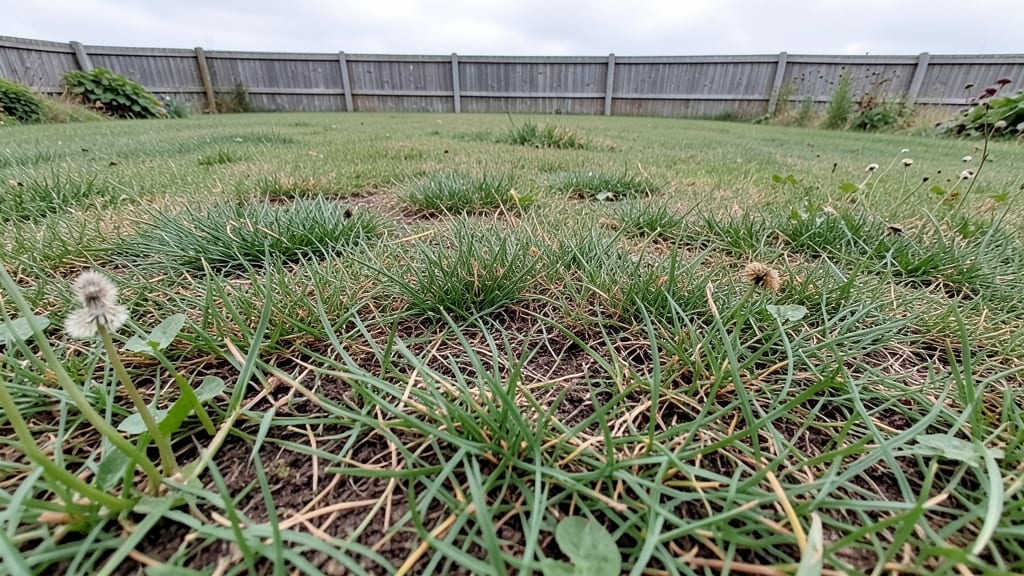
A 5000 square feet lawn is roughly the size of a standard basketball court (94x50 feet) or about half an American football field's end zone area. It’s comparable to a small suburban backyard, offering ample space for landscaping, grass, or garden beds while fitting comfortably in urban or rural settings.
A 5000 square feet lawn gives you enough room to create a full backyard retreat without overwhelming your space. 🌿 For perspective, that’s about the size of a single-family garage plus driveway—plenty for a small garden, a few trees, or even a patio.
Many suburban homes have lawns in this range, making it a practical size for both aesthetics and functionality. Whether you're planning a cozy seating area or a vegetable patch, this footprint balances usability with manageability.
What makes this size particularly versatile is its adaptability to different layouts. You could opt for a long, narrow strip (like 50x100 feet) ideal for a front yard, or a more square shape (around 70x71 feet) perfect for a backyard with multiple features.
The key is balancing open grass areas with dedicated zones for plants, pathways, or outdoor furniture.
💡 In This Article
- Visualizing 5000 Square Feet Lawn Dimensions
- Landscaping and Planting Ideas for a 5000 Square Feet Lawn
Visualizing 5000 square feet lawn dimensions
To truly grasp 5000 square feet, think of it as a 50-foot by 100-foot rectangle—about the length of a football field's 10-yard line to midfield.
This layout is common for suburban backyards, offering enough space for a 20-foot-wide lawn along the house with room for a 30-foot-long garden bed or patio area. The key is understanding how these dimensions translate into real-world features, like how many parking spaces or garden plots would fit.
A 70x71-foot square layout (another way to divide 5000 sq ft) gives you more flexibility for circular flower beds or curved pathways. For comparison, a standard tennis court measures 78x36 feet, so your lawn would comfortably fit 1.5 tennis courts side by side.
This spatial relationship helps visualize how much room you have for activities like outdoor dining, play areas, or even a small pond.
The perimeter-to-area ratio matters too. A 50x100-foot lawn has 300 feet of edge space, while a 70x71-foot version has 282 feet. This difference affects fencing costs, border plantings, or how much edging material you'd need.
For example, a 3-foot-wide flower border around a 70x71-foot lawn would require 282 linear feet of mulch—about 94 yards of coverage.
Here’s how it stacks up against other common spaces:
- Parking spaces: A standard car needs 9x18 feet, so your lawn could fit 31 cars in a single row (though realistically, you’d allocate space for paths and landscaping).
- House footprint: Many suburban homes have 2000-2500 sq ft of living space, leaving 5000 sq ft as a generous outdoor area—enough for a 2-car garage plus a 10x20-foot deck.
- Sports fields: A mini soccer field (smallest official size) is 50x100 feet, identical to your lawn’s dimensions.
What most people overlook is how slope and terrain affect usable space. A 5% grade (common for gentle hills) can reduce effective planting area by 10-15% due to erosion control needs or uneven ground.
For instance, a 50x100-foot lawn on a slope might only yield 4250 sq ft of flat, workable space after accounting for terraced levels or retaining walls.
For urban planners or DIY landscapers, this size is ideal for creating "pocket parks" or community gardens. A 5000 sq ft plot could host 20 raised garden beds (each 4x8 feet) with 10 feet of pathways between them, leaving room for benches and shade structures.
The balance between hardscapes (patios, decks) and softscapes (grass, plants) becomes critical here—too much hardscape, and you lose the lawn’s charm; too little, and maintenance becomes overwhelming.