
Mower
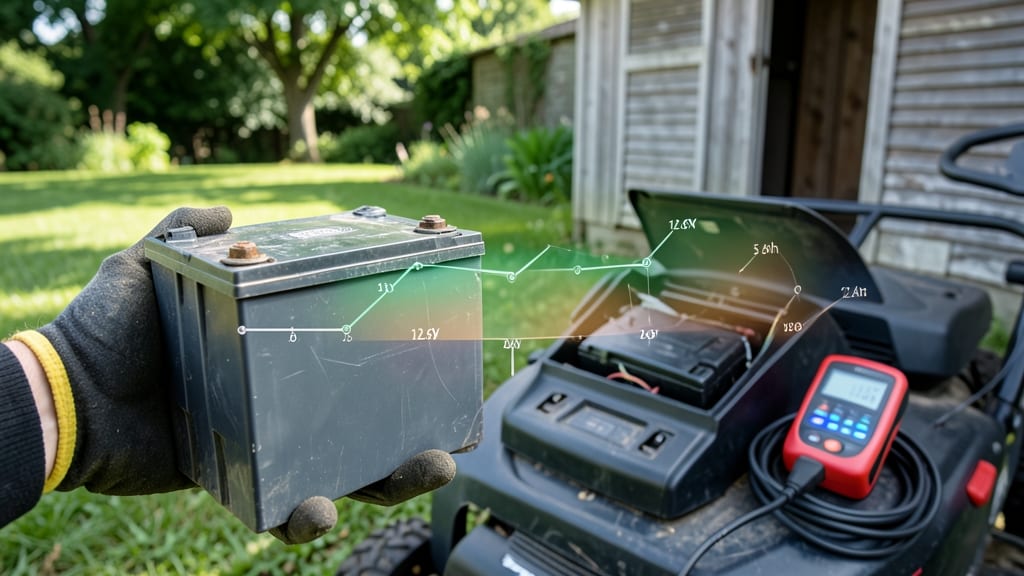
Lawn mower batteries typically last 2 to 5 years when properly maintained, but their lifespan depends heavily on how often you use the mower, how well you store it, and whether you have lead-acid or lithium-ion batteries. Neglecting regular charging or leaving them in extreme temperatures can cut that lifespan in half.
Your lawn mower's battery life isn't just about time—it's about how you treat it. Lead-acid batteries, the most common type, degrade faster with frequent deep discharges (like forgetting to remove the battery after mowing), while lithium-ion batteries handle partial discharges better but cost more upfront. Temperature swings are another silent killer: leaving a battery in a damp garage during winter or baking in summer heat accelerates corrosion and reduces capacity.
I've seen batteries fail in as little as 1 year if stored improperly, while others last 6+ years with consistent care. 🔥
Here's the kicker: most batteries lose 20% of their capacity after just 50 charge cycles, so if you mow weekly during peak season, that's a fast track to replacement. The good news?
A simple habit like removing the battery after each use and storing it in a cool, dry place can add 1-2 extra years to its life. Think of it like your mower's heart—keep it healthy, and it'll keep your lawn looking sharp.
💡 In This Article
- Factors That Shorten or Extend Lawn Mower Battery Life
- Signs Your Lawn Mower Battery Needs Replacement
Factors that shorten or extend lawn mower battery life
Battery chemistry plays the biggest role in determining lifespan. Lead-acid batteries (the standard in most mowers) degrade faster because their plates corrode over time—especially when left in a discharged state.
Each full discharge cycle reduces their capacity by about 5-10%, so if you mow weekly during spring/summer, you'll exhaust their 500-1,000 charge cycles in just 2-3 years. Lithium-ion batteries, meanwhile, handle partial discharges better and retain 80% capacity after 500 cycles, lasting 3-5 years with proper care. 🔥
Climate is another silent lifespan killer. Extreme heat (above 90°F) accelerates chemical reactions that degrade plates, while freezing temperatures (32°F) cause electrolyte solutions to thicken, increasing internal resistance. I've seen batteries fail prematurely in garages without temperature control—especially when stored near heaters or direct sunlight.
Even humidity matters: moisture corrodes terminals over time, creating a high-resistance connection that drains power during startup. A simple battery tender charger can mitigate these effects by maintaining a 12.6-12.8V float charge.
Usage patterns create the biggest variability. Batteries in mowers used once weekly during peak season (April-September) typically last 3-4 years, while those in commercial mowers used daily may only last 1-2 years.
The key is avoiding deep discharges—never letting the voltage drop below 10.5V for lead-acid or 2.5V per cell for lithium. Most mower batteries have a 20-30% capacity reserve, so if you're getting 50% less runtime than when new, it's time to recharge or replace.
Maintenance habits separate the batteries that last from those that fail early. Regularly cleaning corrosion from terminals with a baking soda solution (1 part baking soda to 1 part water) can add 6-12 months to lifespan by preventing voltage drops.
I also recommend checking electrolyte levels in lead-acid batteries monthly—topping up with distilled water when levels drop below the plates prevents sulfation, a common killer that reduces capacity by 50% in just 6 months if ignored.
Even something as simple as storing the battery on a plastic tray (not metal) prevents acid leaks from damaging surrounding components.
Seasonal storage makes a surprising difference. Batteries stored at 50-75°F with a monthly trickle charge maintain 90% capacity after 6 months of inactivity, while those left discharged lose 30-50% capacity in the same time.
Pro tip: Remove the battery before storing the mower long-term—even a small parasitic drain (like from the mower's clock) can discharge it completely in 2-3 months. For lithium-ion batteries, avoid storing below 40% charge—dropping below this threshold causes irreversible damage to the anode materials. 💫
Finally, the mower's electrical system affects battery life. Older mowers with high-amperage starters (like those requiring 400-600 cold-cranking amps) drain batteries faster than modern models with 200-300 CCA requirements. If your mower struggles to start on the first try, the battery works harder to compensate, accelerating wear.
Upgrading to a higher-capacity battery (like a 40Ah instead of 25Ah) can extend usable life by 1-2 years in these cases.