
How To
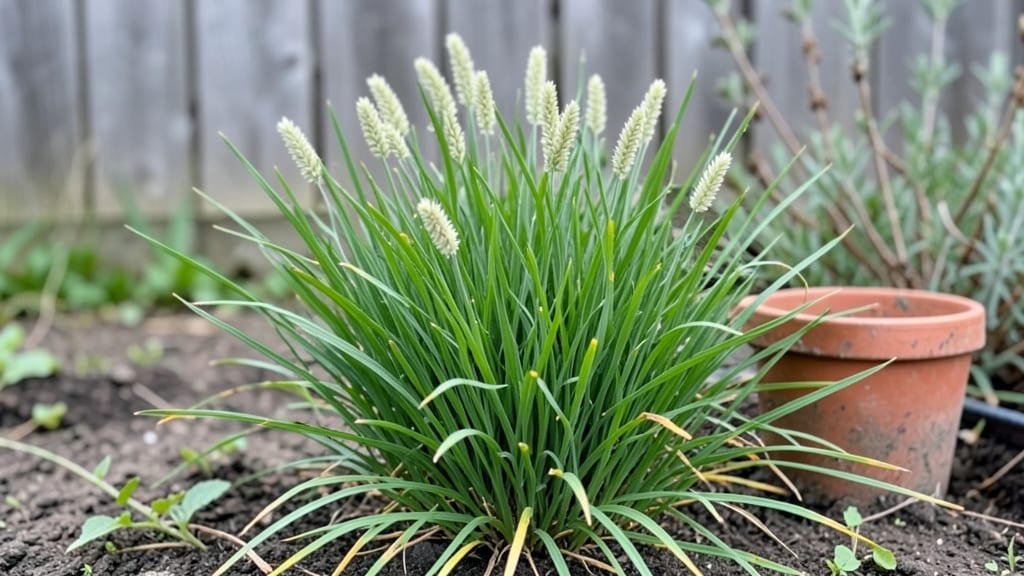
Cat grass grows between 4 to 12 inches tall depending on the variety and growth stage—wheatgrass reaches 6-10 inches, oat grass peaks at 12 inches, and barley grass stays around 4-6 inches. Regular trimming encourages bushier regrowth and prevents overgrowth beyond 12 inches.
Understanding cat grass height helps you choose the right variety for your space. 🌱 Different types mature at distinct rates—wheatgrass, for example, stays mid-height (6-10 inches) and thrives in both pots and garden beds, while oat grass can stretch to a foot tall if left unchecked.
Barley grass remains the shortest option, making it ideal for small indoor setups where vertical space is limited. The key to maintaining your preferred height lies in light exposure and pruning frequency—too little sunlight slows growth, while over-trimming can stress the plant.
For indoor growers, varieties like ryegrass (5-8 inches) are perfect for shallow trays, while outdoor gardeners often prefer timothy grass (8-12 inches) for its hardiness. 💛 Temperature also plays a role: cooler conditions (60-75°F) promote slower, bushier growth, whereas warmer climates can cause rapid vertical expansion.
Always match your cat's preferences to the variety—some cats prefer the shorter, dense textures of barley grass, while others go for the taller, more robust oat grass.
💡 In This Article
- Cat Grass Growth Stages and Height Variations
- Optimal Cat Grass Varieties for Indoor vs Outdoor Growth
Cat grass growth stages and height variations
Cat grass undergoes three distinct growth stages that dramatically influence its final height: sprouting, vegetative, and flowering. During the sprouting stage (days 1-7), seeds germinate and shoot up 1-3 inches in just a few days.
This rapid vertical growth is fueled by stored energy in the seed, with wheatgrass typically emerging 0.5 inches/day under ideal conditions.
The plant's height at this stage is determined by genetic factors—oat grass varieties, for instance, have a natural tendency to grow taller during sprouting due to their longer coleoptiles (the first leaf sheath).
The vegetative stage (weeks 2-4) is where most height variation occurs, as the plant focuses on leaf production rather than vertical expansion.
Here, light exposure becomes critical—oat grass exposed to 12+ hours of sunlight per day can reach its maximum 12-inch height, while barley grass in lower light conditions maxes out at 4-6 inches.
This stage is also when temperature matters most: optimal growth occurs between 60-75°F, where photosynthesis rates peak. Wheatgrass in this stage develops its signature 6-10 inch height through a balance of cell elongation and leaf density, creating that familiar bushy appearance cats love.
What most people don't realize is how soil quality affects this stage. Well-draining potting mix with 50% organic matter (like coconut coir) supports root development, which indirectly influences height by stabilizing the plant.
Poor soil can stunt growth by 20-30%, while nutrient-rich mixes can push oat grass to its upper height limits. The key factor here is nitrogen availability—too little slows growth, but excessive nitrogen promotes rapid vertical expansion at the expense of leaf density, which cats find less appealing.
Finally, the flowering stage (weeks 5-8) marks the end of height growth for most cat grass varieties. Here, the plant redirects energy toward reproduction rather than vertical expansion, though some varieties like oat grass may continue adding 1-2 inches of height.
This stage is often avoided by gardeners because the grass becomes tougher and less palatable for cats. Wheatgrass typically flowers at 8-10 inches, while barley grass may never flower indoors due to its shorter growth cycle.
The transition to flowering is triggered by photoperiod (day length) and hormonal changes within the plant.
Understanding these stages helps explain why your cat grass might suddenly shoot up or stop growing. For example, if you notice rapid vertical growth after moving your plant to a sunnier spot, it's likely entering the vegetative stage with increased photosynthesis. Conversely, stunted growth in winter often indicates temperature-related dormancy.
Regular 1-inch trims every 2-3 weeks encourage bushier regrowth by preventing the plant from committing to flowering. This pruning technique is particularly effective for wheatgrass, which naturally grows in a clumping habit when properly maintained.
Here's what's actually happening at the cellular level: During the vegetative stage, meristematic cells at the base of the plant divide rapidly, pushing the leaves upward. Oat grass has particularly active meristems that can produce 2-3 new leaves per week under ideal conditions, contributing to its taller stature.
The difference between wheatgrass and oat grass height becomes clear when comparing their leaf blade lengths—wheatgrass blades average 4-6 inches while oat grass blades can reach 8-10 inches individually. This biological variation explains why some cats prefer the shorter barley grass while others gravitate toward the taller oat grass varieties.
The science behind maintaining ideal height involves understanding these growth patterns. For indoor growers, using LED grow lights with a 12-hour photoperiod can simulate optimal growing conditions year-round, preventing the height variations caused by seasonal light changes.
Outdoor gardeners should choose varieties like timothy grass that naturally grow 8-12 inches and handle variable conditions better. Remember, the height you achieve depends on these three factors working together: genetics (variety), environment (light/temperature), and care (pruning/soil quality). 🌱