
Watering
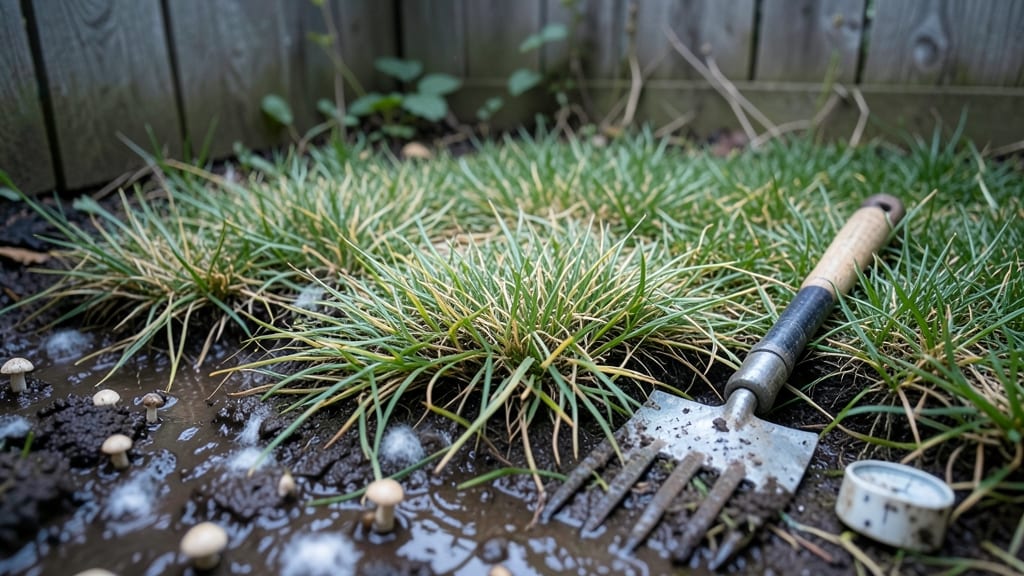
Here’s how to fix overwatered lawn—your soggy, spongy mess isn’t permanent, though I’ve learned that overwatering is the sneakiest way to turn green grass into a fungal buffet. The first step?
Stop watering immediately, even if the roots are gasping for air. That’s right: no more sprinklers until you’ve fixed the drainage, because what you’re dealing with now isn’t thirst—it’s suffocation.
Here’s the quick fix: core aeration (rent a machine or hire a pro) to punch holes for water escape, then top-dress with sand or compost to improve soil structure.
If your lawn has that musty, rotten smell, sprinkle fungicide too—overwatering turns grass into a petri dish for diseases like brown patch. Most lawns show visible recovery within 7-10 days of proper drainage, though severe cases need patience.
What you’ll end up with is a lawn that’s firm underfoot, not squishy, and grass blades that stand tall instead of flopping. The key is adjusting your watering schedule: deep, infrequent soakings (1 inch per week, max) instead of daily light sprinkles.
My rule? Check soil moisture with a finger—if it’s damp 2 inches down, wait another day.
This works for any grass type, though cool-season grasses (like fescue) bounce back faster than heat-loving Bermuda. The real secret? Prevention—once you’ve fixed the drainage, keep a journal of watering dates and weather patterns. That’s how you avoid repeating the same mistakes next summer.
Why it happens
An overwatered lawn isn’t just a nuisance—it’s a scientific imbalance between water, soil, and grass health. Understanding the why behind the soggy ground helps you fix it faster and keep it from happening again. Here are the most common culprits, explained in plain terms:
🌧️ Overzealous Watering Habits
This is the #1 reason lawns drown. Many homeowners follow the "more is better" rule, thinking grass needs constant moisture. But too much water disrupts the soil’s natural aeration and oxygen flow. Here’s how it happens:
- Poor water absorption: Soil particles compact when saturated, blocking water from draining. Think of it like a sponge that’s already full—new water just pools on top.
- Root suffocation: Grass roots need oxygen to breathe. When soil stays soggy for days, roots drown, turning yellow or brown as they suffocate.
- Fungal feast: Excess moisture creates the perfect environment for fungal diseases like brown patch or dollar spot. These thrive in damp conditions, weakening grass over time.
Pro tip: 💡 Most lawns only need 1–1.5 inches of water per week (including rain). Use a rain gauge or tuna can to measure—your sprinkler might be overdoing it!
🏗️ Poor Drainage Systems
If your lawn sits in puddles after rain or watering, the problem isn’t just your hose—it’s your soil structure. Here’s why drainage fails:
- Clay-heavy soil: Clay particles are tiny and dense, trapping water like a sponge. Even a light rain can leave it waterlogged for days.
- Compacted soil: Heavy foot traffic, construction, or even mowing can flatten soil particles, crushing air pockets and blocking water flow.
- Slope issues: If your yard has low spots or slopes toward your lawn, water naturally pools instead of draining away.
Fun fact: 🌡️ A soil test can reveal its composition. If it’s mostly clay, amend it with sand or compost to improve drainage over time.
🌱 Grass Type Mismatch
Not all grass loves water! Some varieties are drought-tolerant, while others thrive in constant moisture. Planting the wrong type for your climate leads to overwatering problems:
- Cool-season grasses (e.g., Kentucky bluegrass, fescue): These love water but rot quickly if soggy. They’re common in northern climates.
- Turf-type tall fescue: While tough, it still needs better drainage than many homeowners provide.
- Warm-season grasses (e.g., Bermuda, Zoysia): These hate excess water and can develop fungal issues fast.
Action step: ✨ If your grass is struggling, check if it’s the right type for your hardiness zone. Some drought-resistant blends (like Buffalo grass) need far less water.
🔌 Irrigation System Malfunctions
Automatic sprinklers are convenient—but they’re also sneaky overwaterers. Common issues include:
- Overlapping spray patterns: If zones overlap, your lawn gets double the water in some areas.
- Incorrect timing: Watering at dawn or dusk increases evaporation loss and fungal risk.
- Clogged or broken heads: A single faulty sprinkler can drench a 10-foot radius for hours.
- No rain sensor: Many systems keep running even during storms, drowning your lawn.
Quick fix: 🔧 Inspect your system monthly—adjust heads, check for leaks, and install a rain shutoff device if you don’t have one.
🌊 External Water Sources
Sometimes, the extra water isn’t coming from your hose at all. Consider these hidden culprits:
- Poorly sloped driveways or sidewalks: Water from rain or melting snow can run onto your lawn instead of draining away.
- Broken sewer or irrigation lines: Underground leaks can seep water into the soil, keeping it perpetually damp.
- Nearby ponds or retention ponds: If your yard is lower than surrounding areas, groundwater may naturally pool.
Test it: 🎯 Dig a small hole (6 inches deep) in a soggy spot. If water rises within 30 minutes, you’ve got a drainage or external water issue.
How to solve it
An overwatered lawn can feel like a lost cause—squishy, yellowing, and downright miserable. But don’t worry! With the right steps, you can revive your grass and restore its health.
Below are targeted solutions for the most common causes of overwatering, along with practical fixes and prevention tips to keep your lawn lush and resilient.
###
💦 Problem: Compacted Soil (Poor Drainage)
If your lawn feels spongy or puddles linger after watering, compacted soil is likely the culprit. Heavy foot traffic, clay soil, or improper watering can squeeze the air out of the soil, preventing water from draining properly.
✅ Fix It:
- 🔥 Aerate Your Lawn – Rent a core aerator or hire a professional to pull small plugs of soil (about 2–3 inches deep). This creates channels for water, air, and nutrients to reach the roots. Do this in early fall or spring when grass is actively growing.
- 🍳 Top-Dress with Sand or Compost – After aerating, spread a thin layer (¼ inch) of coarse sand or compost over the lawn. This improves soil structure and drainage. Avoid fine sand, as it can compact over time.
- 👨🍳 Reduce Foot Traffic – Limit walking or playing on the lawn until the soil dries out. If you have kids or pets, designate a specific area for them to avoid compacting other spots.
💡 Prevention Tips:
- Water deeply but infrequently—aim for 1–1.5 inches per week (including rain) to encourage deep root growth.
- Test your soil’s drainage by digging a 6-inch hole. If water takes more than 4 hours to drain, you’ve got poor drainage and need to aerate.
- Use a lawn roller lightly (if at all)—it can make compaction worse!
###
🌱 Problem: Fungal Diseases (Mushy Grass, Rust Spots)
Overwatering creates the perfect damp, dark environment for fungi to thrive. Look for slimy grass, brown patches, or orange-red rust spots—these are red flags for fungal issues like dollar spot or brown patch.
✅ Fix It:
- 🔪 Stop Watering Immediately – Let the soil dry out completely before watering again. Walk on the lawn—if it springs back, it’s too wet.
- 🌡️ Improve Airflow – Thin out dense grass by mowing higher (3–4 inches) and sharpening your mower blade to avoid tearing grass. Trim back trees or shrubs shading the lawn.
- 🎯 Apply Fungicide (If Needed) – For severe infections, use a preventative fungicide (like propiconazole or myclobutanil) in early morning to avoid burning the grass. Follow label instructions carefully!
💡 Prevention Tips:
- Water early in the morning (before 10 AM) to allow grass to dry quickly.
- Avoid watering at night—moisture lingers, inviting fungi.
- Rake up thatch (the layer of dead grass between soil and blades) if it’s thicker than ½ inch.
###
🌧️ Problem: Overwatering Habits (Too Much, Too Often)
Even if your soil drains well, frequent light watering can weaken grass roots and lead to shallow growth. If your lawn feels spongy but doesn’t have fungal issues, you might just be overdoing it.
✅ Fix It:
- 🔪 Adjust Your Watering Schedule – Switch to deep and infrequent watering. For most lawns, this means:
- 1–1.5 inches per week (including rain).
- Water 2–3 times per week, not daily.
- Water in the early morning (4–8 AM) to reduce evaporation and fungal risk.
- 🥘 Check Soil Moisture – Stick a screwdriver into the soil. If it goes in easily, your lawn doesn’t need water. If it’s dry at 2–3 inches deep, it’s time to water.
- 🌱 Overseed Thin Spots – Once the soil is dry, overseed bare or thinning areas with a drought-tolerant grass blend (like tall fescue or Kentucky bluegrass).
💡 Prevention Tips:
- Install a smart sprinkler controller or rain sensor to automate watering based on weather.
- Group plants with similar water needs together—don’t water the whole lawn if only a section needs it.
- Mulch flower beds and garden areas to retain moisture where it’s needed most.
###
🔧 Problem: Poor Grading or Drainage Issues
If water pools in low spots even after aerating, your lawn’s slope might be the real villain. Clay soil or a yard that slopes toward the house can trap water, leading to chronic sogginess.
✅ Fix It:
- 🔥 Rethink Your Watering Zones – Redirect sprinklers away from low areas. Use soaker hoses or drip irrigation for targeted watering.
- 🍳 Improve Grading – For small areas, add a thin layer of sand or gravel to low spots to help water drain away. For larger issues, hire a landscaper to reslope the yard (a 1% grade—1 inch of drop per 10 feet—is ideal).
- 👨🍳 Install French Drains or Swales – For persistent pooling, a French drain (a buried perforated pipe with gravel) or a swale (a shallow ditch) can redirect water to a dry well or storm drain.
💡 Prevention Tips:
- Before planting, test your yard’s slope—water should flow away from structures, not toward them.
- Plant deep-rooted ground covers (like creeping thyme or clover) in problem areas—they tolerate wetter soil better than grass.
- Consider native grasses or drought-resistant alternatives for low spots.
🌟 Pro Tip: Patience is key! Recovery takes time—give your lawn 2–4 weeks to show improvement after fixing drainage or watering habits. Avoid the temptation to overwater “just in case.” Your grass will thank you with deeper roots and a greener appearance!
Frequently asked questions
How do I know if my lawn is truly overwatered?
Check for these signs: grass blades that feel mushy when walked on, a musty smell (like rotting vegetation), or yellow/brown patches that don’t improve after drying. Dig a small hole—if soil stays soggy for 4+ hours, your lawn is drowning. Also watch for fungal growth like white thread-like strands or orange rust spots.
Can I fix an overwatered lawn without aerating?
Yes, but aeration speeds up recovery. Start by stopping all watering immediately and mowing higher (3-4 inches) to improve airflow. Spread compost or coarse sand (¼ inch thick) to help drainage, then overseed thin areas. For severe cases, consider a manual aerator (spike shoes) as a temporary fix—though core aeration is far more effective.
How long does it take to recover from overwatering?
With proper care, most lawns show improvement in 7-14 days. Deep-rooted grasses like tall fescue bounce back faster than shallow-rooted types. Severe cases (fungal damage, root rot) may take 4-6 weeks. The key is patience—avoid watering until soil feels firm when pressed, and monitor for green regrowth before resuming normal schedules.
What’s the best time of day to water after fixing an overwatered lawn?
Water between 4-8 AM to maximize absorption and minimize evaporation. This timing also prevents fungal growth by allowing grass to dry before nightfall. Avoid evening watering—moisture lingering overnight creates perfect conditions for diseases like brown patch. Use a rain gauge to measure 1-1.5 inches per week (including natural rain).
Will fungicide help if my lawn has mold after overwatering?
Yes, but only after you’ve stopped watering and improved drainage. Use a preventative fungicide (like propiconazole) in early morning on dry grass. For severe cases, apply a systemic fungicide according to label instructions. Focus on high-traffic areas first, as these dry slower. Remove thatch (>½ inch thick) to prevent future fungal outbreaks.