
Lawn
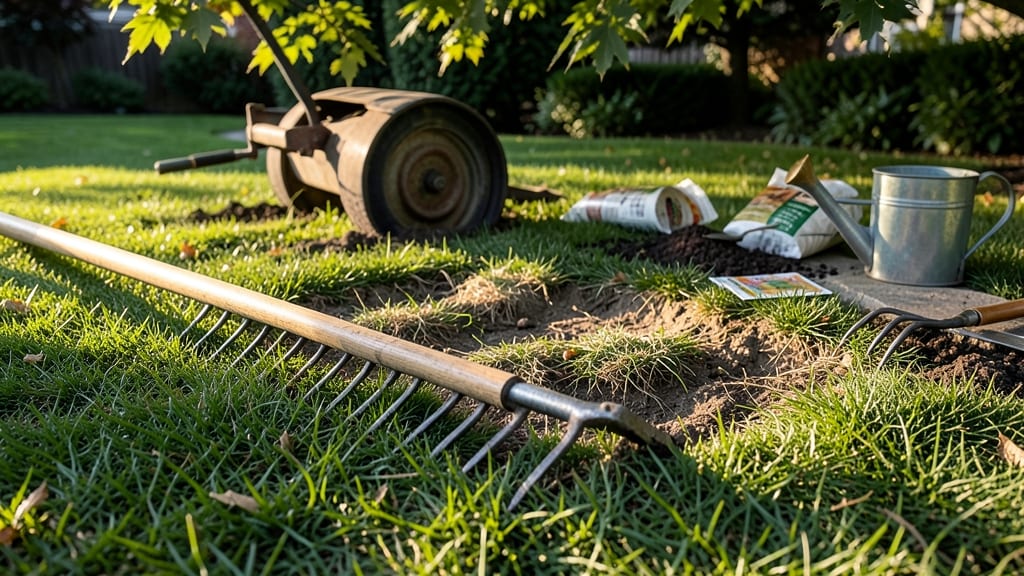
Tire tracks in your lawn don’t have to be permanent—with the right approach, you can revive those compacted patches faster than you think. 🌱 I’ve fixed more than my share of rutted lawns after moving lawnmowers, ATVs, or even kids’ toy cars, and the key is working with the grass, not against it.
The solution combines aeration, soil prep, and smart reseeding to restore that lush, springy feel underfoot.
You’ll need just a few tools: a lawn rake, a garden fork or aerator, some quality grass seed, and a sprinkler or hose. Timing matters too—spring or early fall gives grass the best chance to recover before summer heat or winter freeze sets in.
The process takes about 2-3 hours for a small lawn, and the results will have you wondering why you didn’t fix this sooner.
First, loosen the compacted soil with a fork or aerator, then rake away debris and level the area. Sprinkle fresh seed and cover lightly with soil—this isn’t rocket science, but it does require patience.
Within 2-3 weeks, you’ll see new growth filling in those tracks, and in a few months, your lawn will look like it never knew a tire was there.
To keep your lawn looking its best, avoid driving over the same spots repeatedly, and consider laying down landscape fabric or gravel paths for heavy equipment. The secret? A little prevention goes a long way—your grass will thank you for it.
📚 In This Guide
- What you need
- Instructions
- Tips and common mistakes
- Wrapping up and next steps
What you need
- ● Rake (bendable metal or plastic) – A 6-8 inch garden rake works best for leveling soil and debris.
- ● Topsoil or sand – About 1-2 bags (50 lbs each), depending on track depth and lawn size.
- ○ Lawn roller (optional but helpful) – A lightweight 20-30 lb roller compacts soil for better seed/grass contact.
- ● Grass seed – Match your existing grass type; ~1-2 lbs per 100 sq. ft. for moderate coverage.
- ● Straw or erosion control blanket – A 50 sq. ft. roll holds seed in place and retains moisture.
- ● Hose with spray nozzle – For deep watering (gentle mist setting preferred).
- ● Gloves & knee pads – Protect your hands and joints during the process!
- ● Soil conditioner (compost or peat moss) – Improves soil quality if tracks are deep.
- ● Lawn fertilizer (low-nitrogen, starter blend) – Speeds up regrowth.
- ● String trimmer or edger – For neatening edges post-repair.
- ● Watering timer – Automates hydration for consistent results.
Step-by-step instructions for repairing tire tracks in lawn
Here's the straightforward method I use to restore your lawn's smooth look—no heavy equipment needed.
🌱 Step 1: Rake and Loosen Compacted Soil
Start by raking the tire tracks with a stiff-bristled lawn rake to break up the compacted soil. Work in one direction first, then cross-rake perpendicularly to loosen the surface evenly. You'll feel the difference when the soil gives slightly under pressure—this is your signal the compaction is breaking down.
For deeper tracks, use a garden fork to poke holes every 3-4 inches along the track. Push the fork down 4-6 inches deep and wiggle it gently to create small aeration pockets. This lets air, water, and grass roots penetrate where they couldn't before. I always do this on a dry day so the soil doesn't turn to mud—wet conditions will make the tracks worse.
💧 Step 2: Top-Dress with Soil and Seed
Spread a thin layer of topsoil or compost over the entire track area—about ¼ inch thick. This fills the low spots and provides a seed-friendly surface. I like to use a push broom to spread it evenly, then lightly rake it in so it blends with the existing soil. Don't overdo it; too much soil will smother grass roots.
Next, sprinkle grass seed over the area at a rate of ½ pound per 100 square feet. Choose a seed mix that matches your existing lawn—this ensures color and growth consistency. Gently press the seed into the soil with the back of a rake or a lawn roller. You'll see the seeds nestle into the soil without being buried too deep, which is perfect for germination.
☀️ Step 3: Water and Maintain for Growth
Water the area immediately after seeding, keeping the soil moist but not soggy for the first 10-14 days. Use a gentle sprinkler or soaker hose to avoid dislodging the seed. You'll know you're doing it right when the soil looks consistently damp but doesn't form puddles. After the initial watering, keep the area moist by watering lightly every 2-3 days until you see new grass blades.
Once the new grass reaches about 2-3 inches tall, gradually reduce watering to encourage deeper root growth. Avoid heavy foot traffic for at least 4-6 weeks to give the new grass time to establish. I usually set a reminder to check the tracks weekly—this helps me catch any dry spots early and keep the repair on track.
Tips & tricks for perfect lawn repair
Confession: I skipped the aeration step for years and wondered why my lawn never truly recovered. Here's what I learned the hard way.
Timing is Everything: The best time to repair tire tracks is during the cool season (early spring or fall) when temperatures are mild and rainfall is more consistent. In hot summer months, the soil dries out too quickly, and newly planted grass seeds can bake in the sun. If you must repair in summer, do it early in the morning or late afternoon to avoid peak heat.
Tool Technique: When using the garden fork in Step 1, don't just poke holes—wiggle it gently to create those small aeration pockets. This is what breaks up compaction without turning your lawn into mud. I've seen people stab the fork straight down and create more damage than good. Work slowly and methodically, about 3-4 inches apart, and you'll see the difference when you rake over the area afterward.
Soil Selection: For Step 2, I recommend using a mix of topsoil and compost (about 50/50) rather than just topsoil alone. The compost adds beneficial microbes and nutrients that help the new grass establish faster. If you're in a sandy soil area, add a bit of peat moss to help retain moisture. Just remember—keep that layer thin (¼ inch) so you don't smother existing grass roots.
Watering Wisdom: The first 10-14 days are critical for those grass seeds. Set up a gentle sprinkler on a timer to water lightly every 2-3 days—this keeps the soil consistently moist without creating puddles. I like to check with my finger: if the top inch of soil feels dry, it's time to water. Too much water can actually suffocate seeds, so less frequent but deeper watering works better than light daily sprinkles.
Pro Tips for Fix Tire Tracks In Lawn
- Confession: I skipped the aeration step for years and wondered why my lawn never truly recovered.
- Timing is Everything: The best time to repair tire tracks is during the cool season (early spring or fall) when temperatures are mild and rainfall is more consistent.
- Tool Technique: When using the garden fork in Step 1, don't just poke holes—wiggle it gently to create those small aeration pockets.
Frequently asked questions
Got questions about restoring your lawn after tire tracks? You’re not alone—many homeowners face the same challenges. Here are some of the most common questions (and answers!) to help you get your grass back to its lush best.
Can I fix tire tracks in my lawn right away, or should I wait?
For best results, wait until the grass is actively growing—typically in spring or early fall. If the tracks are fresh (less than a week old), you can start repairs immediately, but avoid working in soggy or frozen soil. Patience pays off for deeper damage!
What if my lawn has deep ruts from heavy vehicles or ATVs?
Deep tracks require extra effort! Start by filling ruts with topsoil or compost, then level them with a rake. For severe damage, consider sod patches or overseeding the area. Over time, the grass will knit together naturally.
How often should I water after repairing tire tracks?
Water lightly every 2–3 days for the first 2 weeks to encourage root growth. Avoid deep watering, which can wash away soil. Once the grass is established (after 4–6 weeks), return to your normal watering schedule. Think of it as giving your lawn a gentle drink, not a flood!
Are there any quick fixes to hide tire tracks temporarily?
Yes! For a fast solution, spread a thin layer of mulch or straw over the tracks to protect the soil while grass regrows. You can also use compost or peat moss to blend the area in until permanent repairs take hold.
What if the grass doesn’t grow back in the tracked areas?
If bare spots persist, the issue might be soil compaction or poor seed-to-soil contact. Try aerating the lawn or applying a starter fertilizer to boost growth. If needed, reseed the area or lay down new sod for full coverage.
Still stumped? Drop your specific challenge in the comments—we’re happy to help!
Wrapping up and next steps
Fixing tire tracks in your lawn doesn’t have to be a daunting task—with the right tools and a little patience, you can restore your grass to its lush, track-free glory! 🌱 Whether you choose to overseed, top-dress, or repair with sod, each method brings your lawn back to life step by step.
Remember, consistency is key, so keep an eye on moisture and give your grass time to recover.
Now that you’re armed with the know-how, roll up your sleeves and get started! Your lawn will thank you—and so will your neighbors. For extra tips or troubleshooting, check out our FAQ section or explore more lawn care guides. Happy gardening! 🌿