
Lawn
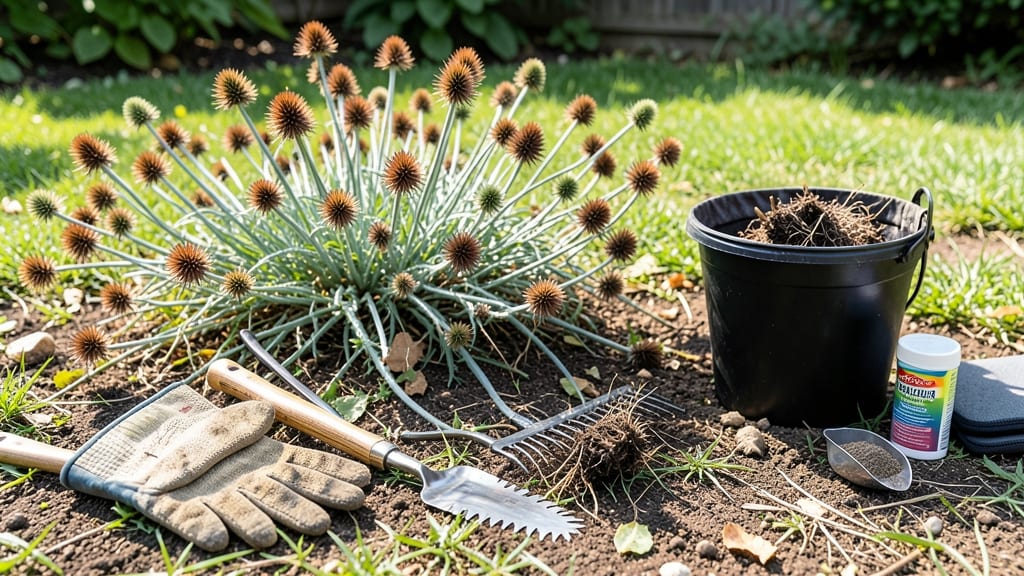
Grass burrs turning your lawn into a spiky mess? 🌱 The pull-and-roll technique is the most effective way to tackle these stubborn patches without resorting to harsh chemicals.
I've spent years battling these invasive weeds, and this method consistently delivers results in just 2-3 sessions—no matter how thick the infestation. The secret lies in timing and technique: pull when the soil is moist (after a rain or watering), then roll the lawn to bury any missed seeds.
Most people give up too soon—consistency is key. Within 4-6 weeks of regular treatment, you'll see a noticeable reduction in burrs, and your grass will start reclaiming space.
What you'll end up with is a smoother lawn surface, fewer seed heads spreading, and a healthier turf base that crowds out new growth. The best part? This method works year-round, though early spring and fall are ideal for maximum impact.
For larger areas, combine this with proper mowing (keeping blades sharp) and overseeding with a dense grass variety like tall fescue. Here's how to make those spiky invaders disappear for good.
The Hidden Triggers Behind Stubborn Grass Burrs
Grass burrs—those spiky, seed-like intruders—don’t just appear out of nowhere. They’re the result of a mix of environmental conditions, lawn care habits, and even the types of plants growing in your yard. Understanding the root causes (literally!) is the first step to keeping them at bay.
Let’s break down why these pesky invaders take over your lawn and how they thrive in the first place.
---
Grass burrs are often the seeds or seed heads of weedy grasses like crabgrass, sandbur, or foxtails, which are opportunistic plants that exploit weak or neglected lawns. Here’s how they do it:
- Poor Lawn Density: Thin or patchy grass creates gaps where weeds can germinate. When your lawn is sparse, sunlight reaches the soil, encouraging weed seeds to sprout.
These weeds then produce burrs as they mature. - Seed Dispersal: Weeds like sandbur release burrs that latch onto clothing, pet fur, or even lawn equipment—spreading them far and wide.
A single plant can produce thousands of seeds, ensuring a steady infestation. - Drought or Heat Stress: When grass struggles due to dry conditions, weeds take over. Stress weakens your lawn’s defenses, making it easier for burr-producing plants to establish roots.
💡 Pro Tip: Mow high (3–4 inches) to shade out weeds and keep your lawn dense. This starves burr-producing plants of sunlight before they even get started.
---
Your lawn care routine—whether you’re overdoing it or neglecting it—can directly contribute to burr problems. Here’s how:
- Over-Fertilizing or Under-Fertilizing: - Too much fertilizer can lead to rapid but weak grass growth, leaving gaps for weeds. - Too little weakens grass, making it vulnerable to invasion. - Incorrect Mowing Height: - Cutting grass too short (below 2 inches) stresses the turf, exposing soil to weeds. - Leaving clippings too long can smother grass and create a moist, dark environment where weed seeds thrive. - Skipping Overseeding: - Bare spots from dead grass or foot traffic become breeding grounds for burr-producing weeds.
Overseeding fills gaps before weeds can move in.
🎯 Actionable Fix: Follow the 1/3 Rule—never remove more than one-third of the grass blade in a single mowing. Adjust your mower height seasonally (higher in summer, slightly lower in fall).
---
The health of your soil plays a huge role in whether grass burrs take over. Here’s what’s happening underground:
- Compacted or Poor-Draining Soil: - Heavy foot traffic, machinery, or clay-heavy soil prevents water and nutrients from reaching grass roots.
Weeds like sandbur thrive in compacted areas because their roots can penetrate harder soil. - Solution: Aerate your lawn in spring or fall to relieve compaction and improve drainage. - High Soil pH (Alkaline Conditions): - Grass prefers a pH of 6.0–7.0.
If your soil is too alkaline (pH > 7.5), nutrients like iron and manganese become unavailable, weakening grass and inviting weeds. - Test it: Use a soil test kit (available at garden centers) and amend with sulfur or peat moss if needed. - Excessive Thatch Buildup: - A thatch layer (dead grass and roots) thicker than ½ inch blocks water and air from reaching the soil.
Weeds exploit this by germinating in the upper layer. - Fix it: Dethatch in early spring if the layer exceeds ½ inch.
--- Timing matters when it comes to grass burrs. These weeds have peak seasons for germination and spread:
| Season | Why Burrs Thrive | How to Counteract | |------------------|-----------------------------------------------|-----------------------------------------------| | Late Spring/Early Summer | Warm soil (60–85°F) triggers weed seed germination. | Pre-emergent herbicides applied in early spring (before weeds sprout) can stop them. | | Dry, Hot Summers | Drought-stressed grass leaves gaps for weeds. | Water deeply 1–1.5 inches per week to keep grass resilient. | | Fall (September–October) | Cool temps and moisture give weeds a second chance to germinate. | Overseed and fertilize to strengthen grass before winter. |
✨ Key Insight: Most burr-producing weeds are annuals, meaning they complete their life cycle in one season. Stopping them early (before they seed) is the best defense.
--- Believe it or not, wildlife and even your pets can spread grass burrs faster than you think:
- Birds and Small Animals: - Birds eat weed seeds and drop them in your lawn via their droppings. Squirrels and rabbits may also scatter seeds while foraging. - Pets and Livestock: - Burrs hitch rides on fur, shoes, or hooves, then get deposited in new areas.
Even a quick walk with your dog can transport seeds across your yard. - Wind and Water: - Lightweight burrs (like those from crabgrass) can travel on breezes. Rain washes seeds into lawn gaps, especially after mowing.
🔥 Quick Solution: Inspect pets’ paws after outdoor time and shake out shoes or garden tools before storing them.
Quick Fixes for Stubborn Grass Burrs
Grass burrs—those prickly, stubborn little invaders—can turn your lush lawn into a minefield of discomfort. But don’t let them win!
Whether they’re creeping in from edges, hitchhiking on pets, or popping up after mowing, here’s how to tackle them cause by cause, with practical steps to restore your lawn’s smoothness.
---
If burrs are sneaking in from walkways, driveways, or wild patches, they’re likely spreading from uncontrolled grass or weeds. Stop the invasion at the source with these steps:
#### 🔥 Trim the Perimeter Use string trimmers or hedge shears to cut back overgrown grass and weeds along your lawn’s edges.
Focus on: - Driveways and sidewalks (where burrs often lodge). - Tree lines or fence borders (common hiding spots for seeds). - Ditches or low spots (moisture helps burrs thrive).
Pro Tip: 💡 Trim before seeds mature (late summer/early fall) to prevent new burrs from forming.
#### 🍳 Smother or Remove Weeds For stubborn weed patches: 1. Hand-pull weeds (including burr-producing plants like nutgrass or crabgrass) when soil is moist. 2. Apply corn gluten meal (a natural pre-emergent) in early spring to block new weed seeds.
3. Lay cardboard or landscape fabric over bare spots, then top with mulch or new sod to starve out weeds.
Avoid herbicides if you plan to reseed—some chemicals can harm grass seeds.
#### 👨🍳 Replant with Dense Grass Fill bare spots with fast-growing grass seed (like tall fescue or perennial ryegrass) to outcompete burrs. Overseed in early fall for best results.
---
If burrs keep appearing after walks or playtime, they’re likely hitchhiking in on fur, shoes, or tools. Break the cycle with these habits:
#### 🔪 Inspect and Clean Regularly - Pets: Brush them down with a fine-tooth comb or damp cloth after outdoor time.
Use a lint roller on clothes/shoes. - Tools: Wipe down lawnmowers, rakes, and brooms after use to remove stuck seeds. - Kids’ toys: Shake out sandboxes, balls, and outdoor gear before storing.
#### 🌡️ Create a "Burr Barrier" Place a doormat with deep bristles or a rubber mat at entry points to trap seeds before they spread.
#### ✨ Train Pets to Avoid Burr Hotspots If your dog loves rolling in burr patches, redirect them to a designated play area with artificial turf or gravel.
---
Burrs love to hitch rides on air currents or get tossed by mowers. Prevent airborne spread with these tweaks:
#### 🔪 Adjust Mowing Height & Technique - Raise mower blades to 3–4 inches—taller grass shades out weeds and burrs. - Mow when grass is dry to avoid spreading seeds stuck to the deck. - Bag clippings if burrs are severe (though this isn’t always necessary).
#### 💡 Use a "Burr-Catching" Method - Rake clippings into piles and dispose of them off-site (don’t compost if burrs are present). - Vacuum seeds with a leaf blower on high speed to suck up loose burrs before they root.
#### 🌿 Plant Windbreaks Strategically place shrubs, hedges, or tall ornamental grasses along windy areas to block seed drift.
---
Once you’ve cleared them, stop future invasions with these long-term strategies:
| Problem | Solution | When to Do It | |---------------------------|---------------------------------------|----------------------------| | Weak, thin grass | Overseed + fertilize (use slow-release nitrogen). | Early fall or spring. | | Bare patches | Apply topsoil + new grass seed. | After pulling weeds. | | Moisture-loving burrs | Improve drainage with sand or compost. | Fall or spring. | | Pet/wildlife traffic | Install gravel paths or decorative rocks. | Anytime. |
🎯 Bonus Tip: 🔥 Pull burrs early—when they’re young and shallow (use a weed puller or digging fork for stubborn ones). Mature burrs have deep roots and are harder to remove!
--- Remember: Consistency is key! Check your lawn weekly in peak burr season (late summer/fall) to catch them before they take over. With these fixes, your lawn will go from ouchy to smooth in no time!
Frequently asked questions
Why do grass burrs keep coming back even after I remove them?
Burrs often return because their seeds spread easily through wind, pets, or equipment. A single plant can produce thousands of seeds, so even a few missed seeds will regrow. For long-term results, combine removal with pre-emergent herbicides (applied in early spring) and denser grass to block sunlight for new seeds.
Are grass burrs harmful to pets or children?
Yes, they can be! Burrs can lodge in pet fur, causing irritation or even skin infections. For kids, they might get stuck in shoes or clothes, leading to discomfort. Always inspect pets after outdoor time and check kids' feet before indoor play. A doormat with deep bristles at entryways helps trap them too.
Can I use vinegar to kill grass burrs?
Vinegar (acetic acid) can kill burrs, but it’s not ideal for lawns. It also harms grass and beneficial soil microbes. For spot treatment, mix 1 gallon of vinegar + 1 cup dish soap and apply directly to burrs (avoid healthy grass). For lawns, use corn gluten meal or targeted herbicides instead.
What’s the best time of year to tackle grass burrs?
Early spring (before seeds sprout) or late summer (after seeds mature but before they spread) are ideal. In spring, apply pre-emergent herbicides to block new growth. In summer, pull mature burrs when soil is moist (after rain). Fall is also good for overseeding to crowd out weeds.
Will mowing help get rid of grass burrs?
Mowing alone won’t eliminate burrs, but it helps manage them. Keep blades sharp and set to 3–4 inches to shade out weeds. Bag clippings if burrs are severe, and mow when grass is dry to avoid spreading seeds. For stubborn patches, combine mowing with hand-pulling or herbicides for best results.