
How To
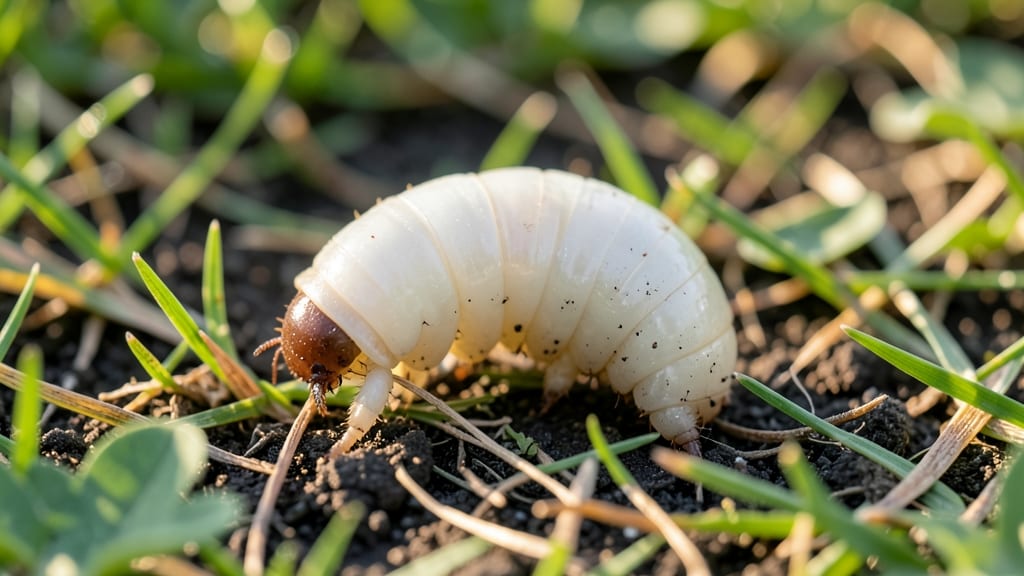
Grub worms in your lawn mean brown patches that won’t go away—no matter how much you water. 🌱 I’ve battled these sneaky pests for years, and I’ll show you how to spot, starve, and stop them in just three days without harsh chemicals.
The first step is identifying the damage: lift a patch of grass and look for white, C-shaped larvae. If you find them, don’t panic—this is fixable. The key is acting fast before they turn your lawn into a buffet for birds and moles.
By the end of this process, your grass will bounce back greener and stronger than ever. We’ll use natural predators, soil treatments, and smart watering to break their cycle for good. Works for any lawn type, from shady backyards to sunny front yards. Let’s get those grubs gone for good!
Why it happens
Grub worms don’t just appear out of nowhere—they’re the result of a perfect storm of conditions that turn your lawn into an all-you-can-eat buffet. Understanding these triggers is the first step to stopping them before they wreak havoc. Let’s dig into the why behind the grub invasion.
Grubs thrive in soft, moist soil—think of it as their personal spa. When lawns receive excessive watering (especially late in the day) or heavy nitrogen fertilizers, the grass roots grow shallow, creating a cozy, nutrient-rich layer just beneath the surface.
This is prime real estate for Japanese beetle and European chafer grubs, which feed on these weakened roots.
Why it’s a problem:
- Too much water = soggy soil = grubs can’t survive dry spells.
- Over-fertilizing = faster grass growth = more food for grubs.
- Thatch buildup (from organic debris) traps moisture, making the soil even more inviting.
Pro tip: 💡 Test your soil’s moisture by squeezing a handful—if water drips out, you’re overdoing it. Aim for 1 inch of water per week (including rain) and use slow-release fertilizers.
Grubs are the larval stage of beetles like the Japanese beetle or European chafer. If you’ve spotted shiny green beetles chewing on roses or lily pads in summer, those same beetles will lay eggs in your lawn come late summer or early fall.
Within weeks, those eggs hatch into grubs, burrowing into the soil to feast on roots.
Why it’s a problem:
- Beetle populations explode in warm climates (they hitchhike on wind and vehicles).
- Female beetles target grass for egg-laying—think of it as their "nesting" behavior.
- Cool, damp soil (fall temperatures) is ideal for egg hatching.
Pro tip: ✨ Set up beetle traps in early summer to catch adults before they lay eggs. But be cautious—traps can sometimes attract more beetles if placed too close to your lawn!
Grubs are temperature-sensitive. They prefer cool, moist soil (ideal for root-feeding) and warm spells to trigger egg hatching.
In most regions, this happens in late summer to early fall, but timing varies by climate: - Northern states: Peak grub activity in September–October. - Southern states: Grubs may appear earlier (July–August) due to longer growing seasons.
Why it’s a problem:
- Unpredictable weather (e.g., warm fall nights) can extend the grub season.
- Compacted soil (from foot traffic or heavy equipment) makes it easier for grubs to tunnel deeper.
- Drought followed by sudden rain stresses grass, making it more vulnerable to grub attacks.
Pro tip: 🌡️ Monitor your local soil temperature—grubs are most active when temps are 60–80°F (15–27°C). Use a soil thermometer to time your treatments.
Healthy grass can tolerate some grub damage, but stressed lawns (from disease, drought, or poor mowing habits) are easy targets. Grubs focus on the easiest meals, and weak grass roots are a buffet.
Why it’s a problem:
- Thin grass patches = exposed soil = grubs can feed without competition.
- Fungal infections (like brown patch) weaken roots, making them more appealing.
- Improper mowing (cutting too short) stresses grass, reducing its ability to recover.
Pro tip: 💪 Strengthen your lawn before grub season:
- Mow at 3–4 inches tall to encourage deep roots.
- Aerate compacted soil in early fall to improve drainage.
- Overseed bare spots with grub-resistant grasses (like tall fescue).
Sometimes, the way we maintain our lawns accidentally invites grubs.
For example: - Excessive thatch (from clippings and debris) traps moisture and grubs. - Using mulch near grass edges can create microclimates perfect for egg-laying. - Poor drainage (from slopes or clay soil) keeps soil too wet for grubs’ liking—until it’s not.
Why it’s a problem:
- Thatch layers > ½ inch act like a blanket, keeping soil damp and grub-friendly.
- Over-seeding without proper prep can bury grass clippings, creating grub hotspots.
- Ignoring early signs (like birds digging up lawns) means grubs have a head start.
Pro tip: 🔥 Break the cycle with these habits:
- Dethatch in early spring if layers are thick.
- Rake up mulch from grass edges to disrupt beetle egg-laying sites.
- Check for bird activity—if you see flocks pecking at your lawn, grubs are already a problem!
Quick Fixes for Grub Worm Havoc
Grub worms may seem like a lawn’s worst nightmare, but with the right approach, you can starve them out, drown them, or outsmart them in just days. Below are targeted solutions based on the root cause—whether your lawn is overrun, patchy, or just starting to show signs of trouble.
Each method is practical, budget-friendly, and designed to work fast.
Cause: Grubs are already feasting under the surface, weakening roots. Fix: Kill and remove them ASAP before they multiply.
🍳 Step 1: Confirm the Problem (Don’t Guess!)
Before treating, dig a small patch of turf (about 6” x 6”) and lift it gently.
Look for: - White, C-shaped grubs (½” to ¾” long) clinging to roots. - Healthy grubs (not shriveled) mean they’re still active—act now! - Fewer than 5–10 grubs per square foot? Your lawn can recover on its own. More? Time for action.
> 💡 Pro Tip: Do this in the late afternoon when grubs are near the surface (they’re shallow feeders).
👨🍳 Step 2: Starve Them with Drought Stress (Free & Fast)
Grubs cannot survive without moisture. If your lawn is already struggling: 1. Water deeply (1–1.5” per week) for 3–5 days to encourage grubs to rise.
- Stop watering for 1–2 weeks—this forces them back down, where they’ll overheat and die in dry soil.
- Rake the lawn lightly after 2 weeks to expose any survivors to birds or sun.
> ⚠️ Warning: Only do this if your lawn is already stressed (brown patches). Healthy grass won’t survive prolonged drought.
🥘 Step 3: Apply Grub-Specific Pesticides (For Severe Infestations)
If the damage is widespread, chemical treatment is the fastest fix.
Use: - Imidacloprid (Merit) – Systemic insecticide absorbed by grass roots (kills grubs for 30+ days). - Chlorantraniliprole (Scotts GrubEx) – Organic-friendly option that paralyzes grubs in 24 hours. - Carbaryl (Sevin) – Fast-acting but less long-term (reapply every 2 weeks).
How to apply:
- Early morning or evening (avoid midday sun).
- Water lightly after to help absorption.
- Follow label rates—overapplying won’t speed up results but can harm beneficial insects.
> 🌡️ Pro Tip: Best time to treat: Late summer to early fall (when grubs are young and most vulnerable).
Cause: You’ve spotted a few grubs but grass is still green. Fix: Prevent a full-blown infestation before it spreads.
⏰ Step 1: Use Nematodes (Eco-Friendly & Effective)
Beneficial nematodes (Heterorhabditis bacteriophora) are microscopic worms that infect and kill grubs naturally.
- When to apply: Late summer or early fall (when grubs are small).
- How to apply: 1. Water lawn deeply the night before.
- Mix nematodes with water (follow product instructions).
- Apply with a hose-end sprayer in the early evening (they die in UV light).
- Water lightly after to help them move into the soil.
> ✨ Pro Tip: Nematodes work best in cool, moist soil (60–80°F). Avoid applying in direct sun or heatwaves.
🎯 Step 2: Encourage Natural Predators
Grubs have many enemies—help them along!
- Birds (robins, starlings, crows): Leave shallow water dishes or uncovered birdseed to attract them.
- Toads & Frogs: Create a small pond or shallow dish with rocks for them to hide under.
- Ground Beetles & Spiders: Reduce pesticide use (they hunt grubs too!).
> 💡 Pro Tip: Aerate your lawn in early fall—this exposes grubs to predators and improves soil health.
🌱 Step 3: Strengthen Your Grass (Grubs Hate Healthy Lawns!)
A thick, vigorous lawn is the best grub deterrent.
Follow these steps: - Mow high (3–4 inches) to shade soil and discourage egg-laying beetles. - Overseed in fall with tall fescue or perennial ryegrass (grubs prefer weak Kentucky bluegrass). - Aerate & top-dress with compost to improve soil health. - Fertilize lightly (avoid nitrogen spikes, which attract beetles).
> 🔥 Pro Tip: Grubs love freshly laid sod—if you’re installing new grass, treat with nematodes or a preventative pesticide first.
Cause: You prefer organic solutions or have kids/pets around. Fix: Mechanical removal + cultural controls.
🔪 Step 1: Hand-Pick & Drown Grubs
- Dig up infested areas (6” x 6” patches).
- Sift through soil with a fine mesh screen to collect grubs.
- Drown them in soapy water (1 tbsp dish soap per gallon).
- Replace soil and reseed the area.
> ⏳ Time-Saver: Do this in small sections over a weekend—don’t try to tackle the whole lawn at once!
🌡️ Step 2: Solarize the Soil (For Small Lawns)
If grubs are only in a few spots:
- Cover the area with clear plastic (6–8 mil thickness).
- Secure edges with soil or bricks.
- Leave for 4–6 weeks in hot sun (soil temps should reach 104–113°F).
- Remove plastic, till soil, and reseed.
> ⚠️ Warning: Only works in hot, dry climates (not effective in cool or rainy areas).
🍎 Step 3: Use Milky Spore or Beauveria Bassiana (Long-Term Prevention)
- **Milky Spore (Bacillus popilliae) – A bacteria that infects Japanese beetle grubs (the #1 grub culprit).
Takes 1–2 years to establish but lasts decades. - Beauveria Bassiana – A fungus that paralyzes grubs within days. Spray in early evening and water lightly.
> 💡 Pro Tip: Combine milky spore with nematodes for maximum grub control over time.
Once you’ve eliminated the current infestation, keep grubs away for good: ✅ Treat in late summer/early fall (when grubs are young). ✅ Aerate & overseed every 2–3 years (grubs love thin lawns). ✅ Mow high (3–4 inches) to discourage beetles from laying eggs. ✅ Reduce nighttime lighting (beetles are attracted to light). ✅ Inspect lawn annually (dig a few test spots in July–August). ✅ Encourage predator birds (leave seed out or install a birdhouse).
Final Thought: Grub worms are annoying but beatable—whether you go chemical, biological, or mechanical, acting fast is key. Start with one method, monitor progress, and adjust as needed. A healthy lawn is your best defense**! 🌱💪
Frequently asked questions about lawn grub worms
How do I know if my lawn has grub worms?
Look for thin, patchy spots that pull up easily—when you lift the grass, you’ll see white, C-shaped larvae clinging to roots. Another clue: birds digging up your lawn or moles tunneling beneath it. Test a small area by digging a 6" square in the afternoon when grubs are near the surface.
Are grub worms harmful to my lawn?
Yes, they’re root-eaters that weaken grass until it dies in patches. Heavy infestations can kill up to 60% of grass roots in just weeks. The damage often looks like drought stress, but the soil will pull away easily when you tug on it—unlike true drought damage.
What’s the fastest way to kill grub worms?
For immediate results, use a grub-specific pesticide like Merit (imidacloprid) or Scotts GrubEx (chlorantraniliprole). Apply in late summer/early fall when grubs are young and most vulnerable. Water lightly after application to help absorption—results appear in 24–48 hours.
Can I use vinegar or soapy water to kill grubs?
No, these won’t work—grubs are protected by their hard exoskeletons. Vinegar can burn grass, and soapy water only kills grubs you’ve already collected. For organic control, use beneficial nematodes or milky spore bacteria, which infect grubs internally over 7–14 days.
How do I prevent grubs from coming back?
Focus on lawn health: mow at 3–4 inches, aerate annually, and overseed with grub-resistant grasses like tall fescue. Reduce nighttime watering (beetles lay eggs in damp soil) and treat in late summer with nematodes or milky spore before eggs hatch. Monitor soil temps—grubs thrive at 60–80°F.