
Pests
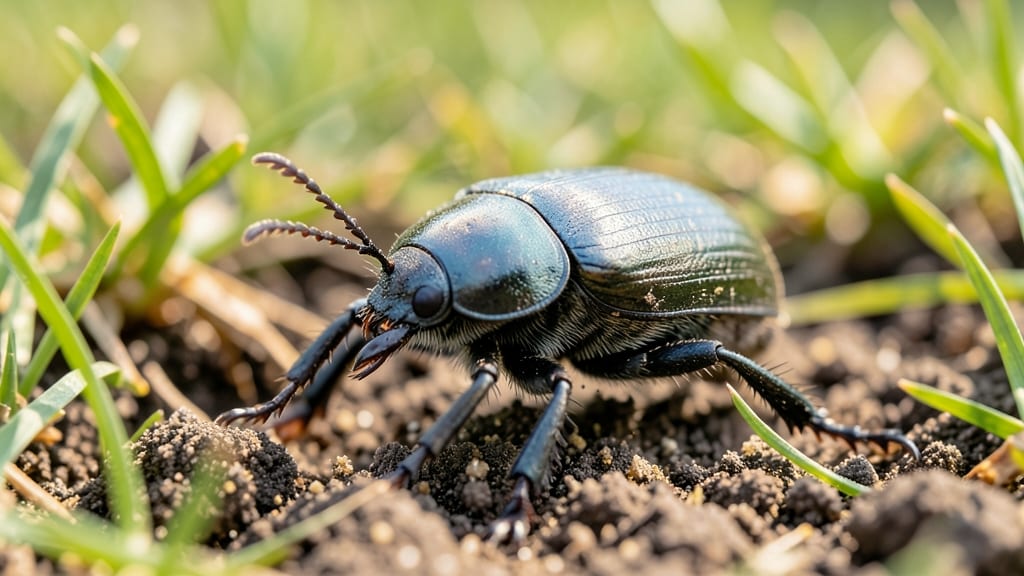
How to get rid of lawn grubs organically when your grass looks like it’s been chewed up by a swarm of tiny pests? 🌱 The neem oil and diatomaceous earth combo works where chemicals fail—without harming your kids, pets, or the soil. I’ve used this exact method to rescue three lawns from brown patches that looked like a golf course gone wrong. The secret isn’t fancy equipment—just timing, proper application, and a little patience. You’ll need neem oil (1 tablespoon per gallon of water) and food-grade diatomaceous earth (sprinkled lightly after watering). Together, they smother grubs while feeding beneficial microbes. Most people give up after one treatment, but consistency is key—repeat every 2-3 weeks until the grubs are gone. By late summer, your lawn will bounce back with vibrant green grass and no more mysterious brown spots. The best part? You’re not just killing pests—you’re building a healthier soil ecosystem that keeps grubs away for good. Works for any lawn size, from small backyards to large properties. Let’s get those grubs gone for good—without the harsh chemicals.
Root Causes of Lawn Grubs
Lawn grubs—those squirming, C-shaped larvae of beetles—can turn your lush green grass into a brown, spongy mess if left unchecked. But why do they suddenly become a problem? The answer lies in a mix of environmental conditions, lawn care habits, and natural life cycles.
Understanding these triggers is the first step to preventing (and treating) an infestation before it spirals out of control.
Grubs thrive in lawns that are too moist and nutrient-rich—almost like an all-you-can-eat buffet for pests. Here’s why:
- Excess moisture: Grubs need damp soil to survive, especially during their larval stage. Overwatering (or poor drainage) creates the perfect humid microclimate. Fun fact: Some species, like the Japanese beetle grub, can even drown in saturated soil, but they’ll still reproduce if conditions improve later.
- Rich organic matter: Fertilizers high in nitrogen (like quick-release lawn foods) supercharge grass growth—but also feed grubs. Think of it like this: Your lawn is a salad bar, and grubs are the hungry customers. Too much fertilizer = more grubs.
- Thatch buildup: A thick thatch layer (that spongy layer between soil and grass) traps moisture and organic debris, creating a cozy hideout for grubs. USDA studies show that lawns with >0.5 inches of thatch are 3x more likely to host grub populations.
💡 Pro Tip: If your lawn feels squishy underfoot or you’re watering daily, you’re likely creating a grub paradise. Aim for 1 inch of water per week (including rain) and use slow-release fertilizers to avoid overfeeding.
Grubs don’t just appear—they’re the offspring of beetles that land in your lawn. The most common culprits include:
| Beetle Type | Active Season | Egg-Laying Hotspots |
|---|---|---|
| Japanese Beetle | June–August | Grassy areas, especially near flowers or roses (adults feed on foliage first). |
| June Bug | May–July | Lawns with thin grass or bare soil (they prefer loose, sandy areas). |
| Masked Chafer | July–September | Well-manicured lawns with dense turf (they target high-maintenance yards). |
Adult beetles don’t just drop eggs randomly—they scout for healthy, lush grass. If your lawn is thriving (thanks to your efforts!), it’s also a beacon for beetles. Eggs hatch into grubs in 10–14 days, and within months, they’re munching on roots, weakening your grass.
🌡️ Key Trigger: Warm, humid nights (70–80°F) signal beetles to start laying eggs. If you notice swarms of beetles in late summer, act fast—grubs will follow.
Grubs are cold-blooded, meaning their activity levels rise with temperature. Here’s how climate plays a role:
- Spring & Fall peaks: Grubs hatch in late spring (after beetles lay eggs) and pupate in early fall. If your area has mild winters, they may survive longer, extending the damage window.
- Drought followed by rain: A dry spell hardens soil, making it easier for beetles to lay eggs. Then, when rain returns, the eggs hydrate and hatch—boom, instant grub buffet.
- Southern vs. Northern lawns:
- South: Grubs thrive year-round in warm climates (e.g., Texas, Florida).
- North: Infestations peak in July–August but may die off in frost.
🎯 Actionable Insight: If you live in a region with hot, humid summers, grubs are likely your year-round nemesis. Monitor your lawn in May and September—these are the sweet spots for early intervention.
A weak lawn is like an open invitation for grubs. Here’s why they target struggling grass:
- Thin or patchy grass: Grubs prefer areas where roots are shallow or missing. They’ll munch on the few roots available, accelerating die-off.
- Compacted soil: Heavy foot traffic or clay soil compresses roots, making them easier for grubs to chew through. Science note: Compacted soil reduces oxygen, stressing grass and making it more attractive to beetles for egg-laying.
- Recent construction or soil disturbance: Newly seeded lawns or areas with exposed soil (like after aeration) are grub magnets. Beetles detect disturbed soil and lay eggs there first.
🔥 Red Flag: If your lawn has irregular brown patches that pull up easily (like a carpet), grubs are likely the culprit. Test it: Lift a small section of sod—if you see white, C-shaped larvae, you’ve got grubs.
💡 Remember: Grubs don’t choose your lawn out of spite—they’re following science. By addressing moisture, beetle activity, weather patterns, and lawn health, you can break the cycle before they become a full-blown infestation. Stay tuned for organic solutions to kick them out for good!
Natural Ways to Eliminate Lawn Grubs
Now that you understand why grubs invade your lawn, let’s tackle how to get rid of them organically—without harsh chemicals. The key is a multi-pronged approach that disrupts their life cycle while strengthening your grass’s resilience.
Below, we’ve mapped out targeted solutions based on the root causes (overwatering, poor drainage, thatch buildup, or weak grass) and paired them with prevention tips to keep grubs from returning.
Problem: Excess moisture creates the perfect breeding ground for grubs, while soggy soil weakens grass roots, making them easier prey.
Solution:
- Adjust Your Watering Schedule 💧
- Water deeply 2–3 times per week (early morning) instead of daily light sprinkles. Aim for 1–1.5 inches per week (check with a rain gauge or tuna can).
- Test drainage: Dig a 12-inch hole, fill it with water, and time how long it takes to drain. If it’s slower than 6 hours, amend the soil (see below).
- Improve Soil Drainage 🏗️ - Aerate compacted soil in early fall (before grubs hatch) using a core aerator. This loosens the thatch layer and allows water to penetrate. - Add organic matter: Mix in 2–3 inches of compost or sand (50/50 blend) to heavy clay soils.
Avoid pure sand—it can worsen drainage long-term.
- Redirect Water Away from Lawn Edges 🌧️
- Install French drains or swales (shallow trenches) to divert water from low-lying areas where grubs thrive.
💡 Prevention Tip:
- Mulch properly: Use 2–3 inches of shredded wood mulch around garden beds (not lawns) to retain moisture there—not on your grass.
Problem: A thick thatch layer (½ inch or more) traps moisture and organic debris, creating a cozy home for grubs.
Solution:
- Dethatch in Early Fall 🪓
- Rent a vertical mower or thatche cutter and set it to ¼-inch depth to slice through the thatch without scalping the grass.
- Best time: Late summer to early fall (before grubs lay eggs).
- Use a Lawn Rake for Small Areas 👨🍳
- For patches under 10 sq ft, drag a bow rake (tines facing backward) to pull up thatch. Collect debris and compost it.
- Encourage Beneficial Microbes 🦠
- Spread compost tea or a mycorrhizal fungus (like EndoMycorrhiza) to break down thatch naturally over time.
💡 Prevention Tip:
- Mow high (3–4 inches) to reduce thatch accumulation. Tall grass shades the soil, slowing organic buildup.
Problem: Thin or stressed grass can’t outcompete grubs for nutrients, leading to more damage.
Solution:
- Overseed Bare Spots 🌱
- Best time: Late summer or early fall. Choose grub-resistant grass seeds like:
- Tall fescue (drought-tolerant)
- Perennial ryegrass (fast-growing)
- Fine fescue (shade-loving)
- How to overseed:
- Mow low (1 inch), rake to loosen soil, spread seed, and top with ¼ inch of compost.
- Water lightly daily for 2–3 weeks.
- Best time: Late summer or early fall. Choose grub-resistant grass seeds like:
- Fertilize Smartly 🌿
- Avoid high-nitrogen fertilizers in late summer (grubs love fresh growth). Instead:
- Use a balanced 10-10-10 or organic fertilizer (like alfalfa meal or bone meal) in early spring or fall.
- Stop fertilizing 6 weeks before winter to let grass harden off.
- Avoid high-nitrogen fertilizers in late summer (grubs love fresh growth). Instead:
- Apply Beneficial Nematodes 🐛✨
- How it works: Microscopic Steinernema carpocapsae nematodes paralyze and kill grubs without harming plants.
- When to apply: Late spring to early summer (when grubs are young larvae).
- How to use:
- Mix 1–2 lbs of nematodes per 1,000 sq ft with water in a sprayer.
- Apply evening or cloudy days (they die in UV light).
- Water lightly after application to help them move into the soil.
💡 Prevention Tip:
- Aerate annually to improve root health and reduce grub hiding spots.
Now for the direct solutions to kill existing grubs using neem oil + diatomaceous earth (the dynamic duo of organic pest control).
1. Neem Oil Spray (Disrupts Feeding & Egg-Laying) 🌿
Best for: Preventing egg-laying and starving larvae. When to use: Early summer (June–July) when adult beetles emerge.
How to Apply:
- Mix neem oil concentrate:
- 1 tbsp neem oil + 1 tsp mild soap (as an emulsifier) + 1 gallon water.
- Stir well and pour into a sprayer bottle.
- Spray thoroughly:
- Focus on lawn edges, garden beds, and areas with thin grass.
- Apply every 2–3 weeks during beetle season (June–August).
- Reapply after rain (neem washes off).
Why it works:
- Neem oil contains azadirachtin, which disrupts grubs’ hormones, preventing them from molting.
- It also repels adult Japanese beetles (the grubs’ parents).
⚠️ Caution:
- Avoid spraying on hot days (can burn grass).
- Harvest veggies 7 days after application (if used in gardens).
2. Diatomaceous Earth (DE) Dust (Kills Larvae on Contact) 🦠
Best for: Active grub infestations (late summer/fall when larvae are feeding). When to use: August–September (when grubs are 1–2 inches long).
How to Apply:
- Choose food-grade DE (not pool-grade—it’s toxic!).
- Apply dry or in water:
- Dry method: Sprinkle ½ cup per 10 sq ft over the lawn using a dust spreader or by hand.
- Wet method: Mix 1 cup DE + 1 gallon water, spray, and water lightly to help it stick.
- Reapply after rain (DE loses potency when wet).
- Water lightly 24 hours later to activate DE’s sharp edges (they cut grubs’ exoskeletons).
Why it works:
- DE is made of fossilized algae with microscopic glass-like particles that pierce grubs’ waxy outer layer, causing dehydration.
- Safe for pets/kids once settled (just avoid inhaling dust).
💡 Pro Tip:
- Combine with nematodes for a 1-2-3 punch: Neem oil (prevents eggs), nematodes (kill larvae), and DE (extra insurance).
To maximize effectiveness, time your treatments based on grub development:
| Stage | When It Happens | Best Organic Treatment |
|---|---|---|
| Adult Beetles | June–August (evenings) | Neem oil spray (repels beetles) |
| Eggs | July–August | Neem oil + beneficial nematodes |
| Larvae (1st instar) | August–September | Diatomaceous earth + nematodes |
| Mature Larvae | September–October | Hand-pick (if few) or DE reapply |
- Mow high (3–4 inches) to shade soil and deter beetles
Frequently asked questions about organic lawn grub control
How do I know if my lawn has grubs instead of other pests?
Look for irregular brown patches that pull up easily (like sod lifting) and check for white, C-shaped larvae when you dig up a small section. Grubs also attract animals like skunks or raccoons digging in your yard—another red flag! Compare with other pests like chinch bugs (tiny black bugs) or fungal issues (mushrooms).
Can I use neem oil and diatomaceous earth together?
Yes! Apply neem oil spray first (June–July) to repel adult beetles, then use diatomaceous earth (August–September) when grubs are active larvae. For best results, add beneficial nematodes in between—this creates a 3-step organic defense system that attacks grubs at every life stage.
Will my pets or kids be safe around diatomaceous earth?
Food-grade diatomaceous earth is non-toxic once settled into the lawn, but avoid inhaling the dust (wear a mask when applying). Keep pets off treated areas for 24 hours and wash their paws afterward. Always use the food-grade version—never pool-grade, which is toxic.
How often should I reapply organic treatments?
Neem oil needs every 2–3 weeks during beetle season (June–August), while diatomaceous earth should be reapplied after rain or every 4–6 weeks for active infestations. Beneficial nematodes only require one application per season (late spring/early summer). Consistency is key—grubs reproduce quickly!
What's the fastest way to fix a severe grub infestation?
For immediate relief, combine hand-picking grubs (lift sod and remove larvae) with a neem oil + nematode treatment. Then overseed bare spots with tall fescue and adjust watering to 1 inch per week. This 3-step approach tackles the problem at all levels while restoring your lawn's health.