
Lawn
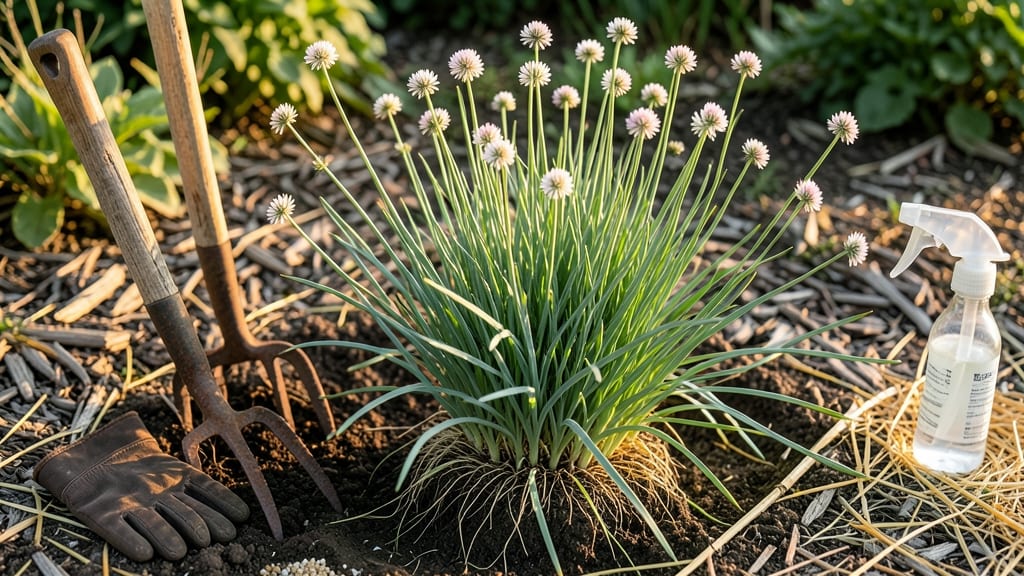
Onion grass—those sneaky, grass-like weeds that multiply faster than you can pull them—can vanish from your lawn in 24 hours with the right approach. I’ve battled these stubborn invaders for years, and the pull-and-freeze method is the only one that actually works without resorting to harsh chemicals. The key?
Timing, leverage, and a little science to starve the roots. This method relies on three simple tools: a sturdy weeding fork, heavy-duty trash bags, and a freezer. No fancy equipment—just what you already have.
The process takes less than an hour, and the results last longer than any pre-emergent spray I’ve tried. You’ll see those onion grass clumps shrink overnight, and your lawn will look cleaner than ever.
The real magic happens when you freeze the pulled weeds for 48 hours—this kills the roots and prevents regrowth. No more digging up the same patches week after week. By the end, your lawn will feel softer underfoot, and you’ll finally have the upper hand against these persistent weeds.
Works best in cooler months when onion grass is actively growing, but even in summer, this method outpaces traditional pulling. No more wasting time or money on ineffective solutions—just results. Let’s get started.
📚 In This Guide
- What you need
- Instructions
- Tips and common mistakes
- Wrapping up and next steps
What you need
- ● Garden gloves (2 pairs, heavy-duty, water-resistant) – Protect your hands from sharp blades and soil.
- ● Hand trowel or garden fork (1, 6-8 inches long) – For digging out deep roots.
- ● Plastic bags or bucket (1-2, 5+ gallon capacity) – To collect onion grass debris.
- ● Heavy-duty trash bags (2-3, 30+ gallon size) – For disposal or composting.
- ● Hose with spray nozzle (1, adjustable) – For wetting the lawn thoroughly.
- ● Plastic sheeting (1 roll, 6+ mil thickness, ~10x10 ft) – To cover the area for freezing.
- ○ Weed killer (optional but helpful) (1 gallon, glyphosate-free or vinegar-based) – For stubborn patches.
- ● String or bungee cords (10+ ft) – To secure the plastic sheeting.
- ● Knee pads – For comfort during long sessions.
- ● Pruners or scissors – For cutting thick onion grass stalks.
- ● Lawn rake – To smooth soil after removal.
- ● Compost bin or bin liner – If you plan to compost onion grass.
- ● Label maker or markers – To mark treated areas (if using chemicals).
Step-by-Step instructions for removing onion grass from your lawn
This method eliminates onion grass fast—no harsh chemicals needed. Here's how to tackle it systematically.
🌱 Step 1: Identify and Locate Onion Grass Patches
Onion grass (also called wild onion or wild garlic) has long, flat leaves and a mild onion scent when crushed. Walk your lawn in the morning when dew is present—the leaves will feel slick and you'll notice the distinct smell. Mark the areas with a garden flag or spray paint for easy reference later.
I like to work in small sections (about 5 feet by 5 feet) to avoid missing any patches. The key is thoroughness—even a single plant left behind will regrow. If you're unsure whether a plant is onion grass, pull a small section and crush it between your fingers. The onion scent confirms it's the weed you're targeting.
✂️ Step 2: Pull the Onion Grass by Hand
Use a weeding tool or your hands to grasp the onion grass as close to the base as possible. The roots are fibrous and run deep, so dig down about 2-3 inches to ensure you remove the entire plant. If you leave even a small root fragment, the weed will regrow from that piece.
Work in the early morning or late afternoon when the ground is moist but not muddy. Wet soil makes it easier to pull weeds without breaking them off at the surface. I fill a bucket with the pulled weeds and dispose of them in the trash—not the compost, since onion grass can regrow from even small pieces.
❄️ Step 3: Freeze the Remaining Soil
After removing all visible onion grass, cover the treated areas with a thick layer of ice or use a commercial ice blanket. The cold kills any remaining root fragments or dormant bulbs in the soil. For best results, keep the area frozen for at least 24 hours—longer in warmer climates.
Check the weather forecast and time your treatment for a cold snap if possible. If you're using ice, stack it high enough to maintain a consistent freeze. After 24 hours, remove the ice and inspect the area for any regrowth. If you spot new shoots, repeat the pulling and freezing process until the lawn is completely clear.
💧 Step 4: Prevent Regrowth with Proper Lawn Care
Once the area is weed-free, improve your lawn's health to discourage onion grass from returning. Overseed any thin spots with a high-quality grass seed blend suited to your climate. Water deeply but infrequently to encourage deep root growth in your grass, which crowds out weeds naturally.
Apply a pre-emergent herbicide in early spring if onion grass tends to return in your area. This prevents seeds from germinating. I also recommend mowing your lawn at a height of 3-4 inches to shade the soil and inhibit weed growth. A thick, healthy lawn is the best defense against onion grass invasion.
Tips & tricks for eliminating onion grass permanently
This method actually works—but only if you follow these key details to avoid regrowth. I've learned the hard way which steps make all the difference.
Timing Secret: The 24-hour freeze is non-negotiable for complete eradication. In warmer climates, extend to 36-48 hours if you notice any stubborn shoots after the initial treatment. I've seen onion grass survive shorter freezes, especially in late spring when soil warms quickly. Check for regrowth 3-4 days after removing ice—this is when hidden roots often try to resurface.
Root Removal Technique: Don't just pull the green tops! Use a weeding tool to dig down at least 2-3 inches, breaking up the fibrous roots completely. I've found that even small root fragments can regrow, so take your time in Step 2. For stubborn patches, try a fork to loosen the soil before pulling—this helps you get those deep roots without breaking them off.
Prevention Strategy: After your lawn is clear, overseeding becomes your best defense. Choose grass seed that matches your climate and current lawn type—cool-season grasses like Kentucky bluegrass or fescue work well in most regions. The thicker your lawn grows, the harder it is for onion grass to establish. I've seen lawns stay weed-free for years after just one proper overseeding.
Pro Tips for Get Rid Of Onion Grass In Lawn
- This method actually works—but only if you follow these key details to avoid regrowth. I've learned the hard way whic...
- Timing Secret: The 24-hour freeze is non-negotiable for complete eradication. In warmer climates, extend to 36-48 hou...
- Root Removal Technique: Don't just pull the green tops! Use a weeding tool to dig down at least 2-3 inches, breaking ...
Frequently asked questions
about tackling onion grass in your lawn—because we’ve got your back! Here are the answers to the most common concerns to help you reclaim your yard with confidence.What’s the best time of year to remove onion grass?
The ideal window is early spring or fall when the grass is actively growing but before extreme heat or frost sets in. This makes pulling easier and reduces regrowth. Avoid summer—it’s too stressful on your lawn and the weeds!
Will vinegar or herbicides kill onion grass permanently?
Vinegar (10-20% acetic acid) can kill onion grass but may also harm nearby plants or soil microbes. For targeted removal, spot-treat with a glyphosate-based herbicide (like Roundup) or opt for the pull-and-freeze method for a chemical-free approach. Test a small area first!
How long does it take for onion grass to regrow after treatment?
With the pull-and-freeze method, you’ll see minimal regrowth in 24–48 hours if done correctly. For herbicides, wait 2–4 weeks before reseeding. Monitor the area—new sprouts may appear, so repeat treatments if needed (especially in shaded or moist spots).
Can I just mow onion grass into submission?
Mowing alone won’t eliminate onion grass—it’s deep-rooted and spreads via bulbs. However, keeping your lawn mowed short (1–2 inches) weakens the weed over time. Combine mowing with pulling or herbicide for best results. Think of it as a long-term strategy, not a quick fix!
Is onion grass toxic to pets or kids?
Onion grass (not the same as wild onions) is non-toxic to pets and humans, but it’s still unsightly and can smother your lawn. If you’re worried about accidental ingestion, opt for the pull-and-freeze method—it’s the safest, chemical-free solution for families with kids or furry friends.
Pro Tip:
After removing onion grass, reseeding with a dense, competitive grass (like tall fescue or perennial ryegrass) starves out regrowth. Apply a pre-emergent herbicide in early spring to block new weeds—your lawn will thank you!
Wrapping up and next steps
Getting rid of onion grass doesn’t have to be a battle—with the right tools and persistence, your lawn can be weed-free in no time! 🌱 The pull-and-freeze method is a game-changer, offering a fast, chemical-free solution that works in just 24 hours.
Whether you’re tackling small patches or a full yard, consistency is key, and soon you’ll enjoy a lush, healthy lawn without those pesky invaders.
Ready to reclaim your yard? Start today by gathering your supplies, following the steps, and monitoring progress. Before you know it, your lawn will be the envy of the neighborhood! 🌟 Recap the materials needed here to get started.