
Lawn
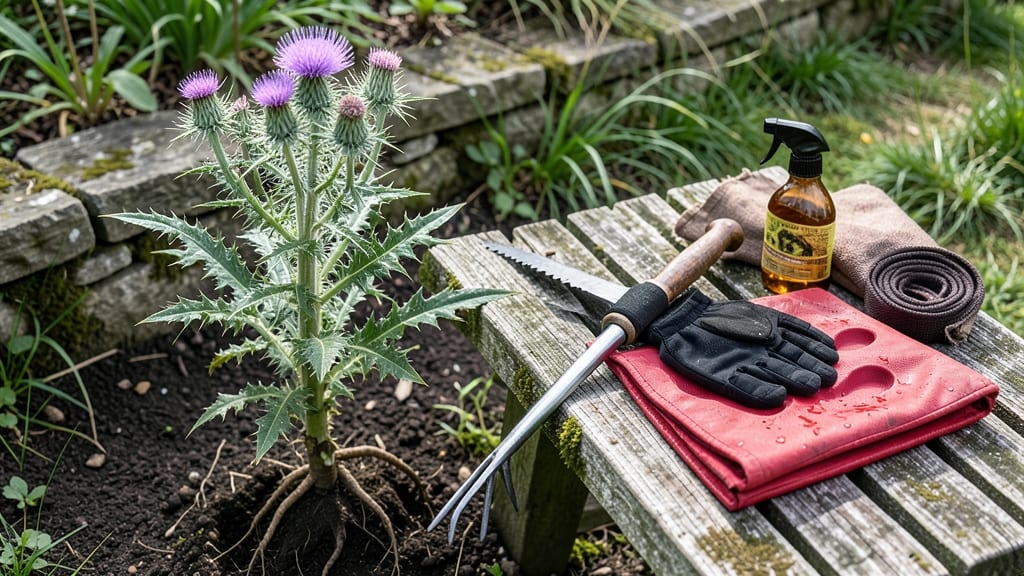
Thistles in your lawn are like stubborn weeds that refuse to leave—until you know the right moves. 🌱 I’ve wrestled with these spiky invaders for years, and the secret isn’t brute force but strategy: timing, tools, and a little elbow grease.
The good news? You can banish them for good in just three focused steps, without resorting to harsh chemicals if you don’t want to.
First, grab the right gear: a sturdy dandelion digger (or a long-handled weeding tool), gloves to protect your hands, and a sharp knife for slicing through thick roots.
The best time to strike is early spring or fall, when thistles are young and their roots are shallow—easier to pull out completely. Miss this window, and you’ll be fighting a deeper, more stubborn enemy.
What you’ll end up with is a lawn that’s not just thistle-free but healthier overall. Dense grass crowds out weeds naturally, so after removal, focus on overseeding bare spots and keeping your turf thick. The payoff? No more prickly surprises when you’re mowing or letting the kids play.
This method works for any lawn size, from small patches to entire yards. And the best part? Once you’ve mastered the technique, you’ll spot thistles before they take hold—and squash them early. Let’s get started!
📚 In This Guide
- What you need
- Instructions
- Tips and common mistakes
- Wrapping up and next steps
What you need
- ● Hand trowel or garden fork: A sturdy, 6- to 8-inch model for digging deep roots (1-2 required).
- ● Gloves: Heavy-duty, chemical-resistant gloves (1 pair) to protect your hands from prickles and herbicides.
- ● Garden shears or pruners: Sharp, bypass-pruning shears (1 pair) for clean cuts.
- ● Lawn herbicide (selective or non-selective): Glyphosate-based (e.g., Roundup): For non-selective control (1 gallon or ready-to-use spray bottle).
- ● 2,4-D or dicamba (e.g., Ortho Weed B Gon): For selective control (1 quart or as directed).
- ● Spray bottle or garden sprayer: A 1- to 2-gallon pump sprayer (1 unit) for even coverage.
- ● Mulch or grass seed: Organic mulch (e.g., straw or wood chips) or high-quality grass seed (5-10 lbs) for post-treatment lawn repair.
- ● Vinegar (20-30% acetic acid): Natural herbicide alternative (1 gallon + 1 oz dish soap for adhesion).
- ● Boiling water: For spot treatments on small patches (1-2 gallons in a kettle or watering can).
- ● Lawn roller: To firm soil after reseeding (rent or borrow if needed).
- ● Safety goggles: For extra protection when handling herbicides.
- ● Weed barrier fabric: To prevent regrowth in high-risk areas (1 roll, 3’ x 50’).
How to permanently remove thistles from your lawn
Thistles are tough, but these proven methods make removal simple and effective.
🌱 Step 1: Identify and Cut at the Right Time
Thistles thrive when they're established, so timing matters. Wait until the plant is in full bloom—you'll recognize it by the purple flowers and spiky leaves. Grab a pair of heavy-duty gardening gloves and a sharp pruning shears or bolt cutters (thistle spines pierce through regular scissors).
Cut the thistle as close to the ground as possible, but don't dig yet. The goal is to weaken the root system by removing its energy source. I like to do this on a dry day when the soil is firm—wet ground makes the plant harder to grip and increases the chance of spreading seeds.
✂️ Step 2: Dig Out the Entire Root System
After cutting, wait a few days to let the plant dry out completely. Then, use a garden fork or trowel to dig around the base, working the soil until you can lift the entire root system. Thistle roots can grow 3-4 feet deep, so you'll need to dig deeper than you think. Look for white, fibrous roots—any piece left behind will regrow.
Pull upward with steady pressure. If the root breaks, you'll know because the top will wilt immediately. Remove all visible root fragments from the soil and dispose of them in a sealed trash bag (never compost thistles—they'll sprout again).
💧 Step 3: Prevent Regrowth with Vinegar or Salt
Thistles hate competition, so smother the area with 2-3 inches of mulch (straw or cardboard works best). This blocks sunlight and prevents new seeds from germinating. For stubborn spots, spray a 50/50 vinegar-water mix directly on the soil where the thistle grew—vinegar's acidity kills remaining roots and discourages regrowth.
If you prefer a natural approach, sprinkle coarse salt over the area (avoid this near desirable plants—salt alters soil chemistry). Water the spot lightly to activate the treatment. Repeat this process every 2-3 weeks for 3 months to ensure no new thistles emerge.
☀️ Step 4: Maintain a Healthy Lawn to Stop Recurrence
Thistles move into weak lawns, so focus on mowing high (3-4 inches), watering deeply (1-2 inches per week), and fertilizing regularly. A thick, healthy lawn crowds out weeds naturally. I also recommend overseeding bare patches in early fall—dense grass leaves no room for thistles to take hold.
Keep an eye out for new thistles in spring and summer. The earlier you catch them, the easier they are to remove. If you see a single rosette (a cluster of leaves without flowers), pull it immediately—it hasn’t established roots yet and comes out like a weed.
Tips & tricks for permanent thistle removal
These battle-tested strategies will help you tackle thistles like a pro—without the frustration.
Timing is Everything: In Step 1, don't rush the cutting process. The full bloom stage is your best window because the plant's energy is concentrated in the top growth, making it easier to weaken the roots. I've found that cutting on a dry, sunny afternoon gives me the firmest grip and reduces seed spread. Pro tip: Wear long sleeves and pants—those spines are sneaky and can pierce through thin fabric.
Root Removal Rescue Strategy: When you reach Step 2, if you hit resistance while digging, don't force it. Step back and use your garden fork to loosen the soil in a circular motion around the base. Thistle roots can branch out unpredictably, so think of this like a game of whack-a-mole—be patient and persistent. I've pulled roots that stretched nearly 4 feet deep; if you see any white root fragments, consider them enemy soldiers—remove every last one or they'll regrow.
Preventative Mulching Mastery: For the mulch application in Step 3, go thicker than you think you need. That 2-3 inch recommendation is a minimum—aim for 3-4 inches if you're dealing with stubborn thistle patches. Cardboard works great, but make sure it's unbleached and free of glossy coatings. The key is complete light blockage; even a tiny gap can let a new thistle sprout. I've seen thistles push through mulch that was only 1 inch thick—don't make that mistake.
Lawn Maintenance Secret: In Step 4, when you're mowing high (3-4 inches), resist the urge to bag your clippings if they're healthy. Those grass clippings act as natural fertilizer and help build that thick carpet that thistles hate. I've noticed that lawns I mow this way need less watering too—it's like giving your grass a built-in drought resistance boost. The denser your lawn gets, the harder it is for thistles to establish themselves.
Pro Tips for Get Rid Of Thistles In Lawn
- These battle-tested strategies will help you tackle thistles like a pro—without the frustration.
- Timing is Everything: In Step 1, don't rush the cutting process.
- Root Removal Rescue Strategy: When you reach Step 2, if you hit resistance while digging, don't force it.
Frequently asked questions
Got questions about tackling thistles? You’re not alone—these pesky weeds can be stubborn! Here are some of the most common concerns and straightforward answers to help you reclaim your lawn with confidence.
How do I know if I’m dealing with thistles or just regular weeds?
Thistles have distinctive spiky leaves and tall, prickly stems topped with purple flowers. Unlike clover or dandelions, they grow fast and can reach 3-5 feet tall. If your lawn has sharp, hairy plants with deep roots, it’s likely thistles—time to act!
Is there a best time of year to remove thistles for good?
The ideal window is early spring or fall when thistles are actively growing but before they seed. Pulling them in summer heat can stress your lawn further, while winter removal risks leaving roots behind. Pro tip: Go after a rain when soil is soft for easier extraction!
What if thistles keep coming back after I pull them?
Persistent thistles often mean roots or seeds are still lurking. Dig 2-3 inches deep to ensure you get the entire root system. For stubborn patches, apply a vinegar-based herbicide (like 1:1 vinegar + dish soap) or re-seed bare spots with dense grass to block regrowth.
Are there natural or chemical-free ways to kill thistles?
Yes! Try these eco-friendly methods:
- Boiling water: Pour directly on the base to scorch roots.
- Corn gluten meal: Sprinkle as a pre-emergent to prevent seeds from sprouting.
- Smothering: Cover thistles with cardboard + mulch for 4-6 weeks.
For large infestations, spot-treat with vinegar (reapply every 3-5 days). Just avoid spraying desirable plants!
How much will it cost to eliminate thistles from my lawn?
Costs vary based on size and method:
Method
Estimated Cost
DIY pulling + vinegar
$5–$20 (for supplies)
Professional herbicide treatment
$100–$300 (per application)
Lawn resodding (for severe cases)
$500–$2,000+
Pro tip: Start small—tackle one section at a time to save money and effort!
Wrapping up and next steps
Getting rid of thistles doesn’t have to be a battle—with the right tools and persistence, you can reclaim your lawn! 🌱 Start by tackling them early, using a mix of manual removal, targeted herbicides, and preventive measures like overseeding.
Remember, consistency is key, so check your lawn regularly and address new growth immediately.
Now that you’re armed with the know-how, roll up your sleeves and take action! Your lush, thistle-free lawn is just a few steps away—happy gardening! 🌿 For extra help, consider sharing your progress with fellow gardeners or exploring local lawn care groups for tips and support.