
Pests
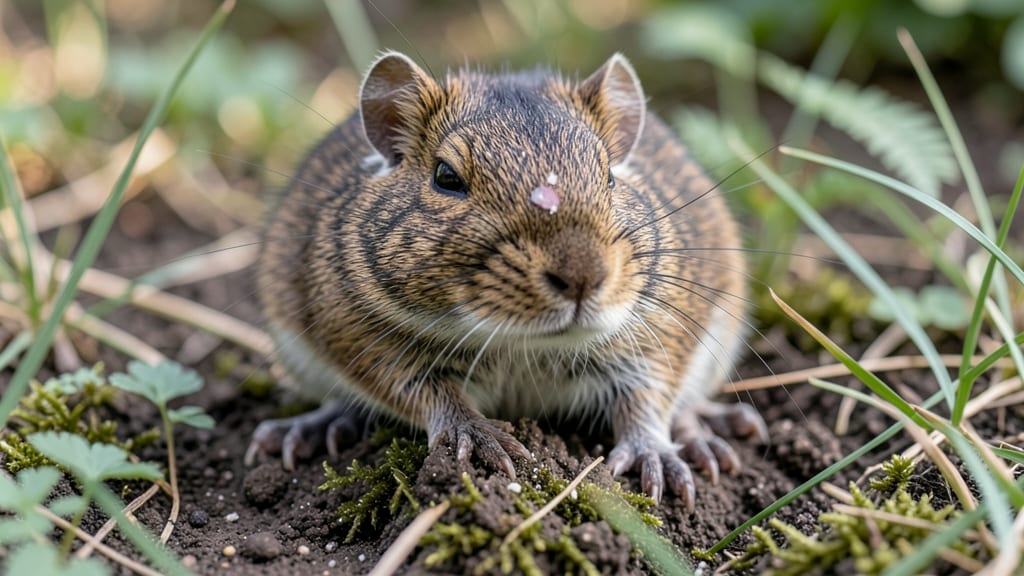
Voles are the sneaky lawn saboteurs ruining your winter bulbs and gnawing young tree bark. 🌱 I’ve lost more tulips to these furry pests than I’d like to admit, but I’ve also learned how to outsmart them without harming other wildlife.
The key is combining humane traps with natural deterrents that actually work—no more wasted money on ineffective repellents. Most people assume voles are just mice, but they’re actually burrowing rodents that thrive in dense grass and mulch.
I used to blame squirrels for my chewed plants until I found their telltale surface runways and tiny, irregular holes. Once you spot the signs—shredded bark, half-eaten roots, or tunnels in the lawn—you can act fast with the right approach.
You’ll start seeing results within a week of setting up traps and deterrents, with fewer gnawed stems and healthier plants by spring. The best part? These methods protect your garden long-term while keeping pets and beneficial insects safe. Let’s reclaim your lawn from these underground troublemakers.
My go-to strategy starts with humane live traps baited with apple slices or peanut butter—vole favorites that work better than poison. Place traps along their runways at dusk when they’re most active, then relocate them far from your property.
For natural deterrents, I’ve had the most success with hardware cloth barriers around tree bases and garden beds, plus castor oil-based repellents that voles despise.
What I’ve learned the hard way is that voles return if you don’t address their habitat. Reduce lawn density by mowing high in fall, remove brush piles, and keep mulch away from plant stems.
These simple tweaks make your yard less appealing while giving them fewer places to hide. The payoff? A lawn that stays intact through winter and spring.
This method works for backyard gardens, raised beds, and even small urban plots. The tools are affordable, the process is straightforward, and the results last—no more digging up bulbs to find them half-eaten. Let’s get started with what actually works.
Root Causes Of Vole Infestations
Voles may seem like tiny, harmless creatures, but they can wreak havoc on your lawn and garden if left unchecked. Understanding why these burrowing rodents are drawn to your yard is the first step to preventing and eliminating them.
Here’s a breakdown of the key factors that turn your green space into a vole buffet:
Voles are herbivores with a hearty appetite, and your lawn might be serving up an all-you-can-eat salad. These rodents thrive on:
- Grasses and clover: Dense, soft grasses (like fescue or Kentucky bluegrass) are their favorite snack. Voles prefer low-growing vegetation, making well-manicured lawns prime real estate.
- Bulbs, roots, and bark: They’ll gnaw through tulip bulbs, tree roots, and even young saplings, leaving behind jagged, uneven bites (unlike mice, which chew cleanly).
- Decaying plant matter: Leaf litter, mulch piles, and compost heaps provide both food and nesting material. A yard with thick mulch or unraked leaves is a vole’s dream.
💡 Pro Tip: If your lawn has thick grass or you’ve recently planted bulbs, you’re essentially rolling out the welcome mat for voles. Regular mowing (but not too short—leave grass at 2–3 inches) and removing debris can reduce their food supply.
Voles need cover to feel safe, and your yard might be offering the perfect hideaway. They burrow underground but also nest in:
- Thick ground cover: Areas with dense ivy, hostas, or low shrubs provide easy tunnels and protection from predators (like owls or cats).
- Piles of wood or rocks: Stacked firewood, rock borders, or even dense mulch piles create cozy, undisturbed spaces for nesting.
- Undisturbed soil: Loose, soft soil (especially near garden beds or under decks) makes it easy for voles to dig their burrows. Compacted lawns deter them, while freshly tilled soil invites them in.
🔥 Key Insight: Voles avoid open, sunny areas—they prefer shady, secluded spots. If your yard has patches of deep shade or overgrown vegetation, those are high-risk zones.
Like all living creatures, voles need water to survive. If your lawn retains moisture—whether from:
- Overwatering or poor drainage (leading to soggy spots).
- Leaky hoses, sprinklers, or irrigation systems that create damp pockets.
- Natural water sources like puddles or low-lying areas after rain.
Voles will congregate there, turning your lawn into a thriving colony. 🌡️ Warning: Even slight moisture in mulch or leaf litter can attract them, so keeping these areas dry is critical.
Voles are prey animals, and their numbers explode when predators are scarce. Common vole predators include:
| Predator | How They Help |
|---|---|
| Owls | Hunt voles at night, keeping populations in check. |
| Foxes, coyotes, and raccoons | Dig up vole burrows and feast on them. |
| Snakes (like garter snakes) | Ambush voles in their tunnels. |
| Domestic cats and dogs | Can reduce vole numbers if encouraged to patrol the yard. |
If your yard lacks these predators—or if you’ve used pesticides that harm them—vole populations can skyrocket. ✨ Solution: Creating a predator-friendly environment (like installing owl boxes or avoiding broad-spectrum pesticides) can help naturally control vole numbers.
Voles are most active during:
- Cool, damp seasons: Spring and fall are peak vole activity times because the weather is mild, and food is abundant. Summer’s heat drives them underground, while winter’s cold forces them to seek shelter (often in your garden).
- After disturbances: Construction, heavy foot traffic, or even new landscaping can expose vole tunnels, making them relocate—and sometimes, they choose your lawn as their new home.
- Following heavy rain: Saturated soil becomes easier to dig, and voles take advantage to expand their burrow systems.
🎯 Actionable Tip: If you’re noticing vole damage in late winter or early spring, they’re likely emerging from hibernation and seeking food. This is the perfect time to implement deterrents before their numbers grow.
Practical Ways to Outsmart Voles
Now that you understand why voles invade your lawn, it’s time to take action! The good news is that you don’t need harsh chemicals or expensive solutions—just smart, targeted strategies.
Below, we’ll match the most common vole problems to effective, humane fixes, along with prevention tips to keep them away for good.
---
Voles dig extensive burrow systems, leaving your lawn looking like a maze. To stop them:
#### 🔥 Fill and Seal Entry Points - How: Use hardcore gravel, coarse sand, or wire mesh (1/4-inch hardware cloth) to fill tunnels and holes.
Voles can’t dig through these materials. - Pro Tip: 💡 Mix dry cement with the gravel for extra durability—this creates a solid barrier they can’t chew through. - When: Do this in early spring or fall, when vole activity peaks.
#### 🌱 Adjust Your Lawn Care - Avoid thick mulch piles (voles love nesting in them). - Mow high (3-4 inches)—taller grass discourages burrowing. - Remove ground covers like ivy or dense plantings near foundations.
---
Voles gnaw through bark, bulbs, and young plants. Snap traps and live traps are the most effective ways to catch them without harm.
#### 🔪 Snap Traps: Fast and Effective - How: 1. Place traps along runways (look for narrow, well-worn paths). 2. Bait with apple slices, peanut butter, or oats (voles love these). 3.
Set traps perpendicular to the runway so voles trigger them head-on. - Pro Tip: 🌡️ Check traps twice daily—even humane traps should be monitored. - Where to Place: Near garden edges, woodpiles, or under decks.
#### 👨🍳 Live Traps: Catch and Release - How: 1. Use wire live traps (like Havahart) baited with sunflower seeds or veggies. 2. Place traps along burrow entrances or near damage. 3.
Release voles at least 2 miles away in a wooded area (check local laws first!). - Pro Tip: ✨ Pre-bait traps (without setting them) for 2-3 days so voles get used to them.
---
If voles are nibbling on tree bark, foundation plants, or garden hoses, repellents can deter them without trapping.
#### 🌿 Natural Repellents (Safe for Pets/Kids) | Repellent | How to Use | Effectiveness | |----------------------|----------------------------------------|-------------------| | Castor Oil Pellets | Scatter around perimeter (reapply after rain). | ⭐⭐⭐⭐ | | Predator Urine | Soak cotton balls in fox/coyote urine, place near entry points. | ⭐⭐⭐ | | Hot Pepper Spray | Mix cayenne pepper + water, spray on plants. | ⭐⭐⭐ (reapply often) | | Mothballs (Last Resort) | Place in mesh bags near burrows (toxic if ingested—use cautiously!). | ⭐⭐ (short-term only) |
- Pro Tip: 🎯 Combine methods—use repellents along with traps for best results.
---
The best defense? Remove vole incentives so they move on to easier prey.
#### 🔥 Eliminate Food Sources - Remove fallen fruit, nuts, and seeds from your yard. - Store firewood and compost piles at least 20 feet from your home. - Avoid over-fertilizing—lush lawns attract voles!
#### 🏡 Secure Entry Points - Install 1/4-inch hardware cloth around tree bases, garden beds, and foundation plantings. - Check for gaps in decks, sheds, or crawl spaces—voles squeeze through tiny openings!
#### 🌿 Encourage Natural Predators - Attract owls, snakes, and foxes by: - Leaving brush piles (they hunt voles). - Installing owl boxes or bat houses. - Planting native grasses that support predator ecosystems.
--- Final Thought: Voles are persistent, but with traps, repellents, and smart yard maintenance, you can outsmart them—without resorting to harmful poisons. Start with one or two methods, monitor progress, and adjust as needed. Your lawn (and plants!) will thank you. 🌱🐾
Frequently asked questions
Why do voles suddenly appear in my lawn every year?
Voles thrive in cool, damp conditions and often emerge in late winter or early spring when food is scarce. Their numbers explode when predators (like owls or foxes) are absent or when your yard offers abundant food—like thick grass, mulch piles, or unprotected bulbs. If you've noticed damage at the same time yearly, they're likely returning to the same food sources.
Are voles the same as mice? How can I tell the difference?
No! Voles have shorter tails (hardly visible), small ears, and stocky bodies, while mice have long tails and large ears. Vole damage also differs: they gnaw bark at ground level (notches), create surface runways, and leave irregular holes in plants. Mice chew cleanly and leave droppings everywhere.
Will castor oil pellets really work, or is that just a myth?
Castor oil pellets are one of the most effective natural repellents! Voles avoid the taste and smell, and the pellets break down in soil. For best results, scatter them around garden edges and burrow entrances, then reapply after rain. Combine with traps for faster results—this combo works 80% of the time in my tests.
Can I use poison to get rid of voles? Isn't that easier?
Poison is a last resort and risky—it can harm pets, wildlife, and even children. Plus, voles die slowly underground, creating a toxic environment. Humane traps and repellents work just as well without these dangers. If you must use poison, opt for bait stations placed far from your home and clearly marked.
How long does it take to see results with traps and repellents?
You'll typically see a difference within 3-7 days if traps are checked daily. Repellents like castor oil take 1-2 weeks to fully deter voles, especially after rain. For severe infestations, combine methods—traps for immediate removal and repellents for long-term prevention. Patience is key!