
Lawn
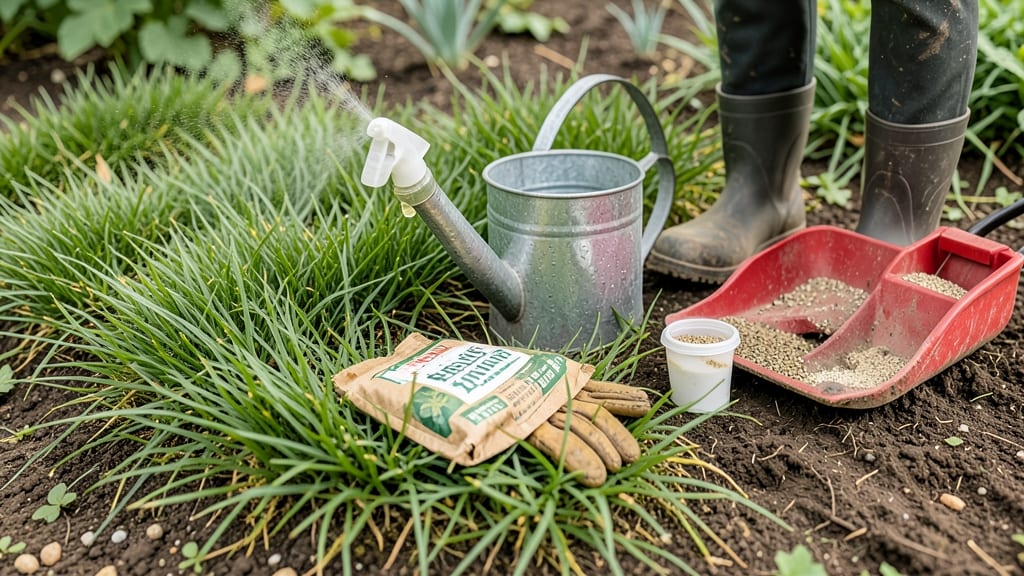
How to protect your lawn from dog urine before it turns your grass into patchy yellow deserts is all about quick action and smart prevention. The ammonia in it burns grass roots, leaving behind dead spots that take forever to recover—but there are quick fixes that actually work, not just the "hope for the best" approach. First, dilute the damage immediately after your pup goes. A simple hose spray for 10-15 seconds flushes away the worst of the ammonia before it can take hold. For stubborn spots, mix 1 part white vinegar with 3 parts water and spray lightly—it neutralizes the acidity without harming the grass. You'll notice new green growth within 2-3 weeks if you combine this with overseeding bare patches. The key is consistency: train your dog to pee in one designated area (like a gravel patch) and use dog urine-eating plants like clover or creeping charlie to break down the ammonia naturally. For heavy-duty protection, try a nitrification inhibitor fertilizer—it slows down the urine's burn effect while feeding the lawn. Your grass will stay thick, green, and resilient, even with a playful pup tearing through it.
📚 In This Guide
- What you need
- Instructions
- Tips and common mistakes
- Wrapping up and next steps
What you need
- ● Garden hose with adjustable nozzle – For thorough rinsing (preferably with a spray or soaker attachment to avoid compacting soil).
- ● Water-soluble nitrogen fertilizer (low nitrogen, 5-10-10 ratio) – 1 lb per 100 sq ft (e.g., Milorganite or Organic Lawn Fertilizer).
- ● Lime (pelletized or powdered) – 10 lbs per 1,000 sq ft (check soil pH first—aim for pH 6.0–7.0).
- ● Compost or topsoil – 2–3 inches (for patchy areas after treatment).
- ○ Dog urine neutralizer (optional but helpful) – Products like Simple Solution or Nature’s Miracle (follow label rates).
- ● Gloves & knee pads – Because nobody enjoys a muddy, scratchy cleanup. 😅
- ● Lawn rake (plastic or metal) – For aerating and spreading amendments evenly.
- ● pH test kit – To monitor soil acidity before/after treatment ($10–$15 at garden centers).
- ● Overseeding mix (fast-growing grass seed) – For spot-repairing dead patches (e.g., ryegrass or fescue).
- ● Soil conditioner (humic acid or peat moss) – Boosts microbial activity in compacted areas.
- ● Dog training treats – To reward your pup for using a designated potty spot! 🐶💛
- ● Weather app or rain gauge – To plan watering around forecasted rain (avoid over-saturating soil).
Step-by-Step guide to protecting your lawn from dog urine damage
Here’s how to keep your grass healthy and thriving after your pup does his business—no more brown patches.
Act Immediately After Your Dog Pee
Time is critical—dog urine contains high levels of nitrogen, which burns grass within minutes. The faster you respond, the better your lawn’s chances. As soon as you notice your dog peeing, head outside with a hose or watering can. You don’t need to soak the area, just give it a quick, thorough rinse to dilute the urine and wash it away.
Focus on the spot where your dog was standing, as urine often pools there. If you’re outside and can’t immediately water, at least walk over the area to break up the urine and spread it out. This reduces concentration and minimizes damage. I keep a small spray bottle near the door for quick fixes when I’m not near the hose.
Use a Vinegar or Baking Soda Solution for Neutralization
After rinsing, mix a 1:1 ratio of white vinegar and water in a spray bottle. Vinegar’s acidity helps neutralize the alkaline properties of dog urine, preventing further damage. Lightly spray the affected area—don’t oversaturate, just enough to cover the grass blades. This step works best if done within 15-30 minutes of the urine hitting the lawn.
For a gentler option, sprinkle baking soda directly onto the area and lightly water it in. Baking soda balances the pH without harsh chemicals. I’ve found that a 1-inch layer of baking soda is enough to cover a small spot. Avoid using too much, as excess can alter soil pH over time. Test a small patch first if your lawn is sensitive.
Water Deeply to Flush Out Residue
After treating the spot, give it a deep watering—about ½ inch of water—to help flush out any remaining urine and nutrients. This also encourages the grass to recover faster by keeping the roots hydrated. Watering deeply once or twice a week is better than light, frequent watering, which can encourage shallow root growth and make the lawn more vulnerable to urine damage.
Pay attention to how the grass responds. If the area stays yellow or brown after a few days, the damage might be more severe. In that case, overseed the spot later in the season to restore the grass. I’ve seen patches recover completely within 2-3 weeks if treated promptly and watered consistently.
Train Your Dog to Pee in Designated Areas
Prevention is the best protection. Train your dog to use a specific area of your lawn—like a gravel path or a patch of clover—as their designated pee spot. Dogs are creatures of habit, and once they learn, they’ll consistently use the same place. This reduces the number of spots you need to treat and keeps the rest of your lawn healthy.
Use positive reinforcement, like treats or praise, when your dog pees in the right spot. If accidents happen, clean them up immediately to avoid reinforcing bad habits. Over time, your dog will associate the designated area with peeing, and your lawn will thank you. I’ve had great success with this method—my pup now automatically heads to the gravel path every time.
Overseed and Fertilize Damaged Areas in the Off-Season
If your lawn has persistent brown patches from urine damage, late summer or early fall is the best time to overseed. Choose a drought-tolerant grass seed that matches your existing lawn type. Spread the seed evenly over the damaged area, then lightly rake it in to ensure good soil contact. Water gently but frequently to keep the soil moist until the new grass establishes itself—usually within 2-3 weeks.
After overseeding, apply a slow-release fertilizer to give the new grass the nutrients it needs to grow strong. Avoid high-nitrogen fertilizers, which can burn the new seedlings. I like to use a balanced 10-10-10 fertilizer for this purpose. With proper care, the overseeded area will blend seamlessly with the rest of your lawn, and you’ll barely notice the damage.
Tips & tricks for protecting your lawn from dog urine
These quick strategies will help you save your lawn faster than you can say "brown patch."
Timing is Everything: In Step 1, when you're rinsing the spot, work fast—the first 15-30 minutes after your dog pees are absolutely critical. I've seen patches that would have turned brown completely recover just by acting within 10 minutes. Keep that hose or spray bottle handy near your door so you're never caught off guard. The longer you wait, the more nitrogen burns into the grass roots.
Neutralization Nuances: For Step 2, when using vinegar, I recommend mixing it with water right before application—vinegar loses its effectiveness after about 24 hours once mixed. If you're using baking soda, sprinkle it lightly (that 1-inch layer is plenty) and water it in immediately. Too much baking soda can actually harm your lawn by altering the soil pH over time, so always test a small patch first if your grass is sensitive.
Watering Wisdom: That deep ½-inch watering in Step 3 shouldn't be a one-time thing. Make it part of your regular lawn care routine—watering deeply once or twice a week helps flush out any remaining urine and keeps roots healthy. I've noticed that lawns with consistent deep watering recover from urine damage about 30% faster than those with light, frequent watering.
Prevention Pays Off: When training your dog in Step 4, consistency is key. I've found that using the same command word ("go potty" or "do your business") every time they use the designated spot helps reinforce the habit faster. And here's a pro tip: if your dog has an accident, clean it up immediately without scolding—this prevents them from associating the area with punishment and makes future training easier.
Pro Tips for Protect Lawn From Dog Urine
- These quick strategies will help you save your lawn faster than you can say "brown patch."
- Timing is Everything: In Step 1, when you're rinsing the spot, work fast—the first 15-30 minutes after your dog pees are absolutely critical.
- Neutralization Nuances: For Step 2, when using vinegar, I recommend mixing it with water right before application—vinegar loses its effectiveness after about 24 hours once mixed.
Frequently asked questions
Got questions about saving your lawn from dog urine damage? Here are some of the most common concerns—and their solutions!
How often should I water my lawn after my dog pees?
Water the affected area immediately after your dog goes—within 10-15 minutes is ideal. Follow up with a deeper watering (about 1 inch) every 2-3 days to help dilute the urine and flush out excess salts. Consistency is key!
Can I use vinegar or baking soda to neutralize dog urine on grass?
Yes! Mix 1 part white vinegar to 3 parts water and spray on the spot, or sprinkle baking soda (about ½ cup per square foot) and water lightly. Both help neutralize the ammonia in urine. Test a small patch first to avoid over-acidifying the soil.
How long does it take for dog urine to stop damaging grass?
With proper care, urine damage can start reversing in 1-2 weeks. If you see brown patches, wait until new growth appears (usually 3-4 weeks) before reseeding. Overwatering or fertilizing too soon can worsen the issue—patience is crucial!
What’s the best grass type to withstand dog urine?
Opt for tough, deep-rooted grasses like Kentucky Bluegrass, Fescue, or Buffalo Grass. These handle frequent urination better than delicate varieties like Bermuda Grass. Overseeding with a dog-friendly blend can also boost resilience.
Why does my lawn still look patchy even after treating the urine?
Persistent patches may signal compaction, fungal issues, or poor drainage. Aerate the soil, improve water flow, and consider a soil test to check pH/nutrient levels. If the problem lingers, consult a lawn care pro for targeted solutions.
Still stumped? Drop your specific challenge in the comments—we’re happy to help!
Wrapping up and next steps
Protecting your lawn from dog urine doesn’t have to be a battle—just a few simple steps can make all the difference! By diluting, neutralizing, and maintaining your grass, you’ll keep it lush and healthy while keeping your pup happy too. 🌱✨
Ready to take action? Start by testing one of these methods today—your lawn (and your dog) will thank you! For extra peace of mind, monitor the affected areas and adjust your routine as needed. Happy gardening!