
How To
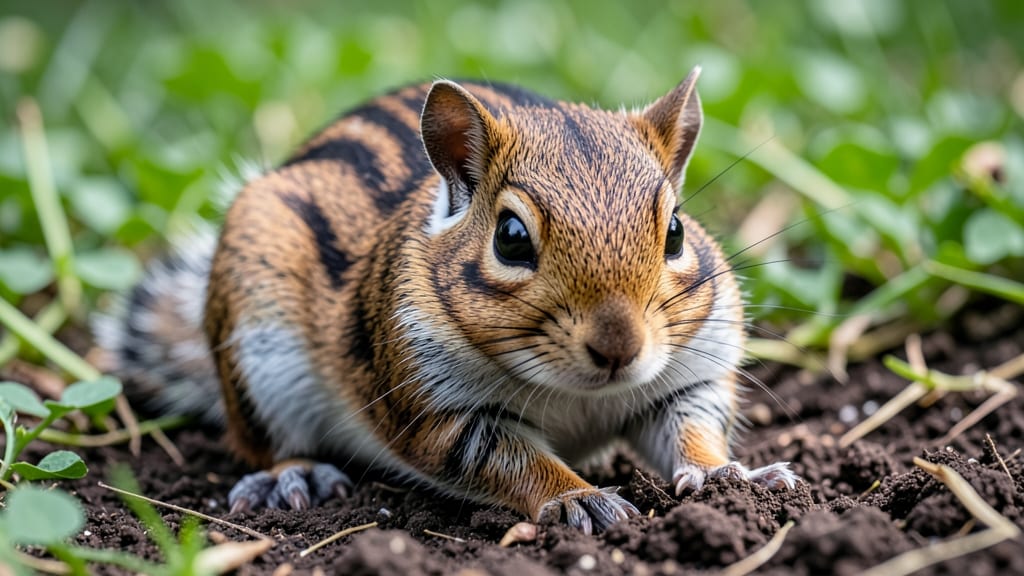
How to stop chipmunks from digging holes in your lawn—it’s not a design choice, it’s chipmunk chaos. 🌱 These striped bandits turn grass into a minefield of holes overnight, and the damage only gets worse as they dig deeper for grubs and seeds. I’ve spent three summers battling them, and I’ve finally cracked the code on humane solutions that actually work.
The problem starts when chipmunks find your lawn a buffet—soft soil, hidden insects, and fresh seeds make it irresistible. Most repellents fail because chipmunks are clever and adapt quickly.
Instead, we’ll use their instincts against them: scent deterrents, habitat tweaks, and traps that catch them alive. No poison, no harm—just a lawn that stays intact.
By the end, you’ll have a plan that combines physical barriers, natural repellents, and trap setups that actually work. The holes will fill in, your seeds stay safe, and you’ll finally enjoy that lush, uninterrupted lawn without feeling guilty about the methods.
Let’s get those critters out of your grass for good.
This works for any yard size, from small suburban patches to larger properties. The key is consistency—chipmunks give up when their favorite snack spots become unwelcome. Ready to reclaim your lawn?
Root Causes of Lawn Digging
If your lawn is suddenly dotted with tiny, mysterious craters, chipmunks are likely the culprits—and their digging isn’t random. Understanding why they’re tunneling will help you address the problem at its source. Below, we break down the science-backed reasons behind their behavior, from survival instincts to seasonal triggers.
Chipmunks are obligate seed predators, meaning their diet is heavily reliant on seeds, nuts, and insects. Their digging isn’t just a quirky habit—it’s a survival mechanism honed over millennia. Here’s how it works:
- Food Storage: Chipmunks dig to cache food—burying seeds, nuts, and even small insects in shallow holes to eat later. Their memory is photographic; they can relocate hundreds of hidden stashes with near-perfect accuracy. If your lawn has mature grass seeds, clover, or exposed soil, it’s an all-you-can-eat buffet for them.
- Scratching Behavior: Like cats, chipmunks scratch to mark territory and stretch their claws. Loose soil or soft lawns (especially after rain) make ideal digging grounds. Pro tip: If you’ve recently aerated your lawn or have thin grass patches, you’ve essentially given them a playground.
- Protein Hunt: Insects like grubs, beetle larvae, and worms are a high-protein snack for chipmunks. If your lawn has grub infestations (common in warm climates), they’ll dig aggressively to access these protein-rich meals.
💡 Actionable Insight: If your lawn has no visible food sources (like fallen nuts or insect activity), the chipmunks may be digging elsewhere—like near patio edges or garden beds—and just happening to tunnel into your grass.
Chipmunks don’t dig year-round—they’re opportunistic excavators whose behavior spikes during specific conditions. Here’s when they’re most active:
| Season | Why They Dig | Lawn Conditions That Encourage It |
|---|---|---|
| Spring | After winter, they dig to recover cached food (many seeds survive underground) and to prepare nesting sites. | Soft, damp soil (from spring rains) and new grass sprouts (easy to uproot). |
| Summer | They dig to escape heat (cool underground tunnels) and to find moisture near irrigation lines or dew-soaked grass. | Thin, dry patches where roots are shallow or overwatered areas (they seek damp soil). |
| Fall | Peak caching season! They bury 90% of their winter food supply in September–October. Digging ramps up as they compete with squirrels for the best spots. | Exposed soil (from recent mowing or landscaping) and areas with fallen acorns or seeds. |
| Winter | Minimal digging, but they may emerge to raid caches if snow thaws temporarily. | Frozen ground limits activity, but uncovered caches (from poor snow cover) can attract them. |
🌡️ Pro Tip: Chipmunks are crepuscular (most active at dawn/dusk) and nocturnal in extreme heat. If you notice fresh holes in the morning, they were likely digging overnight to avoid predators.
Sometimes, we create the perfect chipmunk digging paradise—unintentionally. Here’s how:
- Landscaping Mistakes:
- Recently aerated lawns or sod installations leave soil loose and inviting.
- Mulch or wood chips near foundations or patios can hide their tunnels.
- Over-fertilized lawns attract grubs, which attract chipmunks.
- Watering Habits:
- Drip irrigation or sprinkler heads near sidewalks create wet soil pockets—chipmunk magnets.
- Underwatering leads to thin grass, making it easy for them to dig.
- Cluttered Yards:
- Piles of leaves, sticks, or garden debris provide cover for their tunnels.
- Unsecured compost bins or bird feeders attract chipmunks, who then expand their digging range.
✨ Key Takeaway: If your lawn was fine last year but suddenly has holes this season, check for recent changes—like new mulch, a renovated garden, or even a neighbor’s tree dropping nuts nearby.
Now that you know why chipmunks are turning your lawn into a Swiss cheese board, the next step is humane deterrents and long-term solutions to reclaim your yard. Stay tuned!
Practical Ways to Stop Lawn Digging
Now that you understand why chipmunks are turning your lawn into a Swiss cheese landscape, it’s time to take action! The good news is that most solutions are humane, effective, and easy to implement.
Below, we’ll match common causes of digging to the best fixes—plus prevention tips to keep your yard chipmunk-free (or at least less ransacked).
Chipmunks dig to stash seeds, nuts, or insects—and they’ll return again and again if they find a good spot. Stop the cycle by removing their incentives.
🌰 Fix: Secure Food Sources
- Remove tempting snacks: Rake up fallen nuts, seeds, and fruit from your yard.
Store birdseed in metal containers (not fabric or plastic). - Cover compost piles: Use a tight-fitting lid or hardware cloth to block access. - Avoid overwatering: Damp soil attracts insects, which chipmunks love to dig for.
🏡 Fix: Block Nesting Sites
- Install hardware cloth: Bury a 12-inch deep barrier (1/4-inch mesh) around garden beds, flower pots, or mulch piles.
Chipmunks can’t dig through it! - Use raised beds: Elevate plants in containers or beds with bottom barriers to deter underground tunneling. - Relocate existing nests: If you find an active burrow, gently remove the chipmunk (with a humane trap—see below) and release it at least 2 miles away in a wooded area.
Chipmunks dig for fun, especially in early spring or late summer. Redirect their energy with distractions.
🎯 Fix: Create a Chipmunk Distraction Zone
- Set up a "chipmunk buffet" elsewhere: Scatter corn, sunflower seeds, or dog food in a remote corner of your yard (away from your lawn).
Use a hardware cloth tray to contain the mess. - Add mulch or rocks: Chipmunks dislike digging through coarse materials. Sprinkle gravel or pine straw over high-traffic areas. - Plant chipmunk-resistant ground covers: Creeping thyme, clover, or dense ornamental grasses make digging harder and less appealing.
If your yard is loose, shady, or covered in mulch, it’s an open invitation for digging. Harden the target zones.
🔨 Fix: Fortify Your Lawn
- Compact the soil: Use a garden roller or tamp down loose areas after watering.
Chipmunks prefer soft, easy-to-dug dirt. - Replace mulch with alternatives: Swap wood chips for gravel, bark nuggets, or rubber mulch—these are harder to tunnel through. - Install underground barriers: For high-risk areas (like near sheds or flower beds), lay hardware cloth in a trench before replanting.
If chipmunks return after you’ve tried fixes, they may have established territories or found a reliable food source. Go for the long-term solution.
🕵️♂️ Fix: Humane Trapping & Relocation
- Choose the right trap: Use a live trap (like the Havahart #1087) baited with peanut butter, sunflower seeds, or apple slices.
- Set traps at dawn/dusk: Chipmunks are most active during these times.
- Release far away: Take trapped chipmunks at least 5 miles away in a wooded, natural area (check local laws first—some states require permits).
- Repeat if needed: It may take 2–3 trapping sessions to remove a persistent family.
🚫 Fix: Deterrents (Last Resort)
If trapping isn’t an option, try non-lethal repellents: - Spray with hot pepper solution: Mix 1 tbsp cayenne pepper + 1 quart water + 1 tsp dish soap.
Spray around digging sites (reapply after rain). - Use motion-activated sprinklers: Devices like the Orbit Enforcer startle chipmunks without harm. - Try predator urine: Fox or coyote urine (available at garden stores) can deter them temporarily.
- 🌱 Keep your yard tidy: Regularly remove leaf litter, fallen fruit, and debris—chipmunks love hiding in clutter.
- 🌞 Encourage natural predators: Attract owls (install a nest box) or snakes (leave some rocks/piles of wood).
- 🕒 Time it right: Most digging happens in spring/summer. Stay vigilant during these seasons.
- 🐶 Let pets help: Dogs (especially terriers) can deter chipmunks with their presence—just supervise to avoid harm.
- 📅 Plan ahead: Before planting, check for existing burrows and install barriers before digging begins.
- ❌ Avoid poison or traps that harm: These are inhumane and illegal in many areas.
- ❌ Don’t use mothballs: They’re toxic to pets, wildlife, and children.
- ❌ Skip the gloves: Chipmunks can bite if provoked—always handle traps carefully.
Final Thought: The key to stopping chipmunk digging is combination tactics—remove food sources, block access points, and redirect their attention. With patience and consistency, your lawn can go from Swiss cheese to smooth in no time! 🌿✨
Frequently asked questions
Why do chipmunks dig holes in the first place?
Chipmunks dig primarily to store food (seeds, nuts) and hunt insects like grubs. Their digging is survival-driven—spring/fall are peak seasons when they bury supplies for later. They also scratch to mark territory and stretch their claws, especially in loose soil after rain or aeration.
Will filling holes stop them from coming back?
Filling holes temporarily hides the damage, but chipmunks will return to the same spots if the underlying conditions remain. Focus on removing food sources (fallen nuts, insects) and installing barriers like hardware cloth. Without addressing the cause, they'll just dig new holes nearby.
Are there plants that repel chipmunks?
While no plants completely repel chipmunks, dense ground covers like creeping thyme or clover make digging harder. Planting daffodils or marigolds near problem areas may deter them slightly due to their strong scents, but the most effective method is removing their food incentives and using physical barriers.
How long does it take for deterrents to work?
Most deterrents (like pepper spray or hardware cloth) show results within 3-5 days, but consistency is key. Chipmunks are smart—they'll adapt if you stop applying solutions. For traps, expect 1-2 weeks of daily checks to remove a persistent family. Combine methods for faster results.
Can I use mothballs to keep chipmunks away?
No, mothballs are toxic to pets, wildlife, and children. They can also contaminate soil and groundwater. Use humane alternatives like hot pepper spray or predator urine instead. For safety, always opt for methods approved by wildlife experts.