
Lawn
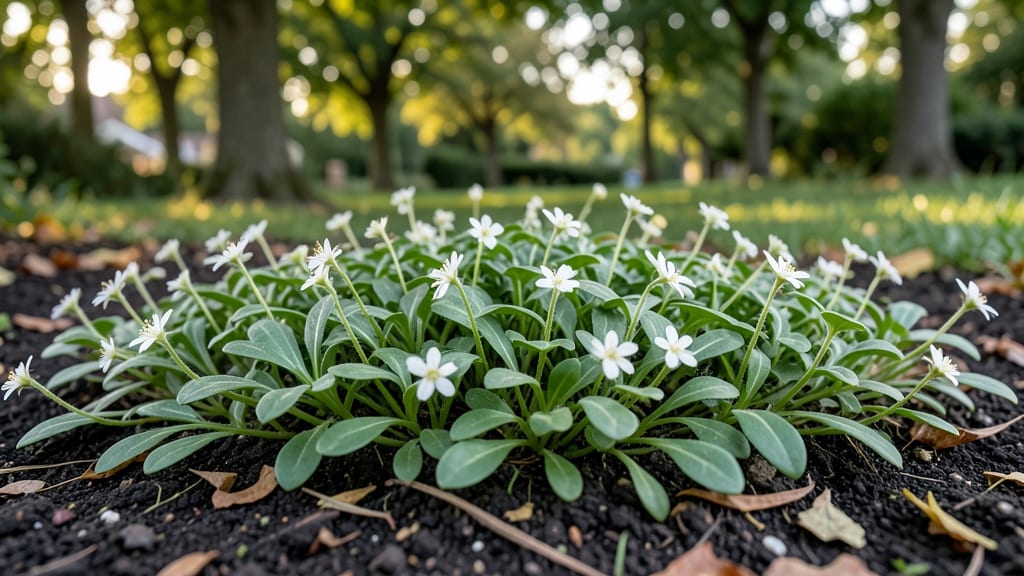
That tiny, glossy green weed creeping through your lawn might actually be chickweed—not the wildflower lookalike you hoped for. 🌱 Mastering the identification of lawn chickweed can save you endless weekends of pulling the wrong plants.
I’ve spent too many weekends pulling what I thought were dandelions, only to realize I was dealing with chickweed’s sneaky cousins. The difference? Leaf shape, growth habit, and whether it’s spreading like a carpet or standing tall like a volunteer plant.
Chickweed has oval, smooth-edged leaves arranged in pairs along a thin, sprawling stem, while wildflowers like creeping Charlie (ground ivy) have toothed leaves and a stronger minty scent. Pull one—if it snaps easily and leaves a white, milky sap, it’s chickweed.
If it smells like a forest floor and resists, you’re dealing with something else. Timing matters too: chickweed explodes in cool weather (spring/fall), while wildflowers often peak in summer.
Here’s the good news: chickweed isn’t harmful, but it chokes out grass if left unchecked. A quick hand-pull in damp soil works best—no herbicides needed. The key is catching it early, before it forms dense mats.
I’ve found that targeted removal in early spring keeps my lawn thick enough to outcompete it naturally. No black thumb required, just patience and a sharp eye.
Pro tip: If your lawn stays soft and spongy underfoot, chickweed’s likely the culprit. Compare it side by side with known wildflowers—your eyes will start spotting the differences in no time. Once you master this, you’ll never confuse the two again. Ready to reclaim your grass?
Root Causes Of Chickweed Spread
Understanding why chickweed thrives in lawns is key to controlling it effectively. This common weed doesn’t just appear randomly—it’s often a response to specific environmental and lawn-care conditions. Below, we break down the primary reasons chickweed takes over, backed by science and actionable insights.
🌱 Poor Soil Conditions
Chickweed loves disturbed, nutrient-poor, or compacted soil. Its shallow roots make it highly adaptable to areas where other plants struggle. Here’s why:
- Low nitrogen levels: Chickweed thrives in soil with insufficient nitrogen, which is often the case in over-fertilized lawns where quick-release fertilizers create temporary spikes but leave long-term deficiencies. Solution: Conduct a soil test to check nitrogen (N) levels and apply slow-release organic fertilizers (like compost or alfalfa meal) to balance the ecosystem.
- High organic matter depletion: Lawns with heavily trafficked or frequently mowed areas deplete organic matter, leaving bare patches. Chickweed seeds germinate quickly in these exposed spots. Solution: Top-dress with compost or use a core aerator to reintroduce organic material and improve soil structure.
- Compacted soil: Heavy foot traffic, machinery, or clay-heavy soils create compaction, reducing oxygen and water penetration. Chickweed’s flat, mat-like growth habit allows it to spread in these suffocating conditions. Solution: Aerate in early fall or spring to relieve compaction and encourage deeper root growth in grass.
💧 Overwatering Or Irregular Moisture
Chickweed is a succulent plant, meaning it stores water in its leaves and stems. It flourishes when soil moisture is inconsistent—either too wet or too dry. Here’s the science:
- Excessive moisture: Overwatering or poor drainage creates soggy conditions, which chickweed tolerates better than most grasses. Its ability to photosynthesize efficiently in low light (thanks to high chlorophyll content) gives it an edge in shaded, damp areas. Solution: Improve drainage with sand or organic matter, and water deeply but less frequently to encourage grass roots to seek moisture.
- Drought stress in grass: When lawns are underwatered, grass weakens and leaves gaps. Chickweed seeds, which can lie dormant for years, germinate rapidly in these openings. Solution: Water lawns 1–1.5 inches per week (including rainfall) and adjust sprinkler patterns to avoid uneven moisture zones.
✂️ Improper Mowing Practices
Chickweed often invades lawns that are mowed too short or too infrequently. Its growth habit—low to the ground and spreading—makes it resilient to standard mowing routines. Key triggers include:
- Cutting grass too short: Mowing below 2–3 inches stresses turfgrass, exposing soil and allowing chickweed seeds to establish. Tall fescue and bluegrass, common lawn grasses, recover poorly when scalped. Solution: Adjust mower height to the recommended setting for your grass type and never remove more than ⅓ of the blade height in one mowing.
- Inconsistent mowing schedules: Skipping mows or letting grass grow too tall creates a dense canopy that blocks sunlight. Chickweed, a shade-tolerant weed, thrives in these conditions. Solution: Mow regularly to maintain a uniform height and use a sharp mower blade to avoid tearing grass, which invites disease and further stress.
🌿 Lack Of Competitive Grass Cover
Healthy, dense turfgrass is chickweed’s natural enemy. When grass thins out—due to disease, pests, or poor maintenance—chickweed fills the void. Here’s how it happens:
- Thin grass from disease or pests: Fungal infections (like brown patch) or insect damage (e.g., grubs) weaken grass, creating bare spots. Chickweed’s rapid germination (seeds sprout in as little as 5 days) lets it outcompete recovering grass. Solution: Treat fungal issues with fungicides and address pest infestations with targeted insecticides or beneficial nematodes.
- Slow-growing grass varieties: Some grasses (like Kentucky bluegrass) grow slower in heat or drought, leaving gaps. Chickweed capitalizes on these slow periods. Solution: Choose drought-resistant grass mixes or overseed thin areas with fast-growing annual ryegrass in fall.
🌍 Seasonal And Environmental Factors
Chickweed’s lifecycle is tied to temperature and daylight. It germinates in cool seasons (spring and fall) and declines in summer heat. However, certain conditions accelerate its spread:
- Mild winters: Chickweed survives winter in many climates, especially in southern regions where temperatures rarely drop below freezing. Its ability to regrow from basal leaves gives it a head start in early spring. Solution: Apply pre-emergent herbicides in late winter to prevent seed germination.
- Shaded or low-traffic areas: Chickweed thrives in partial shade where grass struggles. Its ability to fix nitrogen (via symbiotic bacteria) in poor soil gives it a nutrient advantage. Solution: Improve light exposure by pruning overhanging trees or thinning dense shrubs near the lawn.
Pro Tip: 💡 Chickweed’s spread is often a symptom of deeper lawn health issues. Addressing soil, water, and grass density simultaneously is the most effective long-term strategy. Start with a soil test and adjust your lawn care routine based on the results!
Quick Fixes for Stubborn Lawn Weeds
If you’ve spotted chickweed creeping into your lawn, don’t panic—this common weed is manageable with the right approach. Below, we break down the most effective solutions based on the root cause of your problem, from overgrowth to persistent regrowth.
Each fix is designed to be practical, whether you’re dealing with a small patch or a full-blown invasion.
Cause: Chickweed thrives in moist, shaded, or compacted soil, often spreading rapidly if left unchecked. Solution:Start by removing the weed at its source. Chickweed has shallow roots, making it easier to pull than deep-rooted weeds like dandelions.
- 🔥 Hand-Pulling (Best for Small Areas) - Wait for a damp morning or after rain when the soil is soft and the weed is easier to extract. - Grasp the weed near the base and pull upward with a firm tug. Twist slightly to loosen the roots—this reduces the chance of regrowth. - Pro Tip: Use a pair of gardening gloves to avoid skin irritation from the weed’s mild sap. - 🍳 Vinegar Spray (Organic Option for Medium Patches) - Mix 1 gallon of white vinegar (20-30% acetic acid) with 1 ounce of dish soap in a spray bottle. - Spray directly on the leaves (avoid desirable plants—vinegar is non-selective!). - Reapply every 3–4 days until the chickweed turns brown and dies (usually 1–2 weeks). - Pro Tip: Apply on a sunny day to maximize effectiveness—vinegar works best with direct sunlight. - 👨🍳 Corn Gluten Meal (Preventative Barrier) - Sprinkle 2–3 lbs of corn gluten meal per 100 sq. ft. over your lawn in early spring. - Water lightly to activate. This natural pre-emergent blocks weed seeds (including chickweed) from sprouting. - Pro Tip: Reapply after rain or heavy watering to maintain the barrier. Cause: Chickweed’s seeds germinate quickly, and even small root fragments can sprout new plants. Solution:Prevention is key to keeping chickweed from staging a comeback. Focus on improving lawn health and breaking the weed’s life cycle.
- ✨ Improve Soil Drainage & Aerate - Chickweed loves compacted, waterlogged soil. Use a core aerator to punch holes in your lawn, allowing water and air to penetrate. - Mix in compost or sand to improve drainage, especially in low-lying areas. - Pro Tip: Aerate in early fall when chickweed is less aggressive but soil conditions are ideal for recovery. - 🎯 Overseed with Dense Grass - Fill bare spots with tall fescue or perennial ryegrass, which outcompetes chickweed for sunlight and nutrients. - Apply grass seed + starter fertilizer in late summer or early fall for best results. - Pro Tip: Keep the area lightly moist for 2–3 weeks to help seedlings establish. - 🔪 Mow High & Regularly - Set your mower to 3–4 inches to shade the soil and discourage chickweed seeds from germinating. - Collect clippings (don’t mulch) to remove any chickweed seeds caught in the grass. - Pro Tip: Mow weekly during growing season to prevent weed seeds from maturing. Cause: Chickweed returns if environmental conditions (moisture, shade, poor soil) remain favorable. Solution:Make your lawn less inviting to chickweed by addressing its favorite conditions head-on.
- 🌡️ Reduce Moisture Retention - Fix drainage issues with French drains or swales in soggy areas. - Water deeply but infrequently (early morning) to encourage deep grass roots and reduce surface moisture. - ☀️ Increase Sunlight Exposure - Trim overgrown trees or shrubs casting shade on your lawn. - Consider sun-loving grass varieties like Bermuda or Zoysia if your yard is naturally shady. - 📊 Soil Test & Amend - Test your soil’s pH and nutrient levels (ideal lawn pH: 6.0–7.0). - Adjust with lime (to raise pH) or sulfur (to lower pH) as needed. - Pro Tip: A balanced 10-10-10 fertilizer in spring and fall promotes thick, healthy grass.With consistent effort, you can eliminate chickweed and keep it from returning. The key is combining removal, prevention, and lawn care—think of it as a three-step defense system. Start with the fixes that match your lawn’s biggest chickweed triggers, and soon you’ll have a lush, weed-free yard!
Frequently asked questions
What does chickweed look like compared to clover or creeping Charlie?
Chickweed has smooth, oval leaves arranged in pairs along a thin, sprawling stem, while clover forms three-leaf clusters with white or pink flowers. Creeping Charlie (ground ivy) has toothed, scalloped leaves and emits a minty scent when crushed. Chickweed also lacks the distinctive purple flowers of creeping Charlie and grows much closer to the ground.
Is chickweed harmful to my lawn or pets?
Chickweed isn't toxic to pets or humans, but it can choke out grass if left unchecked. Its shallow roots create a dense mat that blocks sunlight, weakening your lawn's health. While not poisonous, its milky sap may irritate sensitive skin—wear gloves when pulling. For pets, it's safe but may cause mild stomach upset if ingested in large amounts.
Why does chickweed keep coming back after I pull it?
Chickweed spreads via tiny seeds that can lie dormant for years and regrow from even small root fragments. It thrives in disturbed soil, so pulling alone won't stop it—focus on improving lawn density and preventing bare spots. Use corn gluten meal as a natural pre-emergent in spring to block new seeds from sprouting.
Can I use vinegar to kill chickweed without damaging my grass?
Vinegar works best on small patches in sunny areas—mix 1 gallon white vinegar (20% acid) + 1 oz dish soap and spray directly on leaves (avoid grass). For safety, apply only on dry, sunny days and spot-test first. Grass may recover but could turn brown temporarily. A better option is hand-pulling or corn gluten meal for long-term prevention.
When is the best time of year to treat chickweed?
Target chickweed in early spring (March-April) or fall (September-October) when it's actively growing. These periods let you catch it before it spreads. Avoid treating in summer heat—chickweed naturally declines then. For prevention, apply pre-emergent herbicides in late winter to stop seeds from germinating.