
Lawn
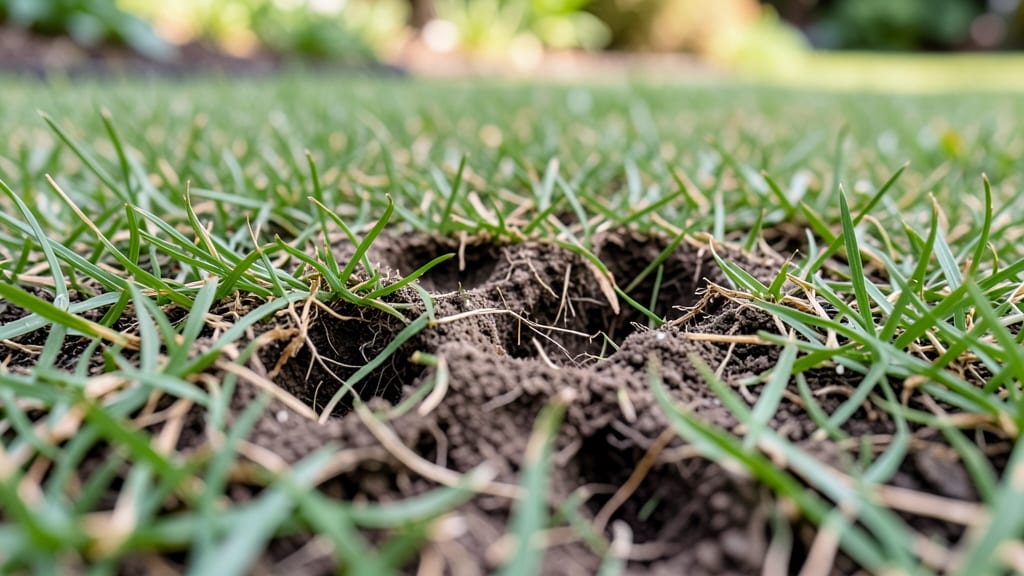
Insect holes in your lawn aren’t just unsightly—they’re a sign your yard is under siege. 🌱 I’ve spent years battling grubs that turn grass into Swiss cheese and moles that tunnel like they’re digging for buried treasure, and I’ve found the fast organic fixes that actually work.
The first step is identifying the culprit: grubs leave behind irregular patches of brown grass, while moles create neat, volcano-shaped mounds. Once you know who’s to blame, you can tackle the problem with natural solutions like nematodes for grubs or castor oil-based repellents for moles—no harsh chemicals needed.
Within 2-4 weeks of treatment, you’ll see fewer holes, healthier grass, and a lawn that looks like it belongs on a postcard. The best part? These methods protect your soil, pets, and kids while keeping your yard lush and green. Prevention is just as important as the fix.
Aerate in the fall, overseed bare spots, and encourage beneficial insects to keep pests in check. Your lawn will thank you for years to come!
The Hidden Causes Behind Lawn Damage
Those mysterious tiny craters and uneven patches in your lawn aren’t just random bad luck—they’re often the handiwork of underground critters and soil-dwelling pests. Understanding why these holes appear is the first step to stopping them.
Below, we break down the most common culprits and the science behind their destructive habits.
Grubs—C-shaped larvae of beetles like Japanese beetles, June bugs, or European chafer—are one of the most destructive forces in a lawn. These pale, worm-like creatures feast on grass roots, weakening the turf until it pulls up easily, leaving behind patchy, hole-riddled areas.
Why they strike:
- Moisture & Organic Matter: Grubs thrive in wet, well-aerated soil rich in organic material (like decomposed leaves or thatch). Overwatering or heavy dew creates the perfect buffet for them.
- Seasonal Surges: Most grubs hatch in late spring to early summer and become most active in fall, when soil temps drop but moisture remains high.
- Lack of Predators: Birds, toads, and beneficial nematodes usually keep grub populations in check. But if these natural controls are missing (due to pesticide use or habitat loss), grubs multiply unchecked.
🔍 Tell-tale signs: Look for yellowing patches that pull up like carpet when tugged, or birds pecking at your lawn (they’re dining on grubs!).
Moles don’t eat grass—they dig tunnels to hunt for grubs, worms, and insects. Their subsurface pathways disrupt roots and create raised ridges or sinkholes when they collapse.
Why they invade:
- Grub Buffet: Moles follow grub-heavy lawns. If your soil is already infested with grubs (see above), moles will move in like fast-food drive-thrus.
- Loose, Moist Soil: Sandy or clay-heavy soils are easier to dig than compacted dirt. Irrigation or rain keeps tunnels stable, making your lawn a mole motel.
- Lack of Barriers: Moles avoid hard surfaces (like rocks or roots). If your yard has open, soft soil with few obstacles, they’ll claim it as their territory.
🔍 Tell-tale signs: Volcano-like mounds of dirt (freshly ejected tunnels) or wavy, uneven patches where tunnels run shallow.
Many grubs start as beetles that lay eggs in your lawn. Adult beetles (like Japanese beetles) are often attracted to flowering plants, stressed grass, or damp soil, where they deposit eggs that hatch into grubs.
Why they choose your lawn:
- Weak Turf = Easy Target: Beetles prefer thin, water-stressed grass because it’s easier to lay eggs in. Over- or under-watering creates the perfect weak spot.
- Proximity to Food: Beetles feed on leaves and flowers before mating. If your yard has roses, grapes, or linden trees, they’ll stop by to snack—and drop eggs.
- Warmth & Humidity: Beetles are most active in 70–90°F weather with high humidity. Southern lawns often see worse infestations.
🔍 Tell-tale signs: Skeletonized leaves (beetles eat leaf tissue, leaving veins) or swarms of metallic-green beetles in late afternoon.
Not all holes come from pests—sometimes, poor soil health creates the perfect conditions for damage. Compacted or nutrient-poor soil weakens grass roots, making them vulnerable to fungal infections, drought, or even animal activity.
Why it leads to holes:
- Reduced Oxygen: Compacted soil smothers roots, forcing grass to seek water and nutrients inefficiently. This stress attracts grubs (they love weak, easy meals).
- Thatch Buildup: A thick thatch layer (dead grass + roots > ½ inch) traps moisture and blocks water/air flow. Grubs and fungi thrive in this damp, decaying zone.
- Nutrient Deficiencies: Lawns low in nitrogen, phosphorus, or potassium grow slowly, leaving gaps that pests exploit.
🔍 Tell-tale signs: Spongy, discolored patches that don’t improve with watering, or grass that pulls up easily (even without visible pests).
💡 Pro Tip: If you’re unsure who’s to blame, dig up a small patch (6” x 6”) and check the soil. Grubs = white, C-shaped larvae; mole tunnels = smooth, dirt-lined paths; fungus = white, cottony growth on roots.
Quick Fixes for Lawn Damage
Now that you know what’s chewing up your lawn, let’s tackle those pesky holes with fast, organic solutions tailored to the culprit. Below, we’ve matched common causes to their best fixes—plus prevention tips to keep your yard looking lush long-term.
Grubs (larvae of beetles like Japanese beetles or June bugs) are the sneakiest lawn destroyers. Since they feed on roots, the damage often shows up after they’ve already done their dirty work.
🔥 Step 1: Dethatch and Aerate (👨🍳)
Grubs thrive in compacted soil. Loosen the turf to expose them to predators and improve root health.
- Rent or buy a core aerator (or spike aerator in a pinch).
- Focus on high-traffic areas where grubs are most active.
- Pro tip: Do this in early fall when grubs are young and vulnerable.
🍳 Step 2: Apply Beneficial Nematodes (🥘) These microscopic worms are natural grub killers.
They infect and kill grubs without chemicals. - Buy Heterorhabditis bacteriophora nematodes (available online or at garden centers). - Mix with water and apply evenly with a hose-end sprayer in the evening (they hate sunlight). - Water lightly after application to help them penetrate the soil. - Pro tip: Repeat every 4–6 weeks during grub season (spring/fall).
🔪 Step 3: Encourage Natural Predators (⏰)
Birds, toads, and ground beetles love grubs. Help them out!
- Leave leaf litter in shady spots—it attracts beetles.
- Install a birdbath to lure songbirds (robins and starlings are grub connoisseurs).
- Avoid broad-spectrum pesticides, which kill helpful predators too.
🌱 Step 4: Overseed Bare Spots (💡)
Once grubs are gone, fill the holes with grass seed.
- Choose disease-resistant seed (like tall fescue or Kentucky bluegrass).
- Lightly rake the area, sprinkle seed, and water gently for 2 weeks.
- Pro tip: Use a starter fertilizer (low nitrogen) to help roots establish.
Moles create volcano-like mounds and raised tunnels that damage roots and make your lawn look like a war zone. Unlike grubs, moles aren’t eating your grass—they’re just passing through.
🔥 Step 1: Castor Oil Repellent (🍳) Moles hate the taste of castor oil.
Make a DIY spray: - Mix 2 tbsp castor oil + 1 tsp dish soap + 1 gallon water. - Spray along mole tunnels and entry points (they’ll avoid the area). - Reapply after rain or every 2 weeks. - Pro tip: Add peppermint oil (10 drops) for extra repellent power.
🥘 Step 2: Block Their Paths (🔪) Moles follow easy tunnels.
Make their job harder: - Install hardware cloth barriers (¼-inch mesh) 6–12 inches deep around garden beds. - Bury plastic or metal mole baffles (available at garden stores) to redirect them. - Pro tip: Remove their food sources (grubs, earthworms) to discourage them from sticking around.
⏰ Step 3: Humane Trapping (💡)
If moles persist, use live traps (not poison, which is inhumane and can harm pets).
- Place traps perpendicular to tunnels (moles travel in straight lines).
- Bait with peanut butter, worms, or fruit.
- Check traps daily and release moles far from your yard (at least 5 miles away).
- Pro tip: Work with a local wildlife rehabber if trapping feels overwhelming.
These pests create small, irregular holes and thin patches where grass pulls up easily.
🔥 Step 1: Diatomaceous Earth (DE) (🍳)
Food-grade DE dehydrates insects without harming plants.
- Sprinkle lightly over affected areas (avoid windy days).
- Reapply after watering or rain.
- Pro tip: Focus on early morning when pests are most active.
🥘 Step 2: Neem Oil Spray (🔪)
Neem oil disrupts their life cycle and deters new infestations.
- Mix 2 tbsp neem oil + 1 tsp mild soap + 1 gallon water.
- Spray evenly on holes and surrounding grass.
- Pro tip: Apply in the evening to avoid burning grass in sunlight.
✨ Step 3: Encourage Ladybugs (💡)
Ladybugs devour ant eggs and webworm larvae.
- Plant dill, fennel, or marigolds near your lawn to attract them.
- Avoid chemical pesticides, which kill ladybugs too.
Once you’ve kicked the pests out, lock them out for good with these habits:
- Mow high (3–4 inches) to shade soil and deter pests.
- Water deeply but less often (encourages deep roots, which grubs hate).
- Test your soil (pH 6.0–7.0) and amend with compost for healthy turf.
- Rotate organic treatments (nematodes, DE, neem) to prevent resistance.
- Inspect regularly in spring and fall (peak grub season).
- Grubs: 4–6 weeks (after nematode treatment + overseeding).
- Moles: 1–2 weeks (with repellents) or immediate (if trapped).
- Ants/Webworms: 1–2 weeks (with DE/neem + predator support).
Patience is key—your lawn will bounce back with the right care! 🌿
Frequently asked questions
How do I tell if my lawn holes are from grubs or moles?
Check the damage patterns: grubs leave behind irregular brown patches that pull up easily (like carpet), while moles create volcano-shaped mounds of dirt and raised tunnels. Dig up a small section—grubs are white, C-shaped larvae, while mole tunnels are smooth, dirt-lined paths.
Will overwatering make insect holes worse?
Yes! Overwatering creates the perfect environment for grubs and moles. Wet soil gives grubs more food (weak grass roots) and makes tunnels easier for moles to dig. Water deeply but less often (early morning) to encourage deep roots and discourage pests.
Can I use diatomaceous earth on my whole lawn?
Not recommended. DE works best in targeted spots (like ant hills or small grub patches) because it loses effectiveness when watered or rained on. For large areas, focus on beneficial nematodes or neem oil instead—they’re safer for the whole lawn.
How long until my lawn recovers after treatment?
Recovery time varies: grubs take 4–6 weeks (after nematode treatment + overseeding), moles show results in 1–2 weeks (with repellents), and ants/webworms improve in 1–2 weeks (with DE/neem). Patience is key—healthy grass grows back faster once pests are gone!
Are there any plants that repel lawn pests naturally?
Yes! Plant marigolds, garlic, or catnip near your lawn to deter grubs and moles. These act as natural repellents while also attracting beneficial predators like ladybugs and ground beetles. Add them to garden beds or borders for best results.