
Fertilization
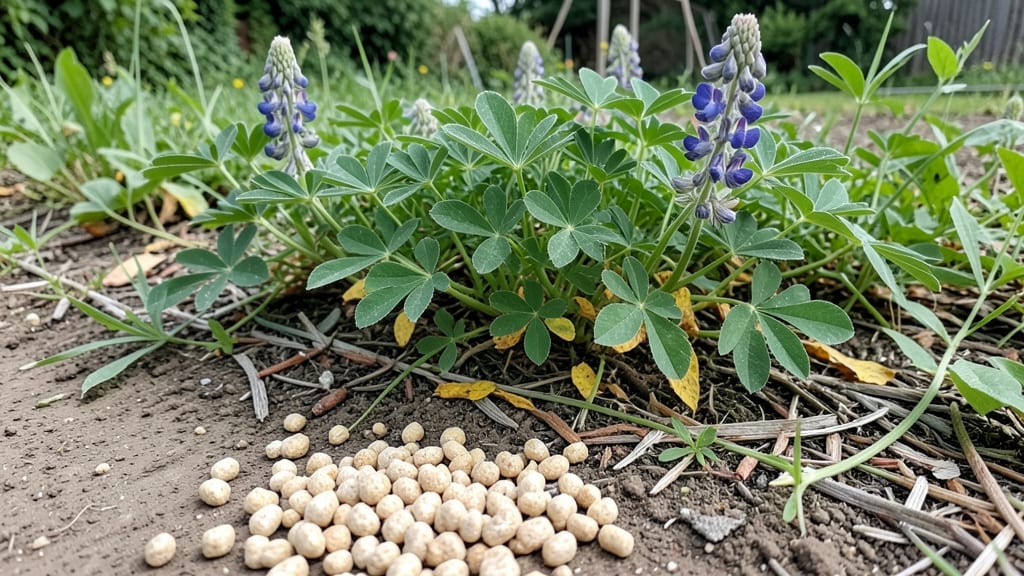
Grass fertilizer can be poisonous if mishandled or ingested, especially when it contains high levels of synthetic nitrogen, phosphorus, or herbicides like 2,4-D. Always follow label instructions, wear gloves, and keep it away from pets and children.
Most fertilizers aren't inherently toxic, but improper handling turns them into hazards.
The real danger comes from concentrated forms—especially synthetic blends—which can burn skin or cause respiratory issues if inhaled. 🌱 I’ve seen cases where pets got into spilled bags, leading to vomiting or neurological symptoms, so storage matters just as much as application.
Organic options like compost or manure are safer but still require caution, as improper decomposition can release harmful bacteria.
💡 In This Article
- Toxic Components in Common Grass Fertilizers
- Safe Application and Storage Practices for Fertilizers
Toxic components in common grass fertilizers
The real danger in lawn fertilizers comes from concentrated chemical blends designed to deliver rapid results. Synthetic nitrogen sources like urea or ammonium nitrate can cause chemical burns when they come into contact with skin, especially in powder form.
These compounds release ammonia when dissolved, creating a corrosive environment that can irritate eyes and respiratory systems if inhaled. The EPA classifies some nitrogen fertilizers as "corrosive" when concentrated, similar to how household ammonia behaves.
Herbicides like 2,4-D (found in many weed-and-feed products) pose even greater risks. This chemical mimics plant hormones, disrupting cellular growth at doses as low as 0.05 milligrams per kilogram of body weight in sensitive individuals.
For a 50-pound dog, that's roughly 2.5 milligrams—about the amount found in a single teaspoon of concentrated product. The symptoms include vomiting, muscle tremors, and in severe cases, respiratory failure.
Ironically, 2,4-D was originally developed as a military defoliant during the Vietnam War before being repurposed for lawn care.
Heavy metals like arsenic (sometimes present in older or poorly regulated fertilizers) and cadmium (found in phosphate-based products) accumulate in soil over time. While the immediate effects may be subtle, chronic exposure through contaminated vegetables or water can lead to neurological damage.
Organic fertilizers avoid these synthetic chemicals but can still harbor pathogens if improperly composted—raw manure, for example, may contain E. coli or salmonella bacteria that pose infection risks when handled without protection.
What most people overlook is how formulation affects toxicity. Slow-release fertilizers with polymer coatings are generally safer because the active ingredients disperse gradually, reducing acute exposure risks. However, even these can contain trace amounts of microplastics from the coatings themselves, which may leach into groundwater over time.
The key difference between organic and synthetic fertilizers lies in their breakdown products: organics decompose into natural compounds like humic acids, while synthetics often leave behind persistent chemical residues.
Consider this real-world example: A 20-pound bag of typical synthetic lawn fertilizer might contain 30% nitrogen, 10% phosphorus, and 5% potassium, with additional herbicides.
If spilled near a water source, just 1 pound of this product could contaminate 10,000 gallons of water with nitrogen alone—enough to create a "dead zone" where aquatic life can't survive. The environmental impact mirrors the human health risks, showing how chemical fertilizers create a feedback loop of toxicity.
Here's what actually happens when these components enter the body: Nitrogen compounds convert to nitrites in the stomach, which can interfere with oxygen transport in blood (similar to cyanide poisoning but less severe). Herbicides disrupt cellular signaling pathways, while heavy metals bind to proteins and enzymes, impairing their function.
The good news? Your body has some natural defenses—liver enzymes can detoxify many of these compounds—but they're overwhelmed by repeated or high-dose exposures. 🌱