
Lawn
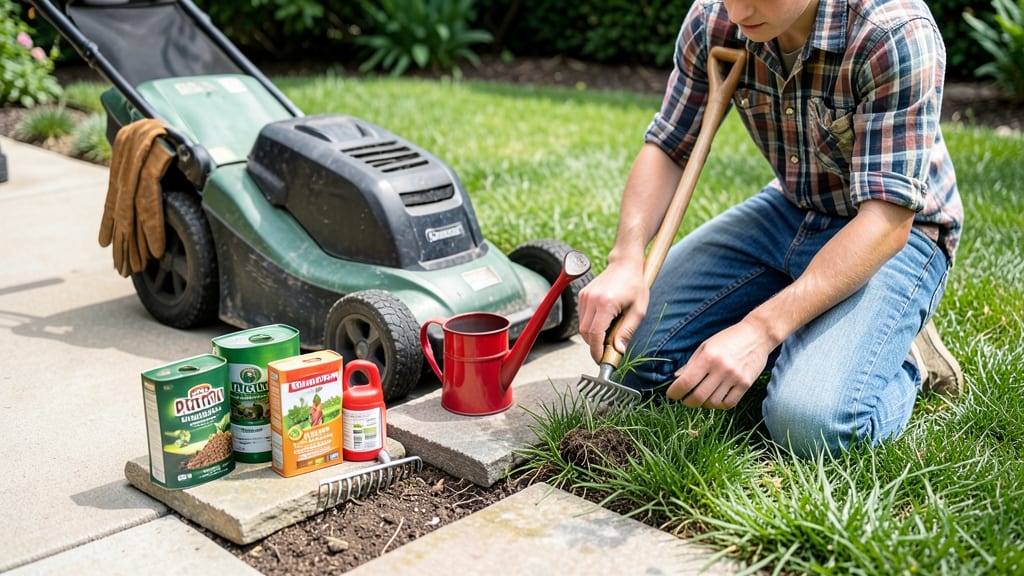
Lawn care qualifies as a hobby because it blends outdoor activity with plant cultivation, demanding both skill and dedication—much like gardening or landscaping, yet without the competitive edge of sports. Many enthusiasts find joy in the seasonal progression and visible results of their efforts.
Lawn care stands out as a hobby because it offers a unique mix of physical labor and creative expression.
Unlike passive hobbies, it requires regular attention, seasonal adjustments, and problem-solving—whether dealing with weeds, soil conditions, or seasonal challenges. 🌱 The satisfaction comes from seeing your efforts translate into a lush, healthy lawn, which many compare to the pride of gardening or the precision of bonsai.
What sets it apart is the balance between maintenance and artistic control over your outdoor space.
For those who love it, lawn care becomes more than just yard work—it's a way to connect with nature while creating something beautiful.
The tools, techniques, and knowledge you gain over time turn it into a deeply personal pursuit, much like other hands-on hobbies that evolve with your skills and interests.
💡 In This Article
- Why Lawn Care Fits the Hobby Definition
- How Lawn Care Differs from Other Hobbies
Why lawn care fits the hobby definition
Lawn care meets the core criteria of a hobby through its blend of skill development and personal fulfillment. Unlike passive activities, it demands consistent effort—whether mowing every 7-10 days during peak growth or adjusting watering schedules based on rainfall patterns.
The learning curve mirrors that of gardening, where enthusiasts master techniques like soil aeration, seed selection, and pest control, all of which require research and experimentation. 🌱 What makes it uniquely rewarding is the immediate visual feedback: a perfectly manicured lawn reflects direct cause-and-effect, similar to how bonsai practitioners take pride in their miniature trees.
The seasonal nature adds depth to the hobby experience. Spring brings the challenge of overseeding bare patches, summer demands vigilance against drought stress, and fall requires strategic leaf removal to prevent smothering grass.
These cyclical tasks create a rhythm that keeps the hobby engaging year-round, much like how birdwatchers track migrations or fishermen adapt to seasonal fish behavior.
The emotional connection runs deeper than aesthetics—many lawn care enthusiasts describe it as a form of outdoor therapy, where physical activity reduces stress while nurturing living plants.
Psychologically, lawn care satisfies multiple hobby motivations. The tangible results provide instant gratification, while the problem-solving aspects—like diagnosing brown patches or choosing between cool-season and warm-season grasses—keep the mind engaged.
Studies on "flow states" show that activities requiring moderate skill challenges (like perfecting mowing patterns) trigger dopamine release, similar to how knitting or woodworking hobbies create satisfaction. The outdoor setting amplifies these effects by combining physical movement with nature exposure.
What distinguishes lawn care from other plant hobbies is its scale and accessibility. Unlike bonsai, which requires years to develop expertise, lawn care offers immediate rewards with basic tools—a mower, rake, and hose suffice for beginners.
Yet, the depth of knowledge extends infinitely: advanced enthusiasts study soil pH levels (6.0-7.0 ideal)**, grass species like Kentucky bluegrass vs. fescue, and even microclimate variations in their yards. This scalability from casual maintenance to competitive landscaping mirrors how photography ranges from snapshots to professional work.
Consider the sensory rewards: the crisp scent of freshly cut grass, the satisfying resistance of a well-aerated lawn, or the visual transformation of a previously patchy yard. These elements create a multi-sensory experience that hobbyists often describe as meditative.
The tactile feedback—feeling soil crumble through fingers during aeration or running hands over smooth grass blades—adds another layer of connection that's harder to replicate in indoor hobbies. 🌿
The hobby aspect becomes even clearer when comparing it to sports or crafts. While sports require physical competition and crafts demand artistic precision, lawn care blends both: it's a physical activity with creative outcomes, where the "product" is functional yet beautiful.
The tools themselves become part of the hobby culture—collecting specialized mowers, experimenting with spreaders, or even building DIY irrigation systems—mirroring how collectors curate their items or artists gather supplies.
For many, the hobby aspect crystallizes during moments of pride—when neighbors compliment their lawn or they successfully revive a struggling section. These small victories create the same dopamine-driven satisfaction that hobbyists find in completing a quilt or winning a race.
The key difference is that lawn care's rewards are both personal and public, making the hobby experience uniquely social in its impact. 🏡