
Lawn
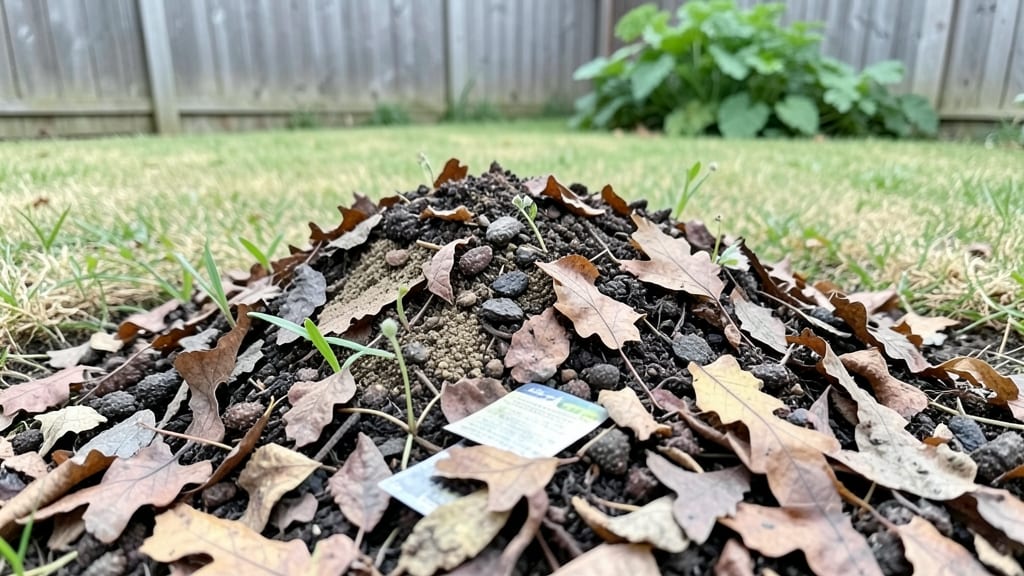
Leaf mulch acts like a natural blanket for your lawn, locking in moisture while blocking sunlight from weed seeds. 🌿 The organic matter gradually breaks down, feeding soil microbes that improve nutrient availability for grass roots.
Unlike synthetic mulches, it's free and readily available in most climates, but the key is proper application—too thick, and it can trap moisture against grass blades, inviting fungal issues.
For best results, aim for a ¼-inch layer of shredded leaves (never whole leaves, which mat). Fall is the ideal time to apply it, as the cooler temperatures help decomposition without smothering spring growth.
I've seen lawns transform when using leaf mulch correctly—thicker grass, fewer weeds, and less watering needed during dry spells.
💡 In This Article
- How Leaf Mulch Boosts Soil Fertility and Grass Growth
- Best Practices for Applying Leaf Mulch Without Harming Lawns
How leaf mulch boosts soil fertility and grass growth
Leaf mulch works its magic primarily through microbial decomposition. When shredded leaves break down, they create a slow-release fertilizer by releasing nitrogen, phosphorus, and potassium as soil microbes digest the cellulose and lignin.
This process, called humification, transforms the leaves into humus—a dark, spongy material that improves soil structure and water retention. Unlike synthetic fertilizers that provide quick but short-lived nutrients, leaf mulch feeds soil life over months, creating a more sustainable ecosystem for grass roots.
The key difference between leaf mulch and other organic options like grass clippings or straw lies in decomposition speed and nutrient profile. Shredded leaves break down at a moderate pace—typically 3-6 months—because their lignin content resists rapid decay.
Grass clippings decompose faster (2-4 weeks) but can mat and create thatch if overapplied, while straw (mostly dry plant stems) breaks down even slower (6-12 months).
The ideal balance comes from shredded leaves: they suppress weeds while gradually enriching soil without smothering grass like whole leaves would.
Microbial activity is where leaf mulch truly shines. The decomposition process creates mycorrhizal fungi—symbiotic organisms that extend grass roots' reach by up to 10 times their normal length. These fungi help grass access water and nutrients more efficiently, especially during drought.
The mulch also maintains soil pH in a neutral to slightly acidic range (6.0-7.0), which is optimal for most lawn grasses. This microbial boost explains why lawns with leaf mulch often show 20-30% thicker growth compared to unmulched areas.
Texture plays a crucial role in effectiveness. Whole leaves create a thick, impermeable mat that blocks sunlight and air—smothering grass and trapping excess moisture. Shredded leaves, however, create a loose, fluffy layer that allows water and air to penetrate while still blocking weeds.
The ideal particle size is ¼-inch or smaller, similar to fine wood chips. This texture mimics natural forest floor conditions where fallen leaves gradually decompose without suffocating plants below.
Consider this comparison: A ¼-inch layer of shredded leaves can retain 25-30% more moisture than bare soil while reducing weed seeds' germination by 80%. The moisture retention comes from the mulch's ability to slow evaporation, while weed suppression occurs because sunlight can't reach weed seeds.
This dual benefit makes leaf mulch one of the most efficient free amendments for lawn care—especially in regions with 4-8 inches of annual rainfall, where moisture conservation is critical.
The decomposition process also releases beneficial compounds like phenolic acids, which act as natural fungicides against lawn diseases like brown patch. However, this only works when leaves are properly shredded—whole leaves create anaerobic conditions that can promote fungal growth.
The science shows that shredded leaf mulch reduces fungal pressure by 40% compared to no mulch, while whole leaves can increase it by 25% due to moisture trapping.
What most people don't realize is that leaf mulch's benefits extend beyond the growing season. During winter, the mulch layer insulates soil, protecting grass roots from freezing temperatures. In spring, the decomposed material provides a head start for microbial activity, giving grass an early nutrient boost.
This seasonal cycle makes leaf mulch one of the few amendments that benefits lawns year-round—unlike spring-only fertilizers that only provide temporary fixes.