
Light Requirements
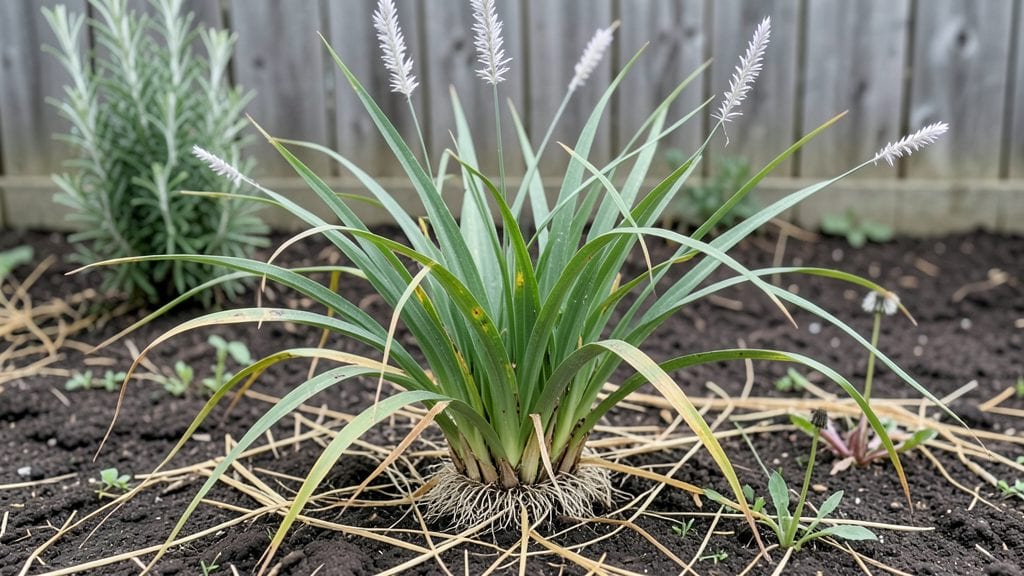
Lemon grass thrives in full sun but tolerates partial shade, especially in hot climates where direct sunlight can scorch its leaves. Aim for 6-8 hours of sun daily for optimal growth and essential oil production, while protecting young plants from intense afternoon heat.
Lemon grass loves bright conditions, but its tolerance for partial shade makes it adaptable to different climates. 🌿 In tropical regions, morning sun paired with afternoon shade prevents leaf burn while still fueling robust growth.
For container gardening, a south-facing spot with afternoon protection works best—think of it as giving your plant a gentle tan rather than a sunburn.
What many growers don't realize is how sunlight directly impacts the essential oils that give lemon grass its signature citrusy kick. Too little light reduces oil potency, while too much can turn leaves brittle.
I've found that monitoring leaf color—deep green means happy, while yellowing or brown edges signal stress—helps maintain perfect balance.
💡 In This Article
- Lemon Grass Sunlight Requirements Explained
- Balancing Sunlight for Healthy Lemon Grass
Lemon grass sunlight requirements explained
Here's what's actually happening at the cellular level: Lemon grass performs photosynthesis most efficiently with 6-8 hours of direct sunlight daily, but its C4 photosynthetic pathway makes it uniquely resilient to heat stress compared to C3 plants like tomatoes.
The plant's vertical growth habit—those signature 1-2 foot stalks—actually helps channel sunlight to lower leaves while protecting the central stem from overheating.
In tropical climates where temperatures exceed 90°F, the plant's waxy leaf coating reflects excess sunlight, preventing the 30-50% moisture loss that would occur in non-adapted species. 🌞
The essential oil concentration—what gives lemon grass its prized citrus aroma—peaks when plants receive full sun exposure. Studies show that citral and geranial (the primary oil compounds) increase by 40-60% in fully sun-exposed plants compared to shaded counterparts.
However, this comes with a trade-off: prolonged midday sun (especially in dry climates) causes leaf edges to crisp and brown as cell membranes rupture from dehydration. This is why many commercial growers in Southeast Asia use 30-50% shade cloth during peak afternoon hours while maintaining morning sun exposure.
Regional adaptations reveal fascinating differences in optimal light exposure. In tropical zones like Thailand or Vietnam (where lemon grass originated), plants thrive with direct sun year-round because consistent humidity prevents moisture loss.
But in temperate climates like California or Florida, afternoon shade becomes critical during summer months—even just 2-3 hours of filtered light after 2 PM can prevent leaf scorch. The key difference? Humidity levels: tropical air holds 70-90% relative humidity, while temperate regions often drop below 40% during heatwaves. 💧
What most people don't realize is how leaf development changes with light exposure. In full sun, lemon grass produces longer, thicker stalks with more robust essential oil channels, but the leaves grow narrower and more upright to minimize surface area.
In partial shade, you'll see wider, softer leaves that spread out—this is the plant's way of maximizing light capture when direct rays are limited. The trade-off? Shaded plants develop 20-30% less essential oil but may live longer in hot climates because they avoid sunburn.
For container growers, the light requirements translate directly to placement strategies. A south-facing window provides ideal morning light, while moving pots to east-facing or covered patios by early afternoon offers protection.
The plant's root system—typically 12-18 inches deep—also plays a role: larger containers with 3+ gallons of soil maintain more stable moisture levels, helping roots regulate water loss during sunny periods.
This is why container-grown lemon grass often shows stress symptoms faster than in-ground plants in the same light conditions. 🏡
The science behind lemon grass's light tolerance involves its unique stomatal regulation. Unlike many herbs, lemon grass can partially close its stomata (leaf pores) during peak heat while still allowing enough gas exchange for photosynthesis.
This adaptation explains why you can often see lemon grass growing successfully in 50% shade conditions—it's not just enduring the conditions, but actively managing its response.
However, this comes at a cost: plants in low-light conditions develop weaker structural support, making them more prone to flopping over as they reach 3-4 feet tall. 🌱