
Light Requirements
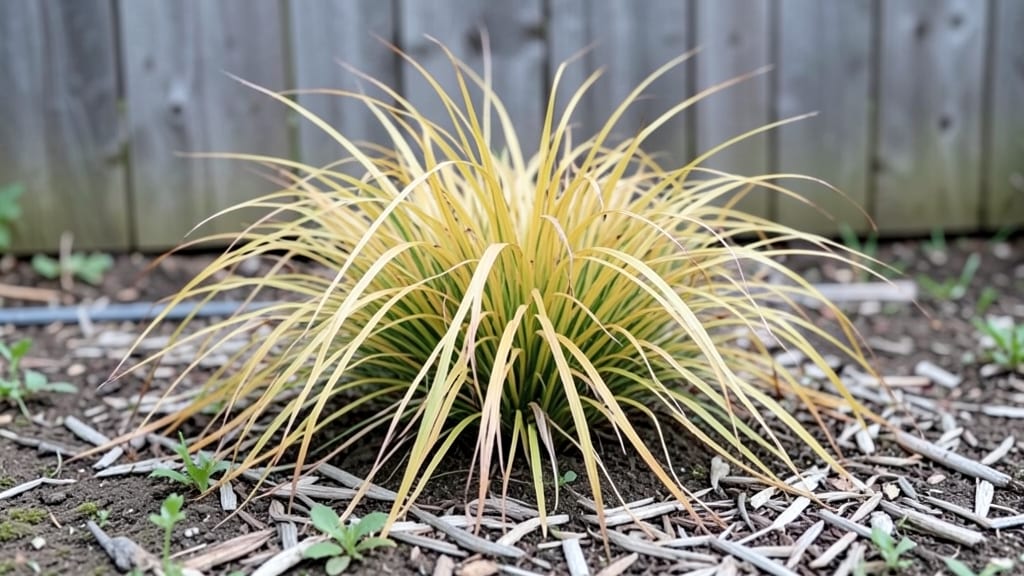
Japanese forest grass can handle full sun with the right conditions, though it naturally prefers dappled shade; prioritize well-draining soil, steady watering, and root protection with mulch while ensuring at least 6 hours of direct sunlight daily for lush, healthy growth.
Japanese forest grass actually originates in shaded understory environments, which explains why it often struggles in harsh, unfiltered sunlight. 🌿 The key to growing it in full sun lies in mimicking its native conditions—think of it as creating a microclimate with proper soil moisture and airflow.
I’ve found that morning sun with afternoon shade works best, especially in hotter climates where afternoon rays can scorch the delicate foliage. The right soil mix (sandy loam with compost) helps retain moisture while preventing root rot, which is critical when temperatures climb.
Another trick is to gradually acclimate young plants to full sun over 2-3 weeks, hardening them off just like you would with vegetables. This slow transition prevents leaf burn and keeps the vibrant green hues intact.
For established plants, a 2-3 inch layer of mulch acts like a cooling blanket for roots while suppressing weeds that compete for water. If your yard gets intense afternoon heat, consider planting near taller shrubs or trees to break the sun’s intensity naturally.
💡 In This Article
- Adapting Japanese Forest Grass to Full-Sun Conditions
- Best Practices for Planting and Maintaining Sunny Japanese Forest Grass
Adapting Japanese forest grass to full-sun conditions
Japanese forest grass (Hakonechloa macra) evolved in the dappled light of Japanese woodlands, where it receives only about 30-50% of full sunlight intensity through canopy gaps.
This means its native physiology is adapted to lower light levels, with thinner leaves and a slower photosynthetic rate compared to sun-loving grasses.
When exposed to direct sun, the plant's chlorophyll production accelerates, but without proper moisture and temperature regulation, this leads to oxidative stress—visible as yellowing or browning along leaf edges.
The key difference is in how the plant balances photosynthesis and photoprotection; in shade, it prioritizes energy conservation, while full sun demands rapid water and nutrient uptake to prevent damage.
The intensity of sunlight directly impacts growth rates and leaf color. Under 6-8 hours of direct sun, Japanese forest grass grows about 20-30% faster than in shade, but the foliage becomes more upright and less cascading.
This happens because higher light levels trigger increased production of abscisic acid, a plant hormone that hardens cell walls for structural support. However, if soil temperatures exceed 85°F, root activity slows, and the plant can't absorb enough water to compensate.
This is why mulching with 2-3 inches of organic material (like cedar chips) is critical—it maintains soil moisture while insulating roots from temperature swings. Without this protection, leaf tips often scorch within 2-3 weeks of full exposure.
Moisture retention plays an equally vital role in sun adaptation. Japanese forest grass has shallow roots that spread horizontally, making it highly sensitive to drought.
In full sun, the plant loses water through transpiration at a rate 30-50% faster than in shade, which is why consistent watering (about 1-1.5 inches per week) is non-negotiable.
The ideal soil mix for sun conditions should combine 50% sandy loam (for drainage) with 30% compost (for moisture retention) and 20% perlite (to prevent compaction). This blend mimics the airy, well-draining soils of its native forest floors while providing the hydration it craves in open areas.
Leaf color changes dramatically based on light exposure. In shade, the grass displays its signature blue-green or gold hues, thanks to lower chlorophyll production and higher anthocyanin content.
But under full sun, chlorophyll dominates, turning leaves a deep emerald green—though this can quickly shift to brown or crispy edges if moisture isn't adequate. The science here involves carotenoid pigments, which act as sunscreen for the plant.
When stressed, these pigments break down, leading to the unsightly browning. To prevent this, I recommend watering in the early morning to allow foliage to dry before evening, reducing fungal risks while maintaining hydration.
One often-overlooked factor is wind exposure. In full sun, wind can exacerbate moisture loss by 2-3 times compared to sheltered conditions. This is why planting Japanese forest grass near a low hedge or fence (about 3-4 feet tall) creates a microclimate that reduces evaporation.
The hedge blocks harsh afternoon winds while still allowing sunlight to filter through. For container growers, placing pots on elevated stands with saucers further helps by preventing water runoff and maintaining root zone moisture. This simple adjustment can extend the plant's lifespan in full sun by up to 50%.
What most gardeners don't realize is that Japanese forest grass can actually adapt to full sun over time, but only if introduced gradually. Start by placing young plants in 50% shade for their first 2 weeks, then increase exposure by 10-15% weekly until they reach full sun.
This hardening process strengthens the plant's cuticle layer (the waxy outer coating), which reduces water loss. Over 6-8 weeks, the grass will develop a thicker epidermis and more efficient stomata (pores) to regulate moisture. The result?
A plant that not only survives but thrives in full sun with richer, more vibrant foliage than its shade-grown counterparts. 💫