
Lawn
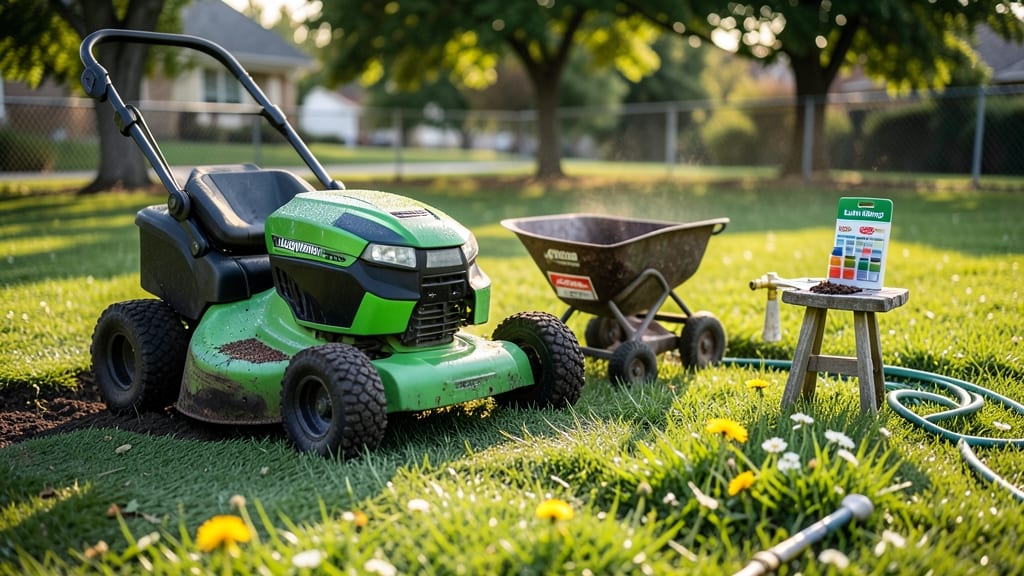
DC’s humid summers and clay-heavy soil turn lawn care into a constant battle—until you learn the right moves. 🌱 I’ve fought brown patches, fungus, and heat stress for years, but these tailored strategies keep my yard lush even when neighbors’ grass wilts by July.
The key isn’t just watering or mowing—it’s working with DC’s unique climate and soil instead of against it.
Start with the right grass: tall fescue or perennial ryegrass handle heat and humidity better than Kentucky bluegrass. Test your soil (local nurseries like The Garden Center offer free tests)—DC’s clay compacts easily, so amending with compost or sand helps drainage.
Water deeply twice a week (early morning) to encourage deep roots, and avoid leaving grass clippings to pile up (they smother the lawn).
Heat stress hits hard in August, but vertical mowing (raising the blade to 3–4 inches) shades the roots while keeping growth manageable. For fungus-prone areas, apply a cornmeal-based fungicide in early spring—it’s organic and works better than chemical sprays in DC’s damp air.
The payoff? A lawn that stays vibrant green through summer without constant patching.
Local nurseries like The Garden Center or Plants of Washington stock DC-adapted grasses and tools, so you’re not guessing. Skip the generic advice—these tweaks make all the difference in our climate. Ready to stop fighting your lawn and start nurturing it?
📚 In This Guide
- What you need
- Instructions
- Tips and common mistakes
- Wrapping up and next steps
What you need
- ● High-quality grass seed: Choose tall fescue (shade-tolerant) or Kentucky bluegrass (heat-resistant). 10–20 lbs per 500 sq ft for overseeding.
- ● Organic compost: 2–3 inches spread evenly for soil enrichment.
- ● Mulch (straw or wood chips): 1–2 inches to retain moisture and suppress weeds.
- ● Lawn mower: Adjust height to 3–4 inches (never cut more than ⅓ of grass height at once!).
- ● Rake (bow or leaf rake): For debris removal and seed bed prep.
- ○ Broadcast spreader: For even fertilizer/seed distribution (optional but recommended).
- ● Soil pH test kit: DC’s clay soil often needs lime (pH 6.0–7.0) or sulfur.
- ● Watering system: Sprinkler or hose with nozzle (early morning watering = 1–1.5 inches/week).
- ● Pre-emergent herbicide: Apply in early spring to block weeds.
- ● Lawn aerator: Rent one to core-aerate compacted DC soil 1–2x/year.
- ● Dethatcher: For thatch layers ½-inch thick or thicker.
- ● Slow-release fertilizer: N-P-K ratio 20-10-10 for DC’s heat.
Step-by-step lawn care routine for DC’s humid climate
DC’s summer heat and humidity demand a tailored approach. Here’s the seasonal routine I’ve perfected for keeping lawns lush without overwatering or inviting pests.
🌱 Step 1: Spring Aeration and Overseeding
Start in late April to early May when soil temperatures hit 60°F. Rake out winter debris first—thatch buildup suffocates roots. Use a core aerator to pull 3-4 inch deep plugs every 6 inches apart. This relieves compaction from last winter’s freeze-thaw cycles, which DC’s clay-heavy soil worsens.
Overseed with tall fescue or fine fescue blends—they thrive in DC’s heat and shade. Spread ¼ pound per 100 sq ft evenly, then lightly rake to ensure seed-to-soil contact. Water immediately with a gentle mist until the top ½ inch feels damp. This prevents seeds from drying out before germination.
☀️ Step 2: Summer Watering and Mowing Adjustments
DC’s humidity means watering early morning (5-7 AM) is critical. Set your sprinklers for ½ to ¾ inch per week, splitting into 2-3 sessions. Let grass blades dry by afternoon to prevent fungal diseases like brown patch, which thrives in DC’s muggy afternoons.
Raise mower blades to 3-4 inches during peak summer heat. Taller grass shades roots, reducing moisture loss. Never remove more than ⅓ of the blade height at once—this stresses grass and invites weeds. Sharpen mower blades monthly; dull blades tear grass, creating entry points for disease.
💧 Step 3: Fall Fertilization and Pest Prevention
Apply a slow-release, low-nitrogen fertilizer (10-0-10 ratio) in early September when daytime temps drop below 80°F. DC’s summer heat exhausts grass, so this rebuilds roots before winter. Spread ½ pound per 1,000 sq ft and water deeply afterward to activate granules.
Monitor for chinch bugs and grubs—both explode in DC’s fall humidity. Hand-pick chinch bugs (they’re tiny black bugs near grass blades) or apply neem oil as a preventative. For grubs, apply beneficial nematodes in October when soil temps are 65-75°F. These microscopic worms target grubs without harming your lawn.
✂️ Step 4: Winter Preparation and Early Spring Prep
Leave grass 3-4 inches tall through winter—it insulates roots from DC’s occasional hard freezes. In February, apply a pre-emergent herbicide to block crabgrass, which germinates when soil hits 55°F. Follow up with a light nitrogen top-dressing (½ pound per 1,000 sq ft) in March to jumpstart spring growth.
Test soil pH in early spring—DC’s clay often locks pH at 6.0 or lower. If needed, apply lime (½ pound per 100 sq ft) to raise pH to 6.5-7.0. This unlocks nutrients and sets up your lawn for another successful season. Here’s the thing—skipping this step means wasted fertilizer, because nutrients bind in acidic soil.
Tips & tricks for DC lawn care in humid heat
DC’s summer humidity turns lawn care into a delicate balance—too much water and you invite pests, too little and your grass wilts. Here’s how to stay ahead of the game.
Soil Temperature Timing: That 60°F soil temperature in late April isn’t just a suggestion—it’s the sweet spot for spring aeration. Use a soil thermometer to confirm before seeding. I’ve learned the hard way that cooler soil delays germination, leaving your lawn vulnerable to weeds. If temps dip below 55°F, wait a few days or use a seed blanket to retain warmth.
Watering Precision: The ½ to ¾ inch weekly guideline is non-negotiable, but how you deliver it matters. Early morning watering (5-7 AM) prevents fungal diseases, but split sessions work best—2-3 shorter waterings encourage deeper root growth. I’ve seen brown patch spread like wildfire when people water in the evening, so set reminders if needed.
Equipment Check: Your mower blades are your first line of defense against disease. Dull blades tear grass, creating perfect entry points for pathogens in DC’s humid air. Sharpen them monthly—it takes 10 minutes and saves hours of cleanup later. Pro tip: Test blade sharpness by running your finger along it; if it catches, it’s time to sharpen.
Fertilizer Activation: After spreading that ½ pound per 1,000 sq ft of slow-release fertilizer, don’t just walk away. Water deeply to dissolve granules—this activates nutrients and prevents runoff. I’ve seen entire bags of fertilizer wash away because homeowners skipped this step. A good soak (about ½ inch of water) ensures your grass gets the full benefit.
Pro Tips for Lawn Care Dc
- DC’s summer humidity turns lawn care into a delicate balance—too much water and you invite pests, too little and your...
- Soil Temperature Timing: That 60°F soil temperature in late April isn’t just a suggestion—it’s the sweet spot for spr...
- Watering Precision: The ½ to ¾ inch weekly guideline is non-negotiable, but how you deliver it matters. Early morning...
Frequently asked questions
Got questions about keeping your DC lawn lush and vibrant through the city’s humid summers and unpredictable weather? Here are some of the most common concerns—and answers—to help you maintain a healthy lawn year-round.
When is the best time to fertilize my DC lawn?
For optimal results, fertilize your lawn in early spring (March–April) and fall (September–October). DC’s hot summers can stress grass, so avoid fertilizing during peak heat (June–August). A slow-release, organic fertilizer works best for our humid climate.
Why does my lawn turn brown in summer, even with regular watering?
Brown patches in summer are often caused by heat stress, fungal diseases (like brown patch), or overwatering. Water deeply early in the morning (4–8 AM) to reduce evaporation, and avoid walking on wet grass. If the issue persists, test your soil pH—DC’s clay soil can trap moisture and promote fungal growth.
Is hiring a lawn care service worth it in DC, or can I DIY?
It depends on your schedule and expertise! DIY works for basic tasks (mowing, watering, weeding), but DC’s humid climate and pests (like chinch bugs or grubs) may require professional treatment. Services often include soil testing, aeration, and pest control—saving you time and ensuring long-term health.
What’s the best grass type for DC’s hot, humid summers?
Opt for tall fescue or Kentucky bluegrass—both tolerate heat and shade well. Tall fescue stays green longer in drought, while bluegrass recovers faster from foot traffic. Avoid Bermuda grass (it goes dormant in winter) unless you’re okay with seasonal changes.
How often should I mow my lawn in DC, and what height should I set my mower?
Mow every 5–7 days during growing season (spring–fall) to prevent thatch buildup. Set your mower to 3–4 inches—taller grass shades roots, retains moisture, and resists weeds. Never remove more than ⅓ of the blade at once to avoid stressing the grass.
What pests are most common in DC lawns, and how do I prevent them?
Watch for chinch bugs, grubs, and armyworms, which thrive in DC’s heat. Prevent them by:
- Aerating your lawn in spring/fall to improve airflow.
- Watering deeply (1–1.5 inches per week) to discourage bugs.
- Applying pre-emergent herbicides in early spring to stop weed pests.
Wrapping up and next steps
A lush, vibrant lawn in DC’s humid climate is totally within reach—whether you’re tackling seasonal challenges or fine-tuning your routine! 🌿 With the right tools, knowledge, and a proactive approach, you can keep your yard thriving year-round, even through summer’s heat and winter’s chill.
Ready to take the next step? Start small: pick one tip from this guide to test this weekend, or book a consultation with a local lawn care pro to customize a plan for your space. Your dream green oasis is just a mow (or trim) away! 🌟