
Fertilization
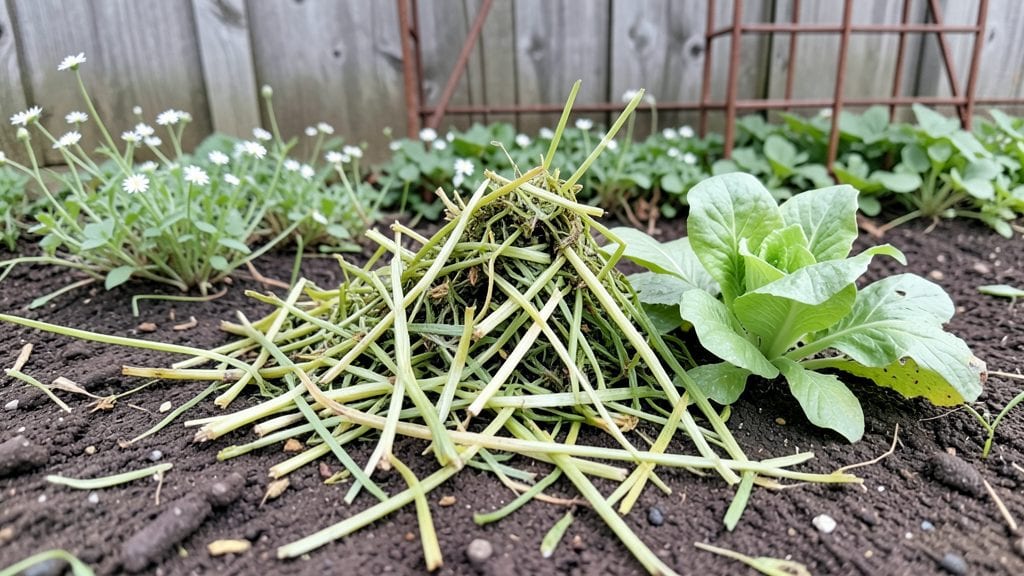
Lawn clippings as fertilizer returns vital nutrients like nitrogen, phosphorus, and potassium to your yard, but improper application can smother grass or attract pests. Spread thinly after mowing and water lightly to prevent thatch buildup or fungal growth.
Grass clippings act as a natural, slow-release fertilizer when used correctly, boosting soil health without the harsh chemicals of synthetic options. 🌱 The key is balance—too much can create a thick layer that blocks sunlight and air, while the right amount enhances microbial activity in your lawn.
I’ve seen firsthand how leaving clippings after mowing can reduce water needs by up to 25% while improving soil structure over time.
For best results, use a mulching mower to chop clippings finely, then spread them evenly. This method mimics nature’s cycle, returning organic matter to the soil while avoiding common pitfalls like thatch accumulation.
Always check for signs of disease before leaving clippings—if your lawn has fungal issues, it’s safer to remove them temporarily.
💡 In This Article
- Nutrient Breakdown: What Lawn Clippings Bring to Soil
- Proper Techniques for Applying Grass Clippings Safely
Nutrient breakdown: what lawn clippings bring to soil
Lawn clippings are essentially a slow-release organic fertilizer packed with 2-4% nitrogen, 0.5-1% phosphorus, and 1-2% potassium by dry weight. This nutrient trifecta mirrors the NPK ratios of many commercial fertilizers but delivers them in a more balanced, soil-friendly way.
The nitrogen content comes primarily from grass proteins breaking down, while phosphorus and potassium are released as the organic matter decomposes. What makes clippings unique is their high carbon-to-nitrogen ratio (C:N ~20:1), which provides both immediate and long-term benefits for soil microbes.
The organic matter in clippings improves soil structure by increasing porosity and water retention—think of it as adding tiny, natural sponge-like particles that hold moisture while allowing air circulation.
Studies show that regular clipping return can boost soil organic matter by 0.5-1% annually, which enhances microbial activity by up to 30%. This microbial boost is crucial because these tiny organisms break down thatch, cycle nutrients, and create a healthier root zone for your grass.
Unlike synthetic fertilizers that provide quick but short-lived nutrient spikes, clippings create a gradual, sustainable feeding system that mimics natural ecosystems.
Here's how the nutrients work in practice: The nitrogen promotes leafy growth, phosphorus strengthens root systems, and potassium improves drought resistance. For example, a 10,000 sq ft lawn might produce about 200 lbs of clippings annually—enough to supply roughly 4 lbs of nitrogen back to the soil.
This natural cycle reduces your need for chemical fertilizers by 25-50%, while also cutting water usage by improving soil's moisture-holding capacity. The key difference from synthetic fertilizers is that clippings also add beneficial organic compounds that improve soil texture and microbial diversity.
What most people don't realize is that clippings contain trace minerals like calcium, magnesium, and sulfur that synthetic fertilizers often lack. These micronutrients become available as the clippings decompose, creating a more complete fertilizer profile.
The decomposition process also produces humic acids, which help bind soil particles together while improving nutrient availability.
This is why lawns that regularly use clippings as fertilizer often develop deeper, more resilient root systems—roots can grow up to 25% deeper in just one growing season when organic matter is properly cycled back into the soil.
For comparison, a typical 10-10-10 synthetic fertilizer delivers equal parts nitrogen, phosphorus, and potassium, but lacks the organic matter benefits. Clippings provide a more balanced approach: about 3-1-2 NPK ratio by weight, with the added advantage of improving soil structure.
The organic matter from clippings also helps prevent soil compaction, which is a common issue with heavy synthetic fertilizer use. Over time, this leads to lawns that are more drought-resistant and better able to handle foot traffic.
One important consideration is that the nutrient value varies based on grass type and growing conditions. Cool-season grasses like fescue typically have slightly higher nitrogen content than warm-season grasses like Bermuda, which means their clippings may decompose faster.
The decomposition rate also depends on clipping thickness—finer mulch decomposes in 2-4 weeks, while thicker layers can take 6-8 weeks to break down completely. This variability is why proper application techniques are crucial for maximizing benefits.