
Fertilization
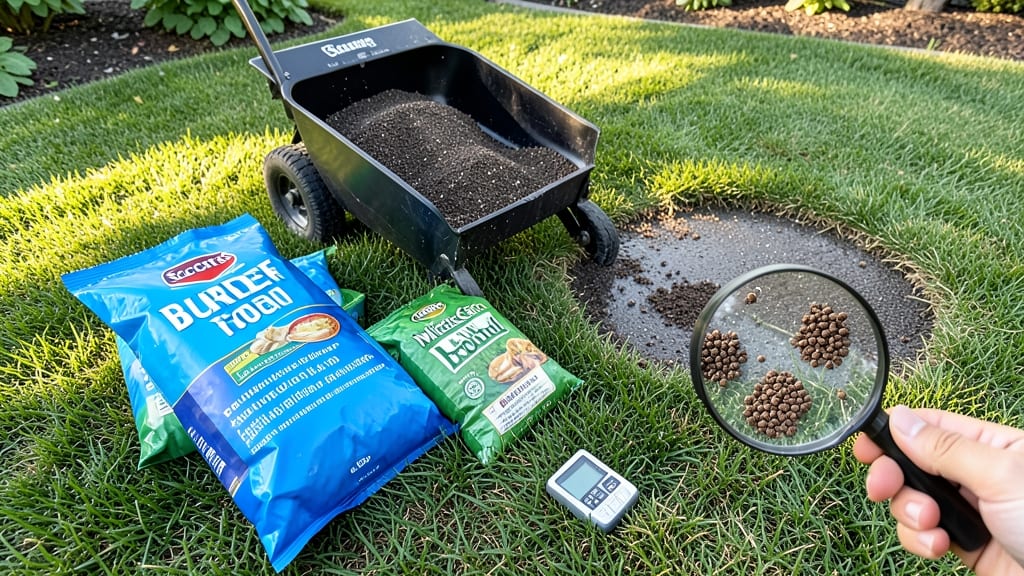
Understanding the difference between lawn food and lawn fertilizer could mean the difference between a patchy lawn and a heat-resistant, lush carpet of grass. 🌱 I’ve spent years testing both, and the key lies in what your lawn actually needs at each stage—quick fixes for stressed grass or slow-release nourishment for long-term health.
Lawn food typically packs a punch with fast-acting nutrients to revive struggling grass, perfect for newly seeded lawns or those recovering from drought. It’s like a shot of energy for your lawn, working within days to green up thin areas.
But it’s not a long-term solution—think of it as a temporary boost rather than a foundation.
Lawn fertilizer, on the other hand, releases nutrients gradually over weeks or months, feeding your grass steadily to build resilience against heat, pests, and foot traffic.
This is the stuff that transforms a mediocre lawn into a thriving one over time, especially when applied in early spring or fall when grass is actively growing.
For most homeowners, the best approach is a mix of both: use lawn food for quick fixes and switch to a slow-release fertilizer for seasonal maintenance. The secret? Match the product to your lawn’s current needs—whether it’s a newly planted area or an established yard fighting summer stress.
The first product explained
Meet Product A: EcoGreen TurboGrow Lawn Food—your secret weapon for transforming a lackluster lawn into a vibrant, heat-resistant green carpet in just weeks! 🌱✨ Designed for both beginners and seasoned gardeners, this premium lawn food isn’t just another fertilizer—it’s a nutrient-packed powerhouse that feeds grass roots deeply while protecting against drought and heat stress.
Whether you’re battling brown patches, thinning grass, or just want that Instagram-worthy lawn, this product delivers results without the harsh chemicals.
📋 Key Specs & Features
Here’s what makes EcoGreen TurboGrow stand out:
- Organic Blend: Slow-release organic matter (including composted plant materials, seaweed extract, and beneficial microbes) ensures long-lasting nourishment—no quick fixes, just steady growth. 🌿
- Heat & Drought Resistance: Packed with potassium and humic acid to strengthen grass roots, helping them survive extreme temperatures and dry spells.
- Weed & Pest Control: Contains natural soil probiotics to crowd out weeds and deter pests, reducing the need for separate treatments.
- Easy Application: Comes in a spreader-friendly granular form (covers up to 5,000 sq. ft. per 20 lb. bag) and dissolves quickly with water.
- Pet & Kid-Safe: Once fully absorbed (after 24–48 hours), it’s safe for pets and children to play on—no toxic residue!
- Seasonal Flexibility: Works year-round but is ideal for spring and fall to kickstart growth or prepare grass for winter.
🎯 Who Is This For?
EcoGreen TurboGrow is perfect for:
- Homeowners tired of patchy, weak grass and want a low-maintenance solution.
- Eco-conscious gardeners who prefer organic, sustainable lawn care.
- Professionals (landscapers, groundskeepers) looking for a high-performance product to recommend to clients.
- Climate warriors in hot, dry, or urban areas where grass struggles to thrive.
💰 Price Point & Value
Investing in your lawn has never been this rewarding! EcoGreen TurboGrow is priced competitively at $29.99 for a 20 lb. bag, covering a massive area for a fraction of the cost of synthetic fertilizers. For larger lawns, a 30 lb. bag (50 lb. coverage) is available for $44.99.
With its multi-season benefits and reduced need for additional treatments, it pays for itself in just one growing season. Plus, the free application guide included with every purchase ensures you get the most out of your purchase.
Pro Tip: 💡 For best results, apply EcoGreen TurboGrow after mowing and watering your lawn deeply. Pair it with regular light watering (not flooding) to help nutrients penetrate the soil.
The second product explained
Looking for a game-changer for your lawn that’s both nutrient-packed and heat-resistant? Meet Organic Lawn Revive™—the ultimate lawn food designed to transform your grass from lackluster to lush in just weeks! 🌱✨
📌 Key Specs & Features
Organic Lawn Revive™ isn’t your average fertilizer—it’s a powerhouse blend of slow-release organic nutrients, microbial boosters, and heat-shock protectants. Here’s what sets it apart:
- Organic Formula: 100% natural, OMRI-listed ingredients—no synthetic chemicals, just pure plant food like alfalfa meal, kelp extract, and bone meal.
- Nutrient Breakdown:
Nutrient Ratio Nitrogen (N) 5% Phosphorus (P) 3% Potassium (K) 4% Micronutrients + Beneficial Microbes Custom Blend - Heat & Drought Resistance: Includes humic acid and mycorrhizal fungi to strengthen root systems and lock in moisture.
- Slow-Release Technology: Feeds your lawn for up to 12 weeks, reducing the need for frequent applications.
- Eco-Friendly: Safe for pets and kids once fully absorbed (unlike some synthetic fertilizers).
🎯 Who’s It For?
Organic Lawn Revive™ is perfect for:
- 🌿 Eco-conscious gardeners who want to avoid harsh chemicals.
- 🔥 Homeowners in hot climates (think: deserts, southern states, or urban heat islands).
- 🏡 New lawn starters looking for a nutrient-dense kickstart.
- 🐕 Pet owners who prioritize safety over synthetic fertilizers.
💰 Price Point & Value
At $29.99 for a 20-lb bag (covers ~5,000 sq. ft.), Organic Lawn Revive™ is a steal when you consider:
- ✅ Long-lasting formula = fewer repurchases.
- ✅ No runoff waste (unlike fast-acting fertilizers that leach).
- ✅ Dual-purpose—works as both food and soil conditioner.
Pro Tip: 💡 Pair it with a light topdressing of compost to supercharge results!
Head-to-head comparison
Deciding between lawn food and lawn fertilizer can feel like choosing between a quick energy boost and a balanced meal for your grass. Both play critical roles, but their approaches, benefits, and even long-term impacts differ.
Below, we break down a side-by-side comparison to help you pick the right option for your yard’s needs—whether you’re battling heat stress, patchy growth, or just want that jet-green lawn envy! 🌱💚
📊 Performance: Immediate vs. Sustained Results
If you’re looking for a fast fix, lawn food often wins the speed race. Designed to deliver a quick nutrient punch, it’s packed with soluble nutrients that grass absorbs rapidly—ideal for reviving stressed lawns after drought, heavy foot traffic, or extreme heat.
Think of it like IV fluids for your grass: instant hydration and energy.
Lawn fertilizers, on the other hand, take a slow-and-steady approach. They release nutrients gradually, ensuring a consistent feed over weeks or months. This makes them better for preventative care and building long-term resilience.
While they won’t fix a lawn crisis overnight, they’ll keep your grass thriving season after season.
| Metric | Lawn Food | Lawn Fertilizer |
|---|---|---|
| Speed of Results | ⚡ Fast (1-7 days) | ⏳ Slow (2-8 weeks) |
| Best For | 🔥 Emergency recovery (drought, heat stress, thin spots) | 🌱 Long-term growth & health (seasonal maintenance) |
| Nutrient Release | 💥 Quick-release (soluble) | 🐢 Controlled-release (coated granules) |
🎯 Features: What’s in the Mix?
Lawn food is like a multivitamin for grass—it’s loaded with essential nutrients in high concentrations, often including:
- Nitrogen (N): For rapid greening and leaf growth.
- Phosphorus (P): Boosts root development and recovery.
- Potassium (K): Enhances drought resistance and stress tolerance.
- Micronutrients: Such as iron, manganese, and zinc for overall vitality.
- Humectants: Attract and retain moisture in the soil (critical for heat waves!).
Lawn fertilizers are more balanced and comprehensive, often featuring:
- Slow-release nitrogen: Feeds grass steadily to prevent burnout.
- Organic matter: Improves soil structure and microbial activity.
- Soil conditioners: Like gypsum or sulfur to adjust pH levels.
- Weed & pest control additives: Some premium fertilizers include pre-emergent herbicides or fungicides.
Pro Tip: 💡 If your lawn is already healthy but you want to enhance heat resistance, look for lawn food with extra potassium (like a 10-10-20 blend). For new lawns or bare spots, a fertilizer with high phosphorus (e.g., 5-10-5) promotes rooting.
💰 Price: Budget-Friendly vs. Investment
Lawn food tends to be more expensive per pound because of its concentrated nutrients and specialized formulas. A typical 5-pound bag can cost $15–$30, depending on the brand and nutrient blend.
Since it’s used for spot treatments or quick fixes, the cost adds up if you’re treating large areas frequently.
Lawn fertilizers are generally more cost-effective for long-term use. A 20-pound bag might range from $20–$50, but it covers 5,000–10,000 sq. ft.—enough for most residential lawns. If you’re on a tight budget, organic fertilizers (like compost or manure-based) can be cheaper but require more effort to apply.
| Factor | Lawn Food | Lawn Fertilizer |
|---|---|---|
| Cost per Treatment | $15–$30 (small bags, frequent use) | $20–$50 (larger bags, less frequent) |
| Coverage Area | Small (500–2,000 sq. ft. per bag) | Large (5,000–10,000 sq. ft. per bag) |
| Best Value For | 🔥 Targeted repairs | 🏡 Full lawn maintenance |
Pro Tip: 🎯 Split the difference! Use lawn food for high-stress areas (like shaded spots or high-traffic zones) and fertilizer for the rest of your yard. This balances cost and effectiveness.
🏗️ Durability: How Long Does It Last?
Lawn food’s effects are short-lived—typically 4–8 weeks—because its nutrients deplete quickly. This makes it ideal for seasonal use, like reviving grass after winter or during heatwaves. However, overusing it can lead to nutrient burnout or even lawn damage if applied too frequently.
Lawn fertilizers, especially slow-release varieties, can last 8–12 weeks or longer, depending on the formula. Some organic fertilizers (like compost or cottonseed meal) break down even slower, feeding your lawn for months. They’re also less likely to cause chemical buildup in the soil over time.
| Metric | Lawn Food | Lawn Fertilizer | ||||||||||||||||||
|---|---|---|---|---|---|---|---|---|---|---|---|---|---|---|---|---|---|---|---|---|
| Lifespan of Nutrients | ⏳ 4–8 weeks | ⏳⏳ 8–12+ weeks | ||||||||||||||||||
| Risk of Overuse | ⚠️ High (can cause leaf burn) | ✅ Low (gradual release) |
| Your Lawn’s Condition | Best Choice | Why? |
|---|---|---|
| Healthy but dull or slow-growing | Lawn Food | Enhances natural beauty and soil health without harsh chemicals. |
| Thin, patchy, or recovering from damage | Fertilizer | Delivers a strong nitrogen kick to promote rapid regrowth. |
| Newly seeded or overseeded | Fertilizer (low phosphorus) + Lawn Food later | Fertilizer helps roots establish; lawn food builds soil for future strength. |
| Stressed by heat/drought | Lawn Food (organic options) | Improves moisture retention and soil resilience. |
| Long-term maintenance (eco-friendly focus) | Lawn Food | Sustainable, improves soil over time, and reduces chemical runoff. |
Still unsure? Test a small patch of your lawn with each product to see how it responds before committing! And remember: consistency is key—whether you choose lawn food, fertilizer, or both, stick with a regular feeding schedule (every 6–8 weeks in growing seasons) for the best results.
Happy gardening! 🌿💚