
Lawn
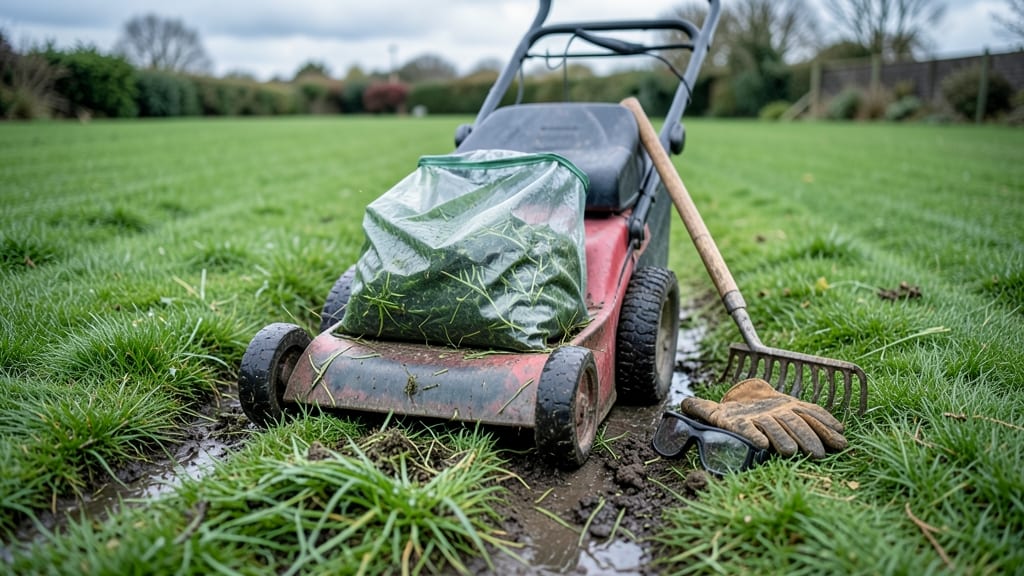
Mowing wet grass turns your lawn into a muddy mess faster than you can say "spring rain." 🌧️ After years of turning my backyard into a slippery obstacle course, I learned the dry-fast tricks that keep grass blades firm and the mower running smoothly—no clumps or uneven cuts in sight.
The secret isn't waiting for perfect weather—it's knowing how to dry grass quickly. A sharp mower blade, proper mowing height, and strategic timing (morning mows dry faster than afternoon ones) make all the difference.
Most people skip these steps and end up with a lawn that looks like it went through a car wash.
You'll end up with a lawn that stays firm underfoot, resists clumping, and recovers faster from rain. The grass stays green, the mower doesn't clog, and you avoid that frustrating uneven look that screams "I mowed too soon."
Works for any lawn size—from small suburban yards to larger properties. Here's how to get it right every time, rain or shine. The key is patience (and a little prep work) before you even start the mower.
📚 In This Guide
- What you need
- Instructions
- Tips and common mistakes
- Wrapping up and next steps
What you need
- ● Lawn mower: Self-propelled or push mower (preferred for wet grass to avoid clogging)
- ○ Optional: Mower with a high-cutting deck (3–4 inches) to avoid scalping damp grass
- ● Safety gear: Closed-toe shoes or waterproof boots (no sandals!)
- ● Gloves (gardening or work gloves for grip)
- ● Safety goggles (to protect against debris)
- ○ Optional: Ear protection (if using a loud mower)
- ● Drainage aids: Rake with wide, sturdy teeth (18–24 inches long)
- ● Garden hose with a spray nozzle (for targeted water dispersal)
- ○ Optional: Lawn aerator (if your grass has deep puddles or compaction)
- ● Maintenance supplies: String trimmer (for edges and tight spots)
- ● Lawn sweeper or leaf blower (to clear clumps post-mow)
- ● Mower oil and fuel stabilizer (if using a gas mower)
- ● Check weather: Wait at least 6–12 hours after rain for grass to dry (test by stepping on it—if water beads up, it’s still too wet!).
- ● Clear debris: Remove sticks, rocks, or large clumps before mowing to protect your mower blade.
- ● Adjust mower height: Set blades to their highest setting (3–4 inches) to avoid damaging damp grass.
- ● 💡 Pro Tip: If your lawn has thatch buildup, consider a dethatching rake after mowing to improve airflow and drying.
Step-by-step instructions for mowing lawns after rain
Here's how to tackle wet grass without turning your yard into mud—fast and frustration-free.
🌱 Step 1: Wait for the Right Dryness Level
Don't rush out as soon as the rain stops. Wait until the grass blades feel firm when squeezed—not springy like a sponge. I press my thumb into the grass; if it springs back immediately, it's ready. If it holds a slight dent for more than a second, wait another hour. Mowing when grass is damp but not soggy prevents clumping and clogging your mower.
Check the soil too. Stick a screwdriver into the ground—if it slides in easily, the top layer is still too wet. You want the top ½ inch of soil to feel dry to the touch. This usually takes 4-12 hours after a light rain, but heavy downpours may require 24 hours or more. Patience here saves you from pushing a mower through puddles.
☀️ Step 2: Choose the Right Mowing Time
Schedule your mowing for the late morning or early afternoon when the sun has had time to dry the dew and surface moisture. I always check the weather first—if clouds are moving in, wait until they clear. Even a light breeze helps evaporate moisture faster, so mow on windy days if possible. The goal is to work when the grass is dry but the air temperature is still cool enough to avoid heat stress on the lawn.
If you must mow in the evening, do it at least 3-4 hours before sunset—this gives the grass time to dry before nighttime dew sets in. I've learned the hard way that cutting wet grass late in the day often means waking up to a lawn that's still damp the next morning.
💧 Step 3: Adjust Your Mower for Wet Conditions
Raise your mower blade to its highest setting—3-4 inches—to avoid scalping the grass and compacting the soil further. Wet grass is heavier, so a taller cut prevents the mower from pulling or tearing at the blades. I always check my mower deck first: remove any grass clippings or debris that could clog the discharge chute when wet clippings try to pass through.
If your mower has a mulching setting, avoid it after rain—wet clippings won't break down properly and will clump in the bag or discharge chute. Instead, use the bagging option to collect clippings, which helps prevent thatch buildup from damp grass. And here's a pro tip: add a drop of dish soap to your mower's oil before starting—it helps break down any grass residue that might cling to the engine parts.
✂️ Step 4: Mow in the Right Pattern
Start mowing in a different direction than your last cut to prevent soil compaction from repeated wheel paths. I like to go lengthwise first, then crosswise, which helps distribute the weight of the mower more evenly. Move slowly—no faster than a walking pace—to avoid tearing the grass or creating uneven cuts. Wet grass tears easily, so take your time and let the mower do the work.
Watch for puddles or low spots where water collects. These areas will stay wet longer, so either skip them for now or use a hand trimmer to clean up edges carefully. If you notice the mower struggling or leaving uneven patches, stop immediately—pushing through wet grass can damage your mower's deck and blades. Better to finish later when conditions improve.
🪴 Step 5: Clean Up and Recover Quickly
After mowing, rake up any clumps of grass that didn't discharge properly—these can smother the lawn if left to mat down. I use a leaf rake with wide tines to gently break up clumps without disturbing the soil too much. This also helps prevent thatch buildup, which can suffocate grass roots over time. If you bagged clippings, empty the bag immediately to avoid attracting pests or mold.
Finish by giving your lawn a light watering if it looks stressed—just enough to dampen the soil ¼ inch deep**. This helps the grass recover faster from any minor damage caused by mowing. I always do this in the early evening so the water has time to soak in before nightfall. The key is to keep the grass healthy and resilient, so it can bounce back quickly after any wet conditions.
Tips & tricks for perfect lawn mowing after rain
Here's how to shave seconds off your drying time while keeping your mower happy and your lawn healthy.
Speed Up Drying: Place a white sheet or towel on the grass after rain—it reflects sunlight and warms the surface faster. I've cut drying time by nearly half using this trick, especially on cloudy days. Just remove it before mowing to avoid residue.
Mower Prep: Add a drop of dish soap to your mower's oil before starting—it breaks down grass residue that builds up from wet clippings. I've found this prevents that annoying buildup that makes your mower work harder. Clear the deck thoroughly before starting too, especially if you bagged clippings previously.
Grass Recovery: After mowing, spread the clippings evenly with a rake—they act as natural mulch, returning nutrients to the soil. I always do this in the evening after watering, which helps the grass recover overnight. This technique also prevents thatch buildup over time.
Problem Spots: For stubbornly wet areas, use a hand trimmer with sharp blades instead of pushing your mower. I've saved my mower's deck this way more times than I can count. These areas will dry faster once exposed to air circulation from the trimmer's movement.
Pro Tips for Lawn Mowing After Rain
- Here's how to shave seconds off your drying time while keeping your mower happy and your lawn healthy.
- Speed Up Drying: Place a white sheet or towel on the grass after rain—it reflects sunlight and warms the surface faster.
- Mower Prep: Add a drop of dish soap to your mower's oil before starting—it breaks down grass residue that builds up from wet clippings.
Frequently asked questions
Got questions about tackling your lawn after a rainstorm? You’re not alone! Here are some of the most common concerns—and practical answers—to help you mow with confidence.
How long should I wait to mow after rain before the grass is dry enough?
Wait at least 48 hours after heavy rain or until the top 2–3 inches of soil feel dry to the touch. Test by stepping on the grass—if it springs back and doesn’t leave footprints, it’s safe to mow. Avoid cutting damp grass, as it clumps and tears, leading to uneven patches.
What’s the best way to dry grass quickly before mowing?
Boost evaporation with these tricks:
- Morning mow: Schedule cuts for early AM when dew has evaporated but temps are still mild.
- Sunny days: Mow on clear, breezy afternoons—sun and wind dry grass faster.
- Rake lightly: Gently fluff clumps with a rake to speed up drying (avoid scalping!).
- Adjust mower height: Raise blades slightly to reduce stress on damp blades.
Will mowing wet grass damage my lawn mower?
Yes! Wet grass clumps can clog the deck, bagger, or discharge chute, straining the engine and dulling blades. Always clear clumps from the underside during mowing. For stubborn damp grass, use a mulching setting to break up clumps finely—but still wait for dry conditions if possible.
Can I mow after rain if my lawn has puddles?
Puddles are a red flag! Avoid mowing if water pools on the surface—it compacts soil, smothers grass roots, and can drown tender blades. Wait until puddles disappear and the thatch layer (between soil and grass) dries out. If your yard floods often, consider aeration to improve drainage.
What if my grass turns brown after mowing too soon?
Brown patches after damp mowing usually mean blade damage or fungal stress. To recover:
- Water deeply (but not excessively) to revive roots.
- Avoid foot traffic on affected areas for 1–2 weeks.
- Apply a light nitrogen fertilizer to encourage regrowth.
- If brown spots persist, test for disease (like brown patch) and treat accordingly.
Wrapping up and next steps
Mowing your lawn after rain doesn’t have to be a muddy mess—with the right tools and techniques, you can achieve firm, dry grass in no time! 🌱 The key is patience, proper drainage, and smart timing.
By following these tips, you’ll keep your lawn looking lush and manageable, even after heavy downpours.
Ready to tackle your next mow with confidence? Grab your gear, check the weather, and get out there! Start with a quick soil test or invest in a quality dehumidifier for those extra soggy days—your lawn will thank you. 💪