
Lawn
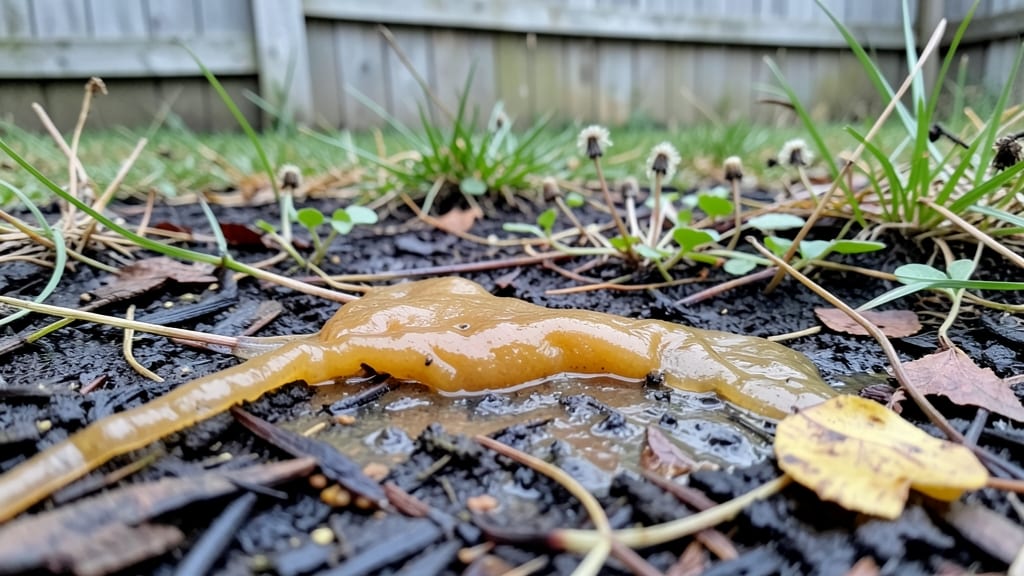
That neon-green lawn slime mould is the uninvited guest ruining your freshly cut grass’s pristine look. Slime mould isn’t a fungus or pest—it’s a temporary, harmless invader that thrives when grass gets too damp and shaded.
I’ve scrubbed it off my own lawn after heavy rains, and the good news is you can banish it without harsh chemicals in under an hour.
The key is acting fast while it’s still wet—slime mould dries up and disappears on its own, but scrubbing speeds up the process and prevents it from spreading to your patio or garden beds. Grab a stiff brush, a hose, and a little elbow grease (no bleach needed).
Most importantly, fix what’s causing it: improve drainage, thin out dense grass, or trim overhanging branches letting shade pool in one spot.
Once you’ve scrubbed it away, your lawn will look like it did before the invasion—lush and green, not like a science experiment gone wrong. The scrubbing itself is the only treatment you’ll need, and the results are instantly visible.
Just don’t let that damp, shaded spot linger, or it’ll be back next time the weather turns gloomy.
Prevention is easier than cleanup: keep your lawn mowed to the right height, water in the early morning so it dries by evening, and rake up fallen leaves that trap moisture.
If slime mould keeps coming back, it’s time to check your soil’s drainage or even consider a different grass type for shady areas. Trust me, your lawn will thank you.
Why it happens
That unmistakable, slimy yellow or orange film creeping across your lawn isn’t just unsightly—it’s a biological response to specific conditions. Understanding why it happens is the first step to preventing it from turning your grass into a science experiment gone wrong.
Here’s what’s really going on under the surface of your yard.
🌧️ Too Much Moisture and Poor Drainage
Slime mould thrives in damp, humid environments, and your lawn becomes its perfect breeding ground when water lingers. Here’s the science:
- Overnight dew or heavy rain leaves grass blades saturated, creating a high-moisture microclimate. Slime mould spores, which are always present in soil, germinate when humidity exceeds 90%.
- Compacted or clay-heavy soil acts like a sponge, trapping water instead of allowing it to drain. Test your lawn’s drainage by digging a small hole (6 inches deep) and filling it with water—if it takes longer than 4 hours to drain, you’ve got a problem.
- Shady or low-lying areas dry slower than sunlit patches, giving slime mould a head start. Even a slight depression in your yard can become a slime mould hotspot after rain.
Actionable fix: Improve drainage by aerating compacted soil in fall or early spring, or redirect water away from problem areas with gentle slopes or French drains.
🍄 Organic Debris and Decaying Matter
Slime mould isn’t picky—it feasts on decaying plant material, mulch, and even compost. Think of it as nature’s way of recycling, but in a slimy, unwanted package.
- Leaves, grass clippings, or wood chips piled too thickly create a damp, nutrient-rich layer. When these materials break down, they release sugars and cellulose, which slime mould loves to consume.
- Old mulch or compost that’s broken down into fine particles can smother grass roots, trapping moisture and inviting slime mould to move in.
- Dead or dying grass (from disease, drought, or foot traffic) provides an easy food source. Slime mould spores latch onto these weakened areas like vultures at a buffet.
Actionable fix: Rake up thick layers of organic debris and compost regularly. Replace old mulch with a thin layer (1–2 inches) of fresh, coarse material (like pine straw or shredded bark) to allow airflow.
🌡️ Warm, Stagnant Conditions
Slime mould isn’t a fan of freezing temps or scorching heat—it’s a Goldilocks organism that thrives in warm, stagnant conditions. Here’s why your lawn becomes its ideal habitat:
- Temperatures between 60–75°F (15–24°C) are prime slime mould real estate. Cooler mornings with warm afternoons create the perfect humidity window for spores to activate.
- Stagnant air (common in dense grass or under thick tree canopies) traps moisture near the soil surface. Slime mould spreads via spore-producing fruiting bodies that release spores when conditions are just right.
- Lack of wind or airflow prevents evaporation, keeping the lawn’s surface damp longer. Even a gentle breeze can disrupt slime mould’s party.
Actionable fix: Mow high (3–4 inches) to encourage airflow, and avoid watering in the evening. If your lawn is prone to slime mould, consider a leaf blower to stir up air on calm, humid days.
🌱 Over-Fertilized or Stressed Grass
Grass under stress—whether from over-fertilization, pests, or disease—becomes a slime mould magnet. Here’s the connection:
- Excess nitrogen promotes rapid grass growth, but it also makes blades softer and more susceptible to moisture retention. Slime mould sees this as an all-you-can-eat buffet.
- Weakened roots from poor soil health or drought stress can’t compete with slime mould for nutrients. The mould essentially outcompetes your grass.
- Fungal or bacterial infections (like brown patch or dollar spot) create dead patches where slime mould can take over. It’s like moving into a foreclosed home—easy pickings.
Actionable fix: Test your soil and adjust fertilization to balanced NPK ratios (e.g., 10-10-10). Water deeply but infrequently to encourage deep root growth, and treat fungal issues with baking soda or hydrogen peroxide (1 part to 4 parts water) before slime mould moves in.
How to Fix That Slimy Mess
Got that unsightly, jelly-like slime creeping across your lawn? Don’t panic—it’s fixable! Slime mould may look gross, but it’s harmless to grass and pets. With the right approach, you can restore your lawn’s lush look without harsh chemicals.
Below, we break down the cause-specific fixes to tackle slime mould effectively, plus prevention tips to keep it from returning.
🔥 Remove the Slime (Without Harming Your Lawn)
Slime mould thrives in damp, shaded, or compacted areas. Here’s how to safely eliminate it while protecting your grass:
🍳 Step 1: Wait for Dry Weather
Slime mould disappears on its own when conditions dry out! If possible, hold off on treatment until the lawn is completely dry (usually after a sunny day). This prevents spreading spores and makes cleanup easier.
👨🍳 Step 2: Scrub It Gently (The Non-Toxic Way)
Use a plastic scraper, stiff brush, or even a broom to gently remove the slime. Avoid metal tools—they can damage grass blades. For stubborn patches:
- Mix 1 gallon of warm water + 1 tbsp dish soap in a spray bottle.
- Lightly mist the affected area, then scrub with a brush.
- Rinse with clean water if needed.
✅ Pro Tip: Wear gloves—some slime mould can stain fabrics!
🥘 Step 3: Improve Lawn Drainage
Slime mould loves compacted, waterlogged soil. Fix this by:
- Aerating your lawn (rent a core aerator or use a garden fork).
- Top-dressing with compost or sand to improve drainage.
- Reducing watering—only water deeply 2-3 times per week (early morning is best).
🔪 Address the Root Cause (Prevent Future Outbreaks)
Slime mould returns if conditions stay ideal. Target the underlying issue with these fixes:
🌡️ Fix Overly Shady or Moist Areas
- Trim overgrown trees/shrubs to allow sunlight to reach the lawn.
- Install French drains or swales if water pools in low spots.
- Use a soil moisture meter to check if your lawn stays soggy—amend soil with perlite or peat moss if needed.
🎯 Reduce Thatch Buildup
Thick thatch (dead grass layer) traps moisture. Dethatch in early fall with a vertical mower or rake, but only if thatch is over ½ inch thick.
✨ Boost Lawn Health
A strong, dense lawn resists slime mould better. Try:
- Overseeding bare spots with disease-resistant grass seed.
- Fertilizing lightly in early spring/fall (avoid nitrogen-heavy feeds—they encourage fungal growth).
- Mowing high (3-4 inches) to shade out weeds and improve root strength.
💡 Prevention Checklist (Keep It From Coming Back!)
✔ Mow regularly (never cut more than 1/3 of the blade at once). ✔ Rake up leaves/debris—they trap moisture and spores. ✔ Avoid heavy foot traffic in damp areas (compaction = slime mould heaven). ✔ Test your soil—if it’s too acidic (pH < 6.0), amend with lime. ✔ Use a leaf blower to dry out shaded spots after rain.
Final Thought: Slime mould is a temporary nuisance, not a lawn killer. With these steps, your grass will bounce back greener and healthier—no chemicals required! 🌱
Frequently asked questions about lawn slime mould
Is lawn slime mould harmful to my grass or pets?
No, this slimy growth is completely harmless to your grass and pets! While it looks unappealing, it won't damage your lawn permanently. The real concern is what it indicates—excess moisture and poor drainage—which can harm grass roots if left unchecked. Pets can safely walk on affected areas, though you may want to wipe their paws afterward.
Why does slime mould keep coming back after I clean it up?
Slime mould returns when the underlying conditions persist—typically excess moisture, poor drainage, or shady areas. Simply scrubbing it away treats the symptom, not the cause. Focus on improving airflow, reducing watering in the evenings, and addressing compacted soil to prevent recurrence. A soil test can reveal if drainage issues need professional attention.
Can I use bleach or vinegar to remove lawn slime mould?
While bleach might seem effective, it's unnecessary and can harm your grass over time. Stick to gentle methods like scrubbing with a stiff brush or a mix of warm water and dish soap. Vinegar (diluted 1:1 with water) can work for stubborn patches, but avoid overusing it—it may alter soil pH. Always test a small area first.
How long does it take for slime mould to disappear on its own?
Slime mould typically vanishes within 24-48 hours once conditions dry out. If humidity remains high, it may linger for a few days longer. The fastest way to speed up the process is to improve airflow with a leaf blower or rake up organic debris trapping moisture. Avoid watering until the mould is completely gone.
Will slime mould spread to my garden beds or patio?
Yes, if left untreated, slime mould can spread to nearby garden beds, mulch, or even patio surfaces where moisture collects. The spores travel via wind or water, so act quickly to contain it. Remove any affected mulch or debris from garden edges, and clean patio surfaces with a mild soap solution to prevent cross-contamination.