
Lawn
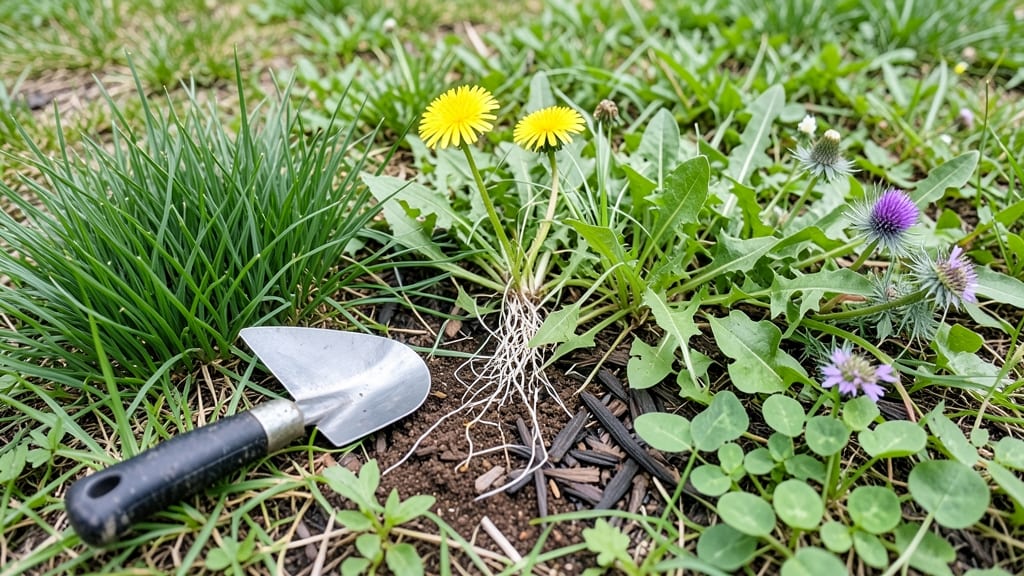
Massachusetts lawns battle the lawn weeds in Massachusetts—crabgrass, clover, and creeping Charlie year after year—here’s how to stop them organically. 🌱 I’ve spent years testing what actually works in our humid summers and wet springs, and the key isn’t brute force but smart timing and soil care.
Most weed killers miss the root of the problem: compacted soil and weak grass. The real culprits in MA yards are nutrient-hungry weeds that thrive when grass struggles. Crabgrass loves bare spots, while clover takes over thin lawns.
My go-to method? Preventative corn gluten meal in early spring (before weeds sprout) plus overseeding to crowd them out. It’s not instant—but it works without harsh chemicals that harm kids and pets. By late summer, you’ll see thicker grass outcompeting weeds naturally.
The secret’s in the soil: aerate once a year, top-dress with compost, and water deeply but infrequently. Weeds hate healthy turf more than they hate vinegar sprays. Works for all MA zones, from coastal salt air to inland clay soils.
Let’s reclaim that lawn—without the regrets of last summer’s patchy mess.
Root Causes Of Weeds
Weeds don’t just pop up randomly in Massachusetts lawns—they thrive because of specific conditions tied to soil, climate, and lawn care habits. Understanding these triggers is the first step to stopping them in their tracks. Let’s break down the science behind why weeds take over.
Weeds love weak turf because they exploit gaps in your lawn’s defenses. In Massachusetts, where soil often lacks organic matter, weeds like crabgrass, dandelions, and clover dominate because:
- Compacted Soil: Heavy foot traffic, machinery, or clay-heavy Massachusetts soil compresses the ground, reducing oxygen and water flow.
This stresses grass roots, creating open spaces for weeds to germinate. - Actionable fix: Aerate your lawn in early fall or spring to loosen soil and improve nutrient absorption. - Low Organic Matter: Sandy or rocky Massachusetts soils (common in coastal areas) drain too quickly, leaving grass roots starved.
Weeds like chickweed thrive in these dry, nutrient-poor conditions. - Actionable fix: Top-dress with 2–3 inches of compost in fall to boost microbial activity and moisture retention. - pH Imbalance: Most Massachusetts lawns sit in a slightly acidic range (5.5–6.5), but weeds like broadleaf plantain prefer alkaline soil (pH 7+).
If your soil tests high, weeds outcompete grass. - Actionable fix: Test your soil (free at UMass Extension) and amend with sulfur (for high pH) or lime (for low pH) as needed.
Weeds move in when your grass can’t hold its ground—literally. In Massachusetts, where winters kill grass and summers stress it, bare spots become weed magnets. Common culprits: - Overwatering or Underwatering: Too much water drowns roots; too little causes drought stress.
Both scenarios leave gaps for nutsedge (a stubborn Massachusetts weed) to invade. - Actionable fix: Water deeply 1–2 times per week (1 inch total) and adjust for rainfall.
Use a soil moisture meter to avoid guesswork. - Improper Mowing: Cutting grass too short (below 3 inches) exposes soil to sunlight, encouraging crabgrass seeds to germinate.
Conversely, leaving clippings too long can smother grass. - Actionable fix: Mow at 3–4 inches and never remove more than ⅓ of the blade in one session. - Disease or Pest Damage: Fungal diseases (like red thread) or grubs weaken grass, creating openings for dandelions and henbit.
Massachusetts’ humid summers create perfect conditions for these issues. - Actionable fix: Apply neem oil for fungal diseases and beneficial nematodes for grubs in early spring.
New England’s four distinct seasons play a huge role in weed proliferation. Here’s how: - Spring Rain & Warmth: March–May showers soften compacted soil, allowing crabgrass and chickweed seeds (which survived winter) to sprout.
Massachusetts’ unpredictable spring weather accelerates this. - Actionable fix: Apply a pre-emergent herbicide (like corn gluten meal) in late April to block weed seeds. - Summer Drought Stress: July–August heat causes grass to go dormant, while weeds like purslane (drought-tolerant) flourish. - Actionable fix: Overseed with drought-resistant grasses (e.g., tall fescue) in early fall. - Fall Seed Dispersal: Weeds like dandelions release thousands of seeds in September, taking advantage of Massachusetts’ mild autumns. - Actionable fix: Hand-pull weeds before they seed (focus on late August–October).
Even well-intentioned lawn care can backfire.
Here’s how: - Over-Fertilizing: Too much nitrogen (common in fast-acting fertilizers) burns grass roots, creating weak spots for clover (which fixes nitrogen naturally). - Actionable fix: Use a slow-release, organic fertilizer (like fish emulsion) in early fall. - Herbicide Misuse: Post-emergent herbicides kill existing weeds but can harm grass if applied incorrectly.
This leaves room for bindweed (a persistent Massachusetts invader). - Actionable fix: Spot-treat weeds with vinegar + soap (for organic control) or use selective herbicides (like 2,4-D) only on labeled days. - Improper Seed Mixes: Cheap grass seed blends often include weed seeds (like red sorrel).
Massachusetts’ competitive growing season means these weeds outgrow the grass. - Actionable fix: Choose 100% pure Kentucky bluegrass or fine fescue seed with a weed-free guarantee.
Weeds also exploit imbalances in your lawn’s ecosystem:
- Lack of Beneficial Microbes: Healthy soil teems with bacteria and fungi that suppress weeds. Massachusetts’ cool, wet springs slow microbial activity, giving weeds an edge.
- Actionable fix: Add mycorrhizal fungi or compost tea to boost soil life.
- Overuse of Synthetic Chemicals: Pesticides and herbicides can kill off earthworms and beneficial insects, which naturally suppress weeds by improving soil structure.
- Actionable fix: Transition to organic weed control (like corn gluten meal or clove oil) to restore balance.
💡 Pro Tip: Weeds are nature’s way of filling gaps—so focus on strengthening your grass first. A dense, healthy lawn is the best weed deterrent in Massachusetts!
Targeted Fixes for Common Weeds
Massachusetts lawns face a unique battle against weeds, thanks to the state’s varied climate and soil conditions. But don’t worry—whether you’re dealing with stubborn crabgrass, creeping ground ivy, or clover, there are organic, effective solutions tailored to each problem.
Below, we break down the root causes and step-by-step fixes, plus prevention tips to keep your lawn lush and weed-free long-term.
Cause: Thin lawns, bare spots, and compacted soil let crabgrass thrive in warm weather.
How to Fix It: 🔥 Prevent Germination – Apply a corn gluten meal pre-emergent in early spring (March–April). This natural fertilizer smothers weed seeds before they sprout. 🍳 Hand-Pull or Smother – For existing weeds, pull them by the roots (use a weeding tool for stubborn ones) or cover bare patches with cardboard + mulch to block sunlight. 👨🍳 Strengthen Your Lawn – Overseed thin areas with shade-tolerant grass (like fine fescue) and aerate compacted soil to crowd out weeds.
💡 Pro Tip: Mow high (3–4 inches) to shade out crabgrass and reduce stress on your lawn.
Cause: Overwatering, poor soil health, and lack of competition from grass.
How to Fix It: 🔪 Spot-Treat with Vinegar – Mix 1 gallon white vinegar + 1 oz dish soap in a spray bottle. Target weeds on sunny days (avoid wind—this kills everything it touches). 🌡️ Boiling Water Method – Pour boiling water directly on weeds (great for sidewalk cracks and driveways). ✨ Boost Soil Health – Spread compost or a balanced organic fertilizer (like fish emulsion) to encourage thick grass growth.
🎯 Prevention: Water deeply but less frequently to discourage shallow-rooted weeds.
Cause: These weeds spread via runners (stolons) or underground rhizomes, making them persistent.
How to Fix It: 🔪 Dig Deep – Use a weeding fork or hori-hori knife to cut rhizomes 2–3 inches below the soil line (prevents regrowth). 🥘 Saltwater Spray (Use Sparingly!) – Mix 1 tbsp salt + 1 gallon water and spray directly on weeds (avoid desirable plants). 🌱 Solarize the Soil – For large patches, lay clear plastic sheeting over the area for 4–6 weeks in summer heat to cook out weeds.
💡 Pro Tip: Sheep or goat grazing (if you have livestock) can naturally control creeping weeds—just check local regulations first!
Cause: Nutgrass thrives in moist, compacted soil, while wild onion loves disturbed areas.
How to Fix It: 🔥 Manual Removal – Pull nutgrass before it seeds (it spreads aggressively). For wild onion, dig up the entire bulb. 🍳 Corn Gluten for Nutgrass – Apply corn gluten meal in spring to prevent new growth. 👨🍳 Improve Drainage – Amend soil with sand or compost to reduce moisture retention (nutgrass’ favorite).
🌡️ Prevention: Mulch garden beds with wood chips to block light and suppress weeds.
No matter the weed, these habits keep them at bay: ✅ Mow High – 3–4 inches keeps grass competitive. ✅ Aerate & Overseed – Do this in early fall for a thick, weed-resistant lawn. ✅ Use Mulch – 3–4 inches of wood chips in garden beds blocks weed seeds. ✅ Test Soil pH – Aim for 6.0–7.0; amend with lime or sulfur as needed. ✅ Encourage Beneficial Insects – Ladybugs and ground beetles eat weed seeds naturally.
Final Thought: Weeds are a sign your lawn needs attention—not a lost cause. With consistent organic care, you’ll crowd them out and enjoy a greener, healthier lawn without harsh chemicals. 🌿✨
Frequently asked questions
What are the most common weeds in Massachusetts lawns?
Massachusetts lawns typically battle crabgrass, clover, dandelions, creeping Charlie (ground ivy), and nutsedge. These weeds thrive in our humid summers and compacted soil. Crabgrass loves bare spots, while clover spreads in thin grass areas. Dandelions and nutsedge often take over moist, poorly drained regions.
Can I use vinegar to kill weeds in my Massachusetts lawn?
Yes, but use it carefully! Mix 1 gallon white vinegar + 1 oz dish soap and spray directly on weeds. It works best on broadleaf weeds like dandelions and clover in sunny, dry conditions. Avoid windy days—vinegar kills everything it touches. For grassy areas, spot-treat only and avoid overspray.
When is the best time to aerate my lawn to prevent weeds?
Early fall (September-October) is ideal for Massachusetts lawns. Cool temperatures help grass recover faster, while aeration loosens compacted soil, allowing roots to access nutrients. This strengthens grass and crowds out weeds naturally. Spring aeration (April-May) also works but requires more frequent watering afterward.
How do I keep weeds from coming back after treatment?
Focus on preventative care: Overseed thin areas with drought-resistant grass, mow at 3-4 inches, and water deeply but infrequently. Apply corn gluten meal in early spring as a natural pre-emergent. Regular soil testing (UMass Extension offers free tests) helps balance pH and nutrients, making your lawn less inviting to weeds.
Are there any natural predators for lawn weeds?
Yes! Ladybugs, ground beetles, and parasitic wasps naturally control weed seeds by eating them. Planting clover in garden beds attracts these beneficial insects. Additionally, sheep or goats can graze on weeds (check local regulations first). Even ducks or chickens help by pecking at weeds in garden areas.