
Lawn

Dealing with prickly weeds in your lawn can turn a simple mow into a painful chore. These 10 common lawn weeds with sharp spines will not only ruin your grass but also leave you with itchy hands—unless you know how to remove them safely.
Stinging Nettle Identification and Safe Removal
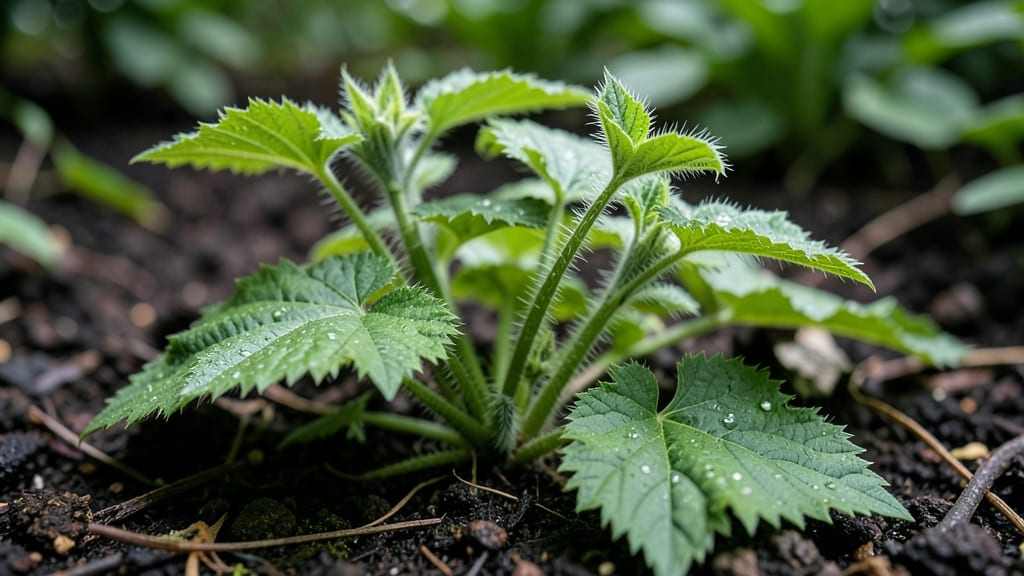
If your lawn feels like a minefield of tiny needles, you might be dealing with stinging nettle—a weed that thrives in damp, shady spots and delivers instant, itchy stings when touched. Its bright green, heart-shaped leaves and hairy stems make it easy to spot once you know what to look for.
To remove it safely, wear long sleeves and thick gloves (even heavy-duty gardening gloves won’t always protect you). Grab the nettle at the base with tongs or a garden fork, then pull firmly to avoid breaking off the roots. For stubborn patches, smother the area with cardboard and mulch to starve it out over time.
This weed is especially problematic for gardeners with pets or kids, as its stings can linger for hours. Early identification and removal prevent it from spreading aggressively—so act fast before your lawn becomes a nettle hotspot. 🌿
Crabgrass with Spiny Seed Heads
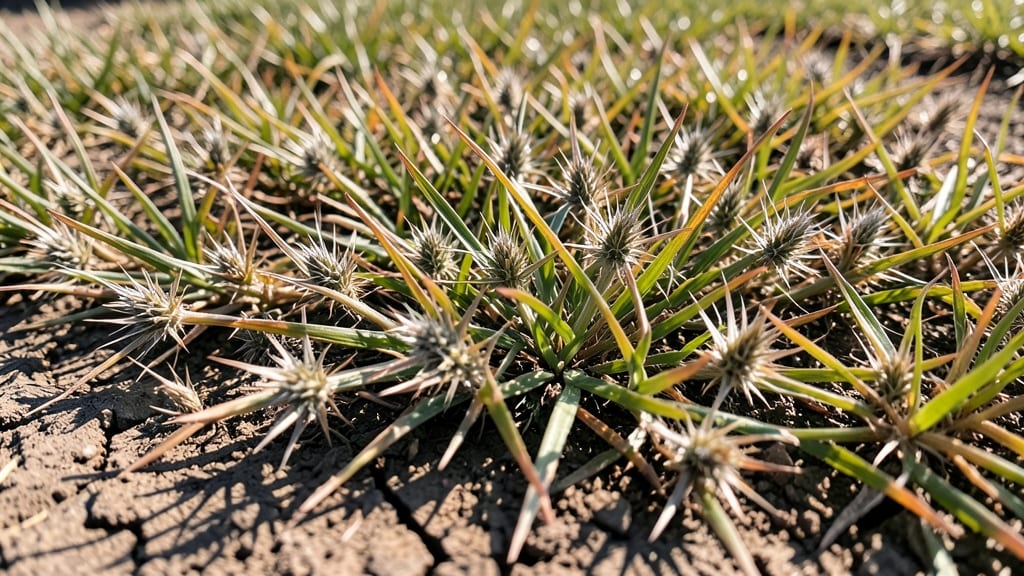
That familiar crabgrass you’ve been pulling from your lawn might not just be annoying—some varieties develop sharp, spiny seed heads that can irritate your skin like tiny needles. Unlike the soft, flat blades you’re used to, these prickly types thrive in compacted or disturbed soil, making them a sneaky lawn takeover.
To prevent them, focus on pre-emergent herbicides in early spring (before germination) and maintain a thick, healthy lawn through regular mowing and watering. If you spot the spiky seed heads, wear long sleeves and use a weeding tool with a long handle to avoid direct contact. These weeds spread aggressively, so act fast—once they establish, they’re nearly impossible to eradicate without chemical treatments.
Homeowners with high-traffic lawns or sandy soil are especially vulnerable, as these conditions create perfect conditions for crabgrass to spread. Stay vigilant during late summer when seed heads form, and you’ll keep your lawn soft and irritation-free. 🌱
Purslane Weed with Tiny Prickly Stems

That innocent-looking ground cover with thick, succulent leaves might be purslane weed, a sneaky invader with tiny, sharp stems that snag skin like barbed wire. Many gardeners overlook it until their hands are covered in tiny pinpricks after "harmless" weeding sessions.
This sun-loving annual thrives in dry, sandy soils and cracked lawns where other plants struggle. The key to spotting it? Look for reddish stems and slightly fuzzy leaves—its prickles are too fine to see without magnification but painful enough to feel. Pull it early in the morning when the stems are still flexible, and always wear long sleeves or use a garden fork to lift clumps without direct contact.
Homeowners with drought-prone lawns should watch for purslane, as it often moves in after irrigation is reduced. Its resilience makes it a persistent nuisance, but removing it before seed production prevents next year's crop of prickly surprises. 🌱
Bristly Ox-Tongue Weed Control
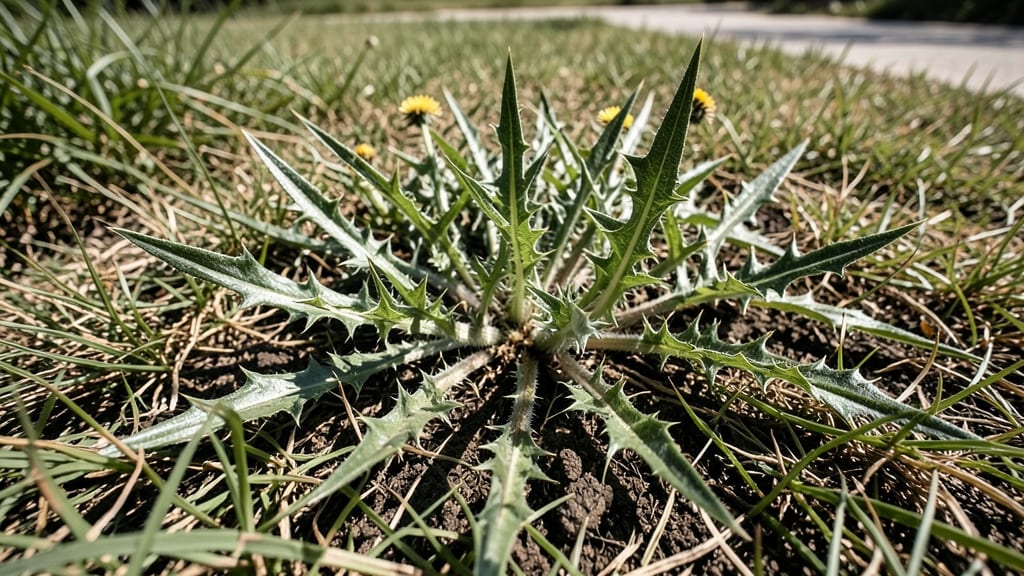
If your lawn has patches of deep-rooted weeds with leaves so sharp they can puncture gloves, you’re likely dealing with bristly ox-tongue (Picris echioides). Unlike other prickly weeds, this one thrives in neglected lawns and spreads aggressively if left unchecked, making it a gardener’s worst nightmare.
To control it, wear thick gardening gloves and pull the entire plant—including the deep taproot—before it drops seeds. Since it spreads via windborne seeds, remove plants on dry, windless days to prevent dispersal. For stubborn patches, apply a spot herbicide labeled for broadleaf weeds, but avoid over-spraying to protect nearby grass. Regular mowing keeps it from flowering and reseeding.
This weed is especially problematic in urban lawns or areas with poor soil health, where it outcompetes grass. Early intervention is key—once established, bristly ox-tongue can dominate neglected spaces. 🌿
Goosegrass with Sharp Seed Spikes
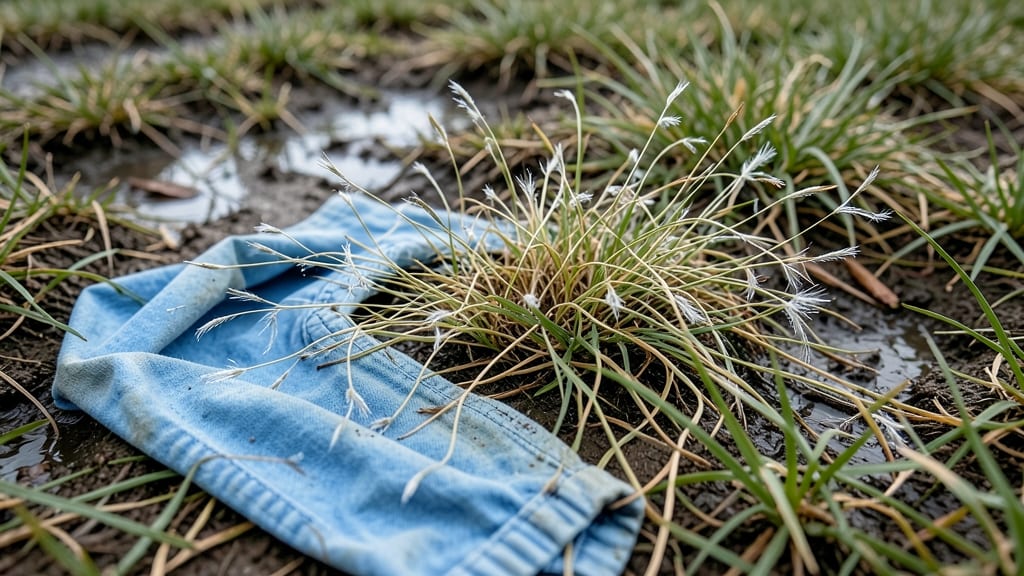
Ever noticed tiny, sharp seed spikes clinging to your clothes after mowing? That’s likely goosegrass, a sneaky weed thriving in lawns with poor drainage. Unlike other prickly weeds, its needle-like seeds hitchhike on fabric, spreading faster than you can say "lawn care."
This fast-spreading annual loves compacted or waterlogged soil, often popping up where grass struggles. The key to control is early action—pull it before seeds form, or you’ll be battling it year after year. For stubborn patches, a vinegar-based herbicide (3% acetic acid) works well, but test on a small area first to avoid damaging grass.
Homeowners with shady or soggy lawns should watch for goosegrass, as it thrives where other weeds fail. Spot it early, and you’ll save hours of future frustration. 🌱
Field Bindweed with Prickly Vines
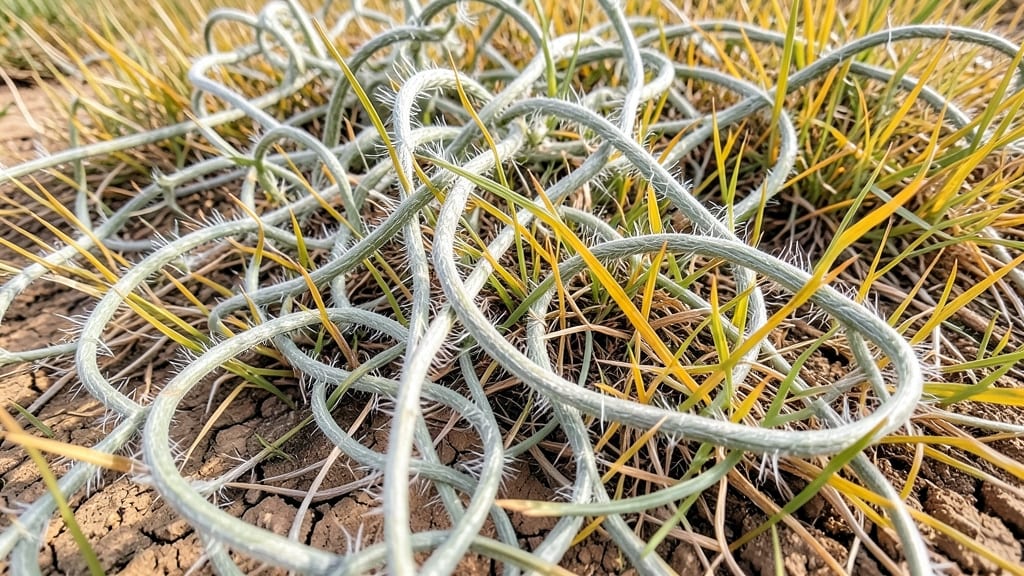
If your lawn has suddenly become a tangled mess of vines that refuse to stay down, you’re likely battling field bindweed—a sneaky invader with sharp, hair-like tendrils that latch onto grass and smother it. Unlike other prickly weeds, this one doesn’t just poke your skin; it strangles your lawn by blocking sunlight and nutrients.
This aggressive climber thrives in well-drained soil and spreads through underground rhizomes that can grow up to 20 feet long. The key to removal is persistence: dig at least 12 inches deep to sever the roots, and repeat weekly for months. A vine digger or shovel works best, but avoid tilling—it fragments the roots and spreads the problem. For stubborn patches, a targeted herbicide like glyphosate (applied carefully) can help, followed by planting competitive ground covers like clover.
Lawn owners with established bindweed should act fast—this weed doubles its spread each year. The good news? Once you’ve removed it, smothering with thick mulch or dense turfgrass helps prevent regrowth. 🌱
Hairy Cat’s Ear Weed
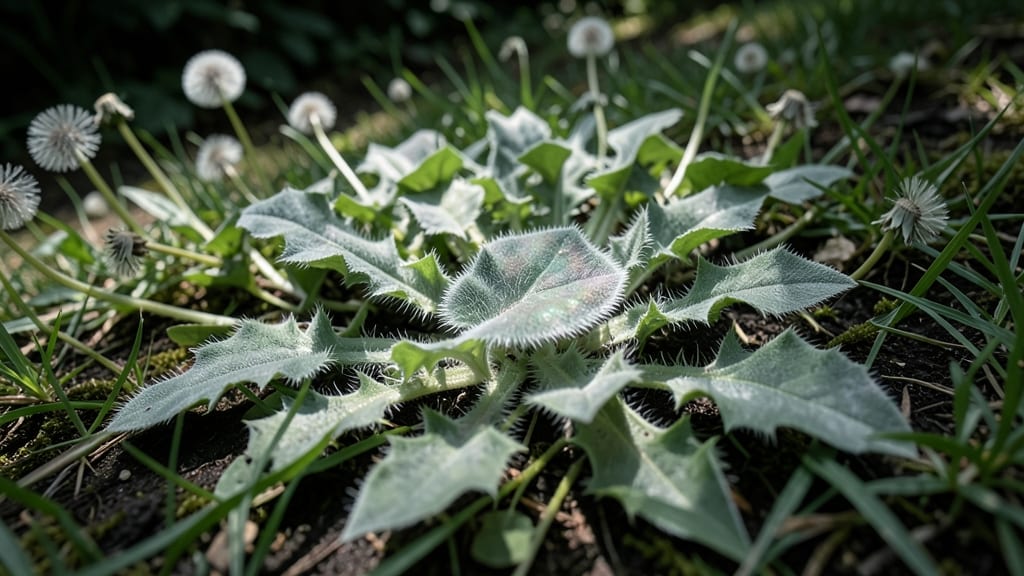
That soft-looking clover-like patch in your shady lawn might actually be hairy cat’s ear weed—a sneaky invader covered in microscopic hairs that trigger painful welts when touched. Unlike true clover, this weed thrives in low-light areas and spreads aggressively, often going unnoticed until you brush against it.
Look for its bright green, fuzzy leaves with a slightly hairy texture—almost like a plush carpet at first glance. The key difference? Clover has three leaflets, while hairy cat’s ear has five to seven. Pull it early in the season when the soil is moist, and wear long sleeves or use a grasper tool to avoid direct contact with the irritating hairs.
This weed is a common mistake for beginners and urban gardeners with shady patches—once established, it can crowd out grass and leave your lawn looking uneven. 🌿
Spiny Sow Thistle Removal
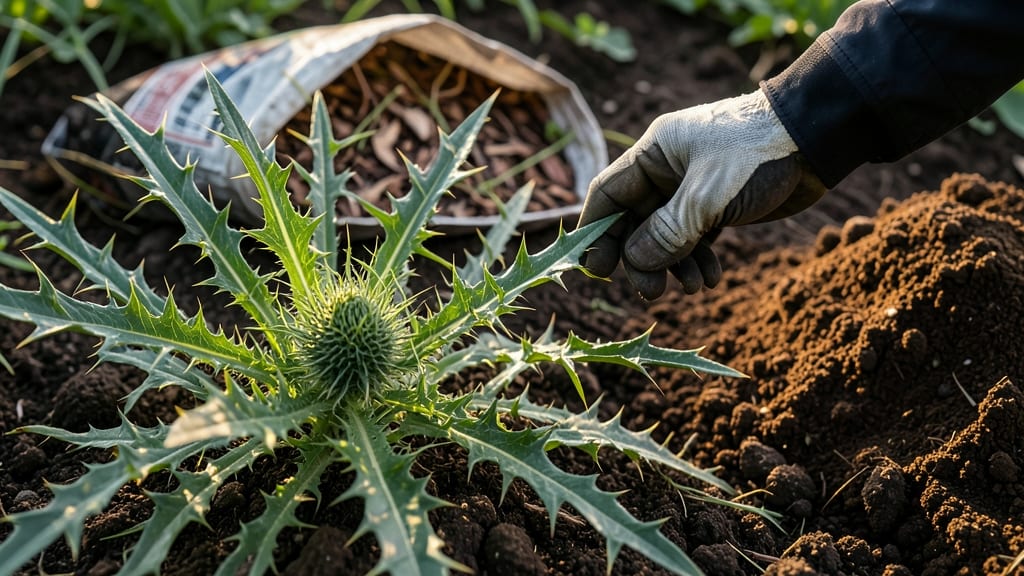
If you’ve ever reached for a handful of mulch or compost only to wince at the sharp, spiky leaves of spiny sow thistle, you’re not alone. This aggressive weed sneaks into gardens through disturbed soil, often hitching a ride on fresh amendments, and spreads rapidly if left unchecked.
Identify it by its jagged, thorn-like leaves and yellow daisy-like flowers that appear in late spring. The key to removal is acting fast—pull it before it goes to seed, using heavy-duty gloves and long sleeves to protect your skin. For stubborn patches, smother the area with cardboard or landscape fabric to block sunlight and starve the roots.
This weed thrives in poorly maintained lawns and garden beds, making it a common nuisance for homeowners who frequently till or amend their soil. Early intervention is your best defense—don’t let it turn your peaceful garden into a prickly patch! 🌱
Prickly Lettuce Weed Control
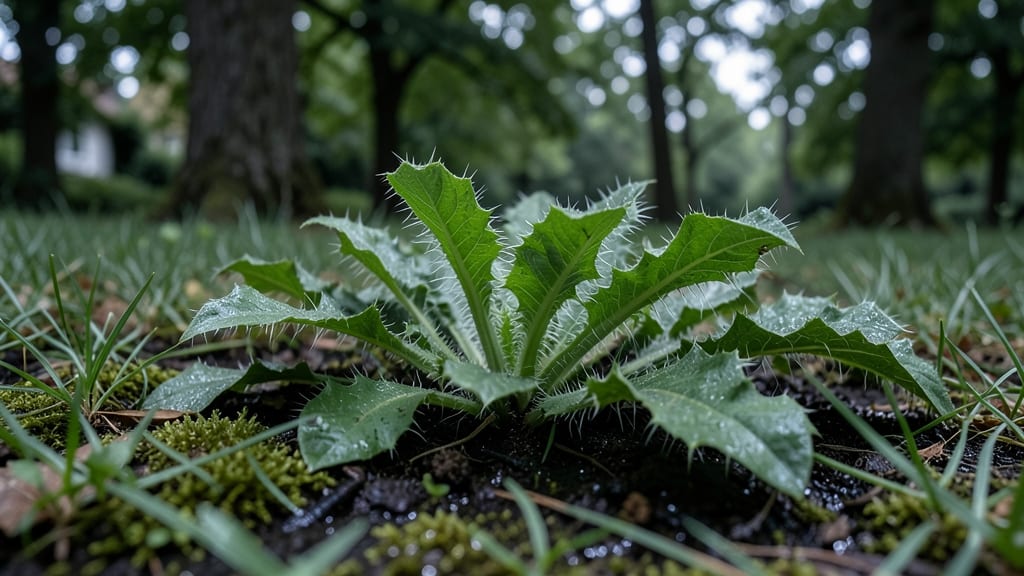
That moist, shady lawn patch might be hiding prickly lettuce weed, a sneaky imposter that looks like edible lettuce but packs a painful surprise. Its fine, hair-like spines irritate skin upon contact, making it a gardeners' nemesis—especially for those with sensitive hands or kids playing outside.
To identify it, look for serrated leaves and tiny prickles along stems and leaf edges, unlike the smooth texture of real lettuce. This weed thrives in damp, poorly drained areas, so check low spots after rain. For removal, wear thick gardening gloves and pull entire plants before they seed—early spring or fall is ideal when soil is soft. Avoid composting it, as seeds can survive.
This weed is particularly tricky for urban gardeners with compacted soil or shady lawns, where moisture lingers. Catching it early prevents it from spreading into a prickly takeover. 🌱
Russian Thistle (Tumbleweed) with Spiny Stems

If your lawn suddenly starts rolling like a desert movie set, you’re likely dealing with Russian thistle—a drought-loving weed whose spiny, segmented stems detach and tumble across your yard, creating a prickly nightmare. Unlike other prickly weeds, this one doesn’t just poke; it invades with relentless efficiency, smothering grass and leaving sharp reminders of its presence.
This invasive plant thrives in dry, disturbed soil and spreads through wind-blown tumbleweeds, each segment capable of rooting and producing new plants. The key to control is early action: hand-pull young plants before they develop deep roots, or use a broadleaf herbicide labeled for tough weeds like Russian thistle. For established patches, smothering with thick mulch or dense ground cover can starve them out over time.
Lawn owners in arid climates or those with neglected patches should be especially vigilant—this weed turns a single plant into a rolling army. With the right approach, you can reclaim your lawn before it becomes a prickly wasteland. 🌻