
Fertilization
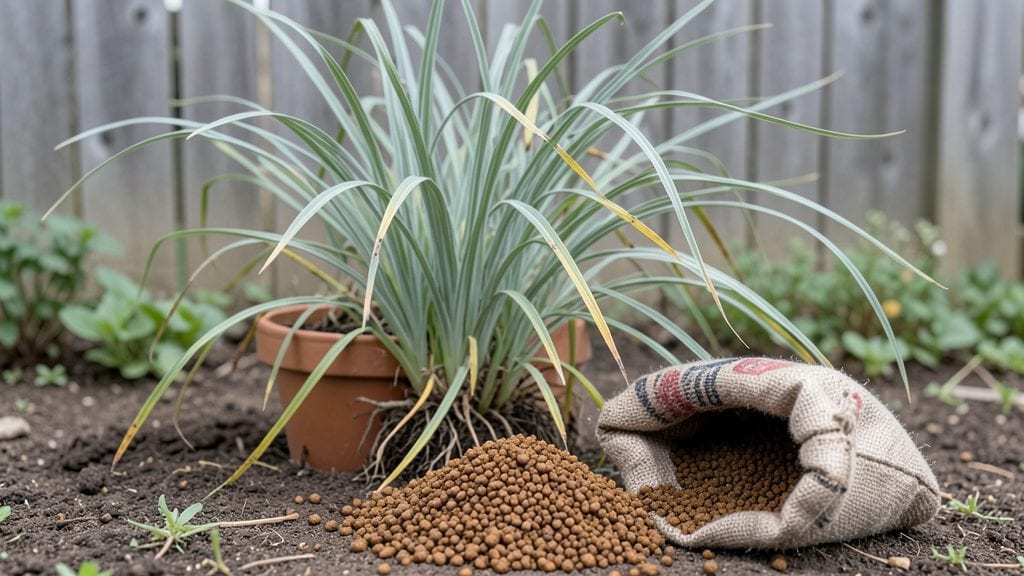
Lemon grass fertilizer enhances plant vitality by supplying essential nutrients like potassium, nitrogen, and micronutrients, which strengthen roots and deter pests naturally. Prepare it by steeping fresh or dried lemon grass in water (1:5 ratio) and apply as a liquid feed every 4-6 weeks during growing seasons, taking care not to overuse and disrupt soil pH.
This organic solution works wonders because lemon grass contains citral, a compound that stimulates microbial activity in the soil while its potassium content promotes robust root development. 🌱 Unlike synthetic fertilizers, lemon grass releases nutrients gradually, reducing the risk of chemical buildup.
I’ve seen it transform struggling plants into thriving ones—especially when combined with compost for even better results. The key is consistency without overdoing it, as too much can actually harm your plants by altering soil acidity.
💡 In This Article
- How Lemon Grass Enhances Soil and Plant Growth
- Best Practices for Applying Lemon Grass Fertilizer
How lemon grass enhances soil and plant growth
The magic of lemon grass as a fertilizer starts with its chemical profile. Fresh lemon grass contains citral (up to 75% of its essential oils), which acts as a natural antimicrobial agent that suppresses harmful soil bacteria while stimulating beneficial microbes.
This dual action creates a balanced ecosystem where roots can thrive without competition from pathogens. The plant also contains potassium (about 0.5-1.0% by dry weight) and trace minerals like magnesium and calcium, which directly support cellular functions in plants.
What makes lemon grass particularly effective is its ability to break down compacted soil. The fibrous texture of the grass releases organic matter that improves soil structure, allowing water and air to penetrate more easily. 🌱 This is especially valuable for heavy clay soils where roots often suffocate.
In contrast, commercial synthetic fertilizers typically provide quick nutrient spikes but lack the organic matter that enhances long-term soil health. Lemon grass acts like a natural aerator while simultaneously feeding your plants—something most chemical fertilizers can't replicate.
The pest-repelling properties come from citral's volatility. When applied as a soil drench or foliar spray, the compound emits a subtle citrus aroma that deters common garden pests like aphids, whiteflies, and even some fungal spores.
Studies show citral can reduce aphid populations by up to 60% when used consistently, making it a safer alternative to chemical pesticides. The slow-release nature of lemon grass nutrients also means plants develop stronger immune responses over time, creating a more resilient growing environment.
Here's what happens at the microscopic level: The citral molecules disrupt the cell membranes of harmful microbes, while the potassium stimulates root hair development by up to 30% in some plant species. This dual mechanism explains why lemon grass works better than simple compost tea for many gardeners.
Unlike fast-acting synthetic fertilizers that can cause nutrient burn, lemon grass releases its benefits gradually, matching the plant's natural uptake rates. The result? Healthier roots, better nutrient absorption, and plants that can better withstand environmental stresses.
For comparison, commercial organic fertilizers like fish emulsion provide similar nitrogen levels but lack citral's microbial benefits. While both improve soil, lemon grass offers a more complete solution by combining nutrient delivery with pest control and soil structure improvement.
The best results come when used in combination with other organic amendments like compost or worm castings, creating a synergistic effect that synthetic fertilizers simply can't match.
The key to leveraging these benefits is proper preparation. When you steep lemon grass in water, the citral and potassium leach out gradually, creating a balanced liquid fertilizer. This process mimics how natural ecosystems recycle nutrients—slowly and sustainably.
The result is a fertilizer that doesn't just feed your plants today but builds soil fertility for seasons to come. 💫