
Plants
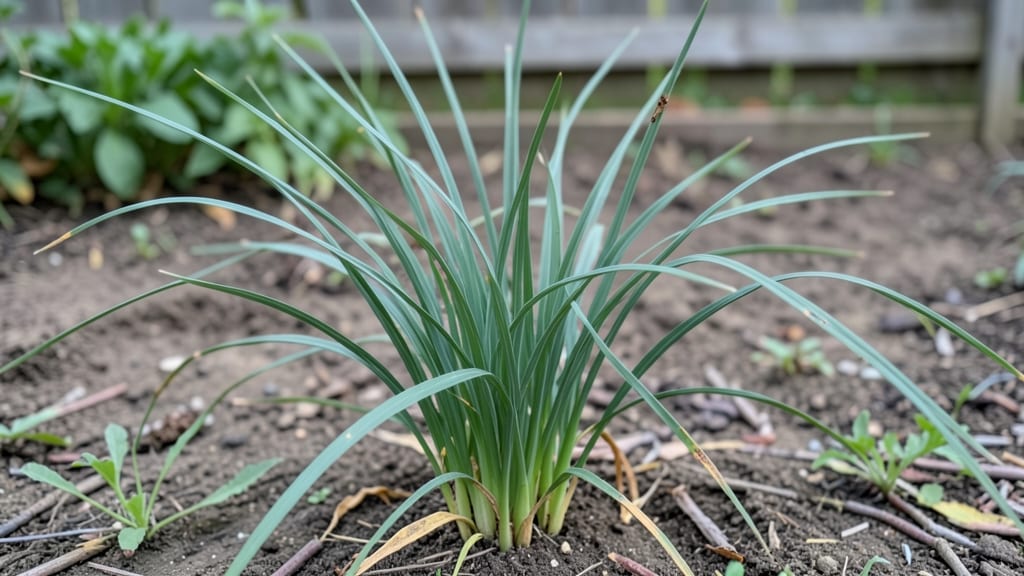
Lemon grass hardiness depends on USDA zones 9-11 for optimal growth, but it can endure brief cold snaps down to 20°F (-6°C) with protective measures. In colder regions, treat it as an annual or bring it indoors for winter. Mulching and frost covers help shield its delicate rhizomes from frost damage.
Lemon grass is a tropical plant at heart, meaning its roots struggle when temperatures dip below 50°F (10°C) for extended periods.
The rhizomes—its thick, underground stems—are particularly vulnerable to cold stress, which can cause them to rot or become dormant permanently. 🔥 To push its limits, gardeners in cooler climates rely on insulation techniques like thick mulch layers or frost blankets, which mimic the warm, humid conditions of its native Southeast Asia.
Even with these precautions, expect slower growth outside its ideal range.
For those in USDA zones 8 and below, container gardening is often the best approach. Moving potted lemon grass indoors before the first frost ensures survival, while greenhouse cultivation in milder winters extends its growing season.
Varieties like Cymbopogon nardus ‘Citronella’ show slightly better cold tolerance, but none can withstand prolonged freezing without intervention.
💡 In This Article
- Lemon Grass Cold Tolerance Limits and Science
- Growing Lemon Grass in Cold Climates: Practical Solutions
Lemon grass cold tolerance limits and science
Lemon grass (Cymbopogon citratus) originates from tropical regions where temperatures rarely drop below 60°F (15°C). Its biological makeup—particularly the rhizomes—isn't designed for cold exposure. These underground stems store nutrients and water, but when temperatures fall below 50°F (10°C), cellular damage begins.
Ice crystals form within the plant's tissues, rupturing cell walls and disrupting water transport. This process is called cold acclimation failure, and it's irreversible once severe. 🌿
The plant's native habitat in Southeast Asia maintains 75-85% humidity year-round, which lemon grass relies on to prevent desiccation during dry periods. Cold air, however, reduces humidity levels dramatically, forcing the plant to expend energy on moisture retention instead of growth.
Mulch acts as a buffer by maintaining soil temperatures within 5°F (3°C) of the air temperature, but even this has limits. For example, a 4-inch (10 cm) layer of straw mulch can raise soil temps by 2-3°F (1-2°C)—enough to protect against light frosts but not prolonged cold snaps.
Comparing lemon grass to other tropical herbs reveals its sensitivity. Basil, for instance, can tolerate brief dips to 30°F (-1°C) but dies back completely, while mint thrives in USDA zones 3-9 thanks to its hardy rhizomes.
Lemon grass's lack of cold resistance stems from its C4 photosynthesis pathway, which optimizes growth in hot climates but makes it less adaptable to cooler temperatures. This pathway also means its metabolic rate slows significantly below 60°F (15°C), halting growth entirely. 🍃
Soil moisture plays a critical role in cold tolerance. When soil freezes, water expands by 9% by volume, creating pressure that can rupture rhizomes. Sandy soils drain quickly, reducing this risk, but clay soils hold moisture longer, increasing frost damage potential.
The solution? Amend soil with organic matter (30-40%) to improve drainage while retaining moisture. This balance is key—too much water accelerates freezing, while too little stresses the plant further.
What most gardeners don't realize is how wind speed exacerbates cold damage. A 10 mph (16 km/h) breeze can lower perceived temperatures by 10-15°F (-12 to -9°C), making a 30°F (-1°C) night feel like 15°F (-9°C).
This is why protective covers (like frost blankets) work so well—they trap a layer of warm air close to the plant. For example, a clear plastic tunnel can raise temperatures by 5-10°F (3-6°C) during cold nights, extending lemon grass's viable growing season by 2-4 weeks in marginal zones.
Here's the science behind mulching: organic mulches like straw or leaves decompose slowly, releasing heat as microbial activity increases. A 6-inch (15 cm) layer can maintain soil temps 10°F (5°C) warmer than bare soil during winter.
However, inorganic mulches (like black plastic) work differently—they absorb sunlight and radiate heat, which is more effective in sunny climates but less so in cloudy regions. 🌡️
For those pushing lemon grass's limits, the key takeaway is prevention over cure. Cold damage is cumulative—even 24 hours at 32°F (0°C) can stunt growth permanently. Start with well-draining soil, use thick mulch, and monitor weather forecasts.
In zones 8 and below, container growing with winter indoor relocation offers the best chance of survival, as you can control both temperature and humidity year-round.