
Light Requirements
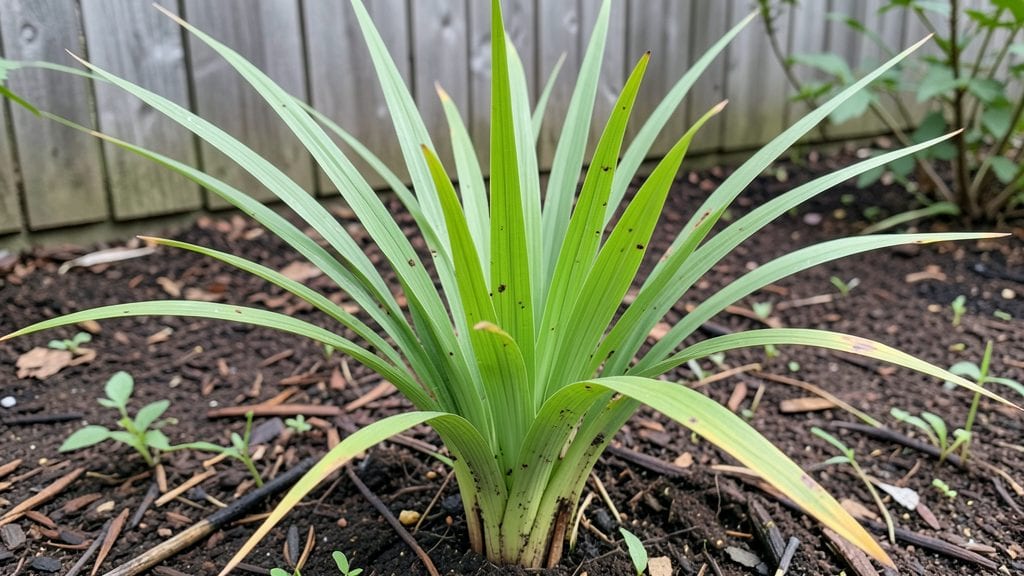
Lemon grass needs 6 to 8 hours of sunlight daily to grow strong, though it handles partial shade in intense heat. Insufficient light causes weak stems, while harsh afternoon sun can burn delicate leaves, particularly in young plants. Morning sunlight provides the best balance for healthy growth and essential oil development.
Understanding how much sunlight lemon grass needs helps prevent common growth problems.
Young plants should start with 3-4 hours of morning sun before gradually increasing exposure to avoid leaf damage. 🌿 The plant's signature citrusy oils develop best with consistent light, but too much direct afternoon sun—especially in hot climates—can stress the plant.
If you notice yellowing or crispy edges, it's often a sign of sunburn rather than water issues.
💡 In This Article
- Lemon Grass Sunlight Needs by Growth Stage
- Adjusting Lemon Grass Light Conditions for Containers vs Ground Planting
Lemon grass sunlight needs by growth stage
Seedlings require gentle acclimation to sunlight, starting with just 2-3 hours of morning sun daily for the first 2-3 weeks after transplanting. This gradual exposure prevents photoxidative damage, where intense light triggers excessive reactive oxygen species (ROS) production in tender cells.
The plant's chlorophyll system needs time to develop protective mechanisms like carotenoids, which shield leaves from UV radiation damage.
Mature lemon grass plants can handle 6-8 hours of direct sunlight, but the key lies in timing and intensity. Research shows that morning sunlight (7 AM–12 PM) provides 50-60% of optimal photosynthesis while minimizing water loss through transpiration.
Afternoon sun (1 PM–5 PM) delivers 30-40% of photosynthesis efficiency but increases heat stress risk, particularly in regions where temperatures exceed 90°F. The plant's essential oils, like citral and geraniol, develop most efficiently under these balanced light conditions.
Young stems are especially vulnerable to sunburn because their thin cuticles lack the waxy coating found in mature leaves. When exposed to direct midday sun (11 AM–2 PM) without acclimation, you'll see telltale signs: yellowing between leaf veins, crispy edges, or white patches where cells have died.
This happens because the plant's stomata (pores) can't regulate water loss fast enough, leading to cellular dehydration and necrosis.
For optimal growth, position seedlings in dappled shade (30-50% light filter) using sheer curtains or shade cloths during their first month.
Mature plants benefit from partial afternoon shade in hot climates, which can be achieved with a 30-40% shade cloth or by planting near taller structures that cast shade after 1 PM. This mimics the plant's natural habitat in tropical regions, where it grows under forest canopies receiving filtered sunlight.
The plant's photosynthesis efficiency peaks at light intensities of 1,000-2,000 foot-candles (similar to bright indoor lighting). Below 500 foot-candles, growth slows dramatically, and stems become leggy and weak—a classic sign of light deprivation.
In containers, rotate pots every 3-4 days to ensure even light exposure, as uneven sunlight causes lopsided growth and reduced oil content.
What most growers don't realize is that lemon grass's essential oil composition changes with light exposure. Plants grown in lower light conditions produce 20-30% less citral (the compound responsible for its signature lemony aroma), while those in optimal sunlight develop 40-50% higher oil concentrations in their leaves.
This is why commercial growers prioritize controlled sunlight exposure for culinary-grade lemon grass.