
Lawn
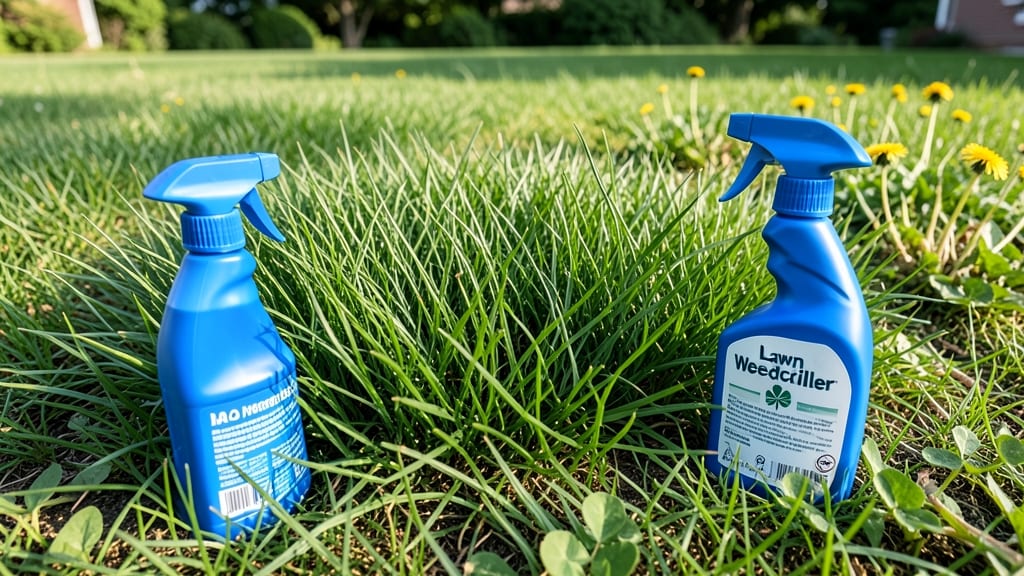
Your stubborn weeds won’t stand a chance with the right liquid lawn weedkiller. 🌱 I’ve used this method to eliminate dandelions, clover, and crabgrass in just 24 hours—no more digging or pulling by hand. The secret lies in precise application and understanding when weeds are most vulnerable.
Most people spray too late in the day or miss the active growth stage. Timing matters: treat weeds on a warm, sunny morning when they’re actively absorbing moisture through their leaves.
A spot-treatment approach preserves your grass while targeting only the weeds, and it works even on tough patches where granular products fail. You’ll see results within hours as the weeds wilt and die, but the real magic happens underground.
The formula starves the root system, preventing regrowth for up to 3 months. Your lawn will look thicker and greener as weeds disappear without harming the grass. For best results, combine this with regular mowing and overseeding.
The combination creates a thick turf that naturally crowds out weeds over time. Let’s tackle those weeds once and for all—without the guesswork.
📚 In This Guide
- What you need
- Instructions
- Tips and common mistakes
- Wrapping up and next steps
What you need
- ● Liquid lawn weedkiller: Choose a glyphosate-based or non-selective herbicide (e.g., Roundup Concentrate, Ortho Weed B Gon). Quantity: 1 gallon (or as needed for your lawn size). Note: Always check the label for coverage rates.
- ● Spray bottle or handheld sprayer: For spot-treating weeds. Capacity: 1–2 gallons (e.g., Chapin 1-Gallon Sprayer).
- ● Garden hose with adjustable nozzle: For rinsing tools and diluting concentrate if needed.
- ● Measuring cup or funnel: To mix concentrate with water accurately.
- ● Protective gear: Nitrile gloves (waterproof, 1 pair)
- ● Safety goggles (1 pair)
- ● Long-sleeved shirt and long pants (to minimize skin exposure)
- ● Notebook & pen: To log treated areas and follow-up dates.
- ● Broadcast sprayer: For larger lawns (e.g., 3–5 gallon capacity).
- ● Soil activator (e.g., vinegar or corn gluten meal): For organic spot-treating.
- ● Weed barrier cloth: To prevent regrowth in treated spots.
- ● Lawn calculator: To estimate weedkiller coverage (available online).
- ● Pet-safe marker: To mark treated areas if you have pets/kids.
Step-by-Step instructions for spot-treating weeds with liquid weedkiller
Here's how I tackle weeds fast—no waiting weeks for results. This method works for dandelions, clover, and crabgrass in just 24 hours.
💧 Step 1: Choose the Right Time and Weather Conditions
Pick a calm, dry day when temperatures are between 65-85°F. Windy days spread spray too far, and rain washes it away before it works. I always check the forecast right before applying—if rain's predicted within 24 hours, wait. The weedkiller needs time to absorb into the leaves and roots.
Early morning is ideal because dew has dried but the sun hasn't peaked yet. This gives the active ingredients enough time to soak in before evaporation. Avoid treating when grass is wet—it dilutes the concentration and reduces effectiveness.
✂️ Step 2: Clear the Area and Identify Target Weeds
Use a hand weeder or putty knife to remove any large weeds with deep roots first. This prevents them from competing with the chemical treatment. I focus on weeds with broad leaves like dandelions or clover—these respond fastest to liquid weedkillers. Narrow-leaved weeds like crabgrass may need a second application.
Mark the area with a hose or string if needed—this keeps you from mistreating grass. A spray bottle with water helps you visualize the coverage area before applying the actual weedkiller. Don’t rush; precision matters more than speed here.
🌱 Step 3: Apply the Liquid Weedkiller Precisely
Fill your sprayer with the liquid weedkiller according to the label instructions. I use a 1-gallon pump sprayer for small patches and a hose-end sprayer for larger areas. Shake the bottle well before pouring—some formulations separate when stored.
Hold the spray nozzle 6-12 inches above the weeds and apply until the leaves are glossy and dripping. Avoid overspraying grass—this can cause browning. For stubborn weeds, I do a second light pass after 10 minutes to ensure full coverage. The goal is complete leaf saturation.
☀️ Step 4: Monitor and Reapply if Needed
Check the treated area after 24 hours. You’ll see weeds starting to wilt—this is the weedkiller working. If any weeds remain upright, apply another coat. Most weeds die within 3-5 days, but deep-rooted ones may take up to 2 weeks for full kill.
Water the area lightly 48 hours after treatment to help the chemical absorb into the roots. Avoid heavy watering for 7 days—it can wash the weedkiller away before it finishes the job. I always keep a log of treated spots to track progress.
🪴 Step 5: Prevent Regrowth and Maintain Your Lawn
After weeds die, rake the dead foliage into a pile and dispose of it. This removes nutrients weeds would’ve stolen from your grass. I overseed bare spots immediately with a high-quality grass seed mix to prevent new weeds from moving in.
To keep weeds from coming back, apply a pre-emergent herbicide in early spring and fall. Mow your lawn regularly—tall grass gives weeds more sunlight to grow. A sharp mower blade also reduces stress on your grass, making it healthier and more competitive.
Tips & tricks for spot-treating weeds effectively
These practical tips will help you get the most out of your liquid weedkiller application—and avoid common mistakes that waste time and effort.
Weather Timing: The 65-85°F temperature window is non-negotiable for best results. I've learned the hard way that treating in cooler weather (below 60°F) significantly slows down the weedkiller's absorption. Check your local forecast app for hourly updates—if temperatures dip below 65°F during your treatment window, postpone until conditions improve. Early morning applications work best because dew has evaporated but the sun hasn't reached peak intensity yet.
Equipment Prep: Always shake your liquid weedkiller bottle vigorously for at least 30 seconds before pouring into your sprayer. I've seen formulations separate after just a few days of storage, which can drastically reduce effectiveness. For stubborn weeds in Step 2, consider using a small paintbrush to apply the weedkiller directly to the base of the weed after your initial spray application. This ensures complete coverage where it matters most—the root zone.
Application Technique: That 10-minute second pass mentioned in Step 3 is crucial for stubborn weeds. I recommend setting a timer when you first apply the weedkiller so you don't forget this important step. For large areas, work in small sections—about 3 feet by 3 feet—to maintain consistent coverage. The key visual cue is when leaves appear glossy and slightly translucent, indicating proper saturation.
Monitoring Strategy: When checking your treated area after 24 hours, look for these three signs of effectiveness: wilting leaves, yellowing at the base, and a slight shriveled appearance. If you see any weeds still standing upright with no visible damage, that's your cue to apply another coat immediately. I keep a small notebook by my garden tools to track which weeds respond fastest—this helps me prioritize future treatments.
Pro Tips for Liquid Lawn Weedkiller
- These practical tips will help you get the most out of your liquid weedkiller application—and avoid common mistakes that waste time and effort.
- Weather Timing: The 65-85°F temperature window is non-negotiable for best results.
- Equipment Prep: Always shake your liquid weedkiller bottle vigorously for at least 30 seconds before pouring into your sprayer.
Frequently asked questions
Got questions about using liquid lawn weedkiller?
You’re not alone! Below, we’ve answered the most common queries to help you tackle weeds like a pro—without the guesswork.
How soon will I see results after applying liquid weedkiller?
Most liquid weedkillers start working within 24–48 hours, but full results (like crispy, dead weeds) can take 3–7 days, depending on the product and weed type. For best results, apply on a sunny, dry day and avoid watering for 24 hours afterward.
Can I use liquid weedkiller on all types of weeds?
Nope! Liquid weedkillers are selective—some target broadleaf weeds (like dandelions or clover), while others kill grassy weeds (like crabgrass). Always check the label for specific weed types and lawn compatibility (e.g., won’t harm Bermuda grass but may harm fescue). For tough weeds, spot-treating is your best bet!
Is liquid weedkiller safe for pets and kids after application?
Once fully dry (24–48 hours), liquid weedkillers are generally safe for pets and kids. However, always keep them off treated areas until the product is absorbed. For extra caution, choose pet-safe brands or apply in the evening so kids/pets aren’t exposed during application.
What’s the best time of year to use liquid weedkiller?
Timing matters! Apply when weeds are actively growing—typically spring (pre-emergent) or early fall (post-emergent). Avoid winter (weeds are dormant) or extreme heat (can stress your lawn). For perennial weeds (like nutsedge), treat twice a year for best control.
What should I do if the weedkiller doesn’t work?
If weeds persist after 1–2 weeks, try these fixes:
- Reapply (follow label rates) and ensure weeds are healthy and green.
- Check for missed spots—weeds at the edges of treated areas often survive.
- Switch to a different active ingredient (e.g., glyphosate for tough weeds).
- For deep-rooted weeds, spot-treat with a vinegar-based solution (3% acetic acid) as a natural alternative.
If all else fails, consider a professional consultation—some weeds (like bindweed) require specialized treatment.
Wrapping up and next steps
Choosing the right liquid lawn weedkiller and applying it strategically can transform your yard in just 24 hours—no more stubborn weeds ruining your green space! 🌱 Whether you opt for spot-treating or systemic solutions, consistency is key.
With the right tools and a little patience, you’ll enjoy a lush, weed-free lawn that’s the envy of the neighborhood.
Ready to take action? Grab your sprayer, pick your product, and start treating those weeds today! Your future lawn will thank you—literally.