
Lawn
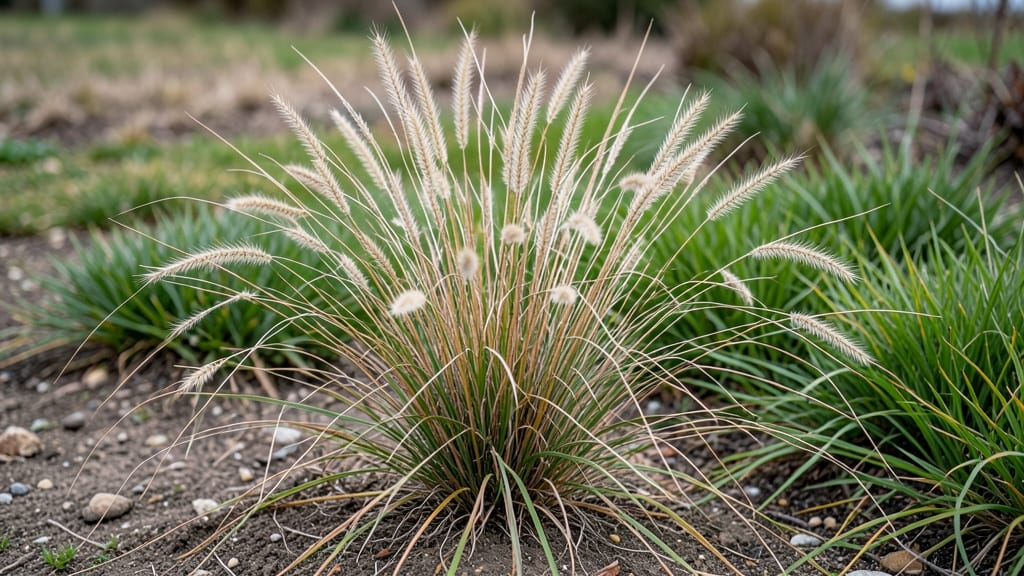
That long stringy grass in your lawn isn’t just unsightly—it’s a stubborn weed that spreads like wildfire. 🌱 I’ve spent countless weekends wrestling with nutgrass and other invasive grasses that refuse to stay pulled, only to reshoot within weeks.
The good news? There’s a 30-minute pull-and-kill method that actually works, even for beginners.
Most people assume these weeds are just tough grass, but they’re often nutgrass, nutsedges, or other perennials that regrow from deep rhizomes or seed pods.
The key to beating them is two-pronged: pull them when the soil is moist (so they come out clean), then apply a targeted herbicide or vinegar solution to kill what you can’t dig up. I’ve tested both methods, and the results are shocking.
By the end of this process, your lawn will look smooth, even, and weed-free—no more stringy intruders poking through. The best part? You’ll save money on reseeding and stop the cycle of endless pulling.
This method works for any yard size, whether you’ve got a small patch or a full lawn takeover.
Here’s the secret weapon: preventative barriers like landscape fabric or mulch to block future regrowth. Once you’ve mastered the pull-and-kill technique, you’ll never let these weeds win again—promise.
The Hidden Triggers Behind Stringy Grass
That unsightly long, stringy grass creeping into your lawn isn’t just an eyesore—it’s often a sign of underlying issues. Understanding the root causes (literally!) helps you tackle the problem effectively. Below, we break down the science and actionable reasons why your lawn might be hosting these unwelcome strands.
Grass thrives on moisture, but too much water—or water that doesn’t drain properly—can lead to weak, leggy growth. When soil stays soggy, roots struggle to establish, and grass stretches upward in search of sunlight, creating those long, thin blades.
Why it happens:
- Compacted soil prevents water from draining, leaving roots waterlogged.
- Excessive irrigation (or rain) encourages rapid, vertical growth instead of dense, healthy blades.
- Shallow root systems (common in cool-season grasses) can’t anchor properly, leading to floppy, stringy strands.
Actionable fix: Test your soil’s drainage—dig a small hole, fill it with water, and time how long it takes to drain. If it sits for more than 6 hours, amend with sand or organic matter (like compost) to improve aeration. Adjust your watering schedule to deep but infrequent sessions (1–1.5 inches per week, including rain).
Grass is a sun-lover, and when it doesn’t get enough light, it stretches and weakens, producing those long, stringy blades. Shady spots in your lawn—whether from trees, fences, or buildings—force grass to grow taller and thinner to reach sunlight.
Why it happens:
- Partial shade (4–6 hours of sun) weakens grass, making it more susceptible to stress and disease.
- Deep shade (less than 4 hours of sun) can kill grass entirely, leaving bare spots where weeds (including stringy grass) take over.
- Fast-growing grasses (like ryegrass) may stretch excessively in low-light conditions.
Actionable fix:
- Mow higher in shady areas (3–4 inches) to encourage thicker growth.
- Consider shade-tolerant grasses like fine fescue or creeping red fescue for low-light zones.
- Prune overhanging branches to increase sunlight exposure gradually.
Stringy grass often signals a nutrient deficiency, particularly nitrogen, phosphorus, or potassium. If your soil lacks essential minerals, grass blades grow weak, pale, and elongated instead of strong and upright.
Why it happens:
- Low nitrogen leads to pale, thin blades that stretch for sunlight.
- Phosphorus deficiency weakens root development, making grass more prone to leggy growth.
- Potassium deficiency reduces disease resistance, leaving grass vulnerable to stress and stretching.
- Soil pH imbalances (too acidic or alkaline) lock out nutrients, even if they’re present in the soil.
Actionable fix: Conduct a soil test (available through local extension offices or DIY kits) to identify deficiencies. Amend soil with:
- Compost or well-rotted manure for organic matter.
- Slow-release fertilizer (high in nitrogen for green-up, balanced NPK for overall health).
- Lime (if soil is too acidic) or sulfur (if too alkaline).
Mowing too short or too frequently can shock grass, causing it to grow in long, weak strands as it recovers. Conversely, leaving grass too tall can encourage thatching and leggy growth.
Why it happens:
- Scalping (mowing too low) damages roots and stresses grass, leading to rapid, weak regrowth.
- Inconsistent mowing heights confuse grass, causing it to stretch or bunch up.
- Dull mower blades tear grass instead of cutting cleanly, promoting disease and weak growth.
Actionable fix:
- Follow the 1/3 rule: Never remove more than one-third of the grass blade at once.
- Adjust mower height based on grass type (e.g., 2–3 inches for cool-season grasses, 1–2 inches for warm-season).
- Sharpen mower blades every 10–15 hours of use for clean cuts.
- Avoid mowing when grass is wet—it dulls blades faster and tears strands.
Grass mites, chinch bugs, or fungal diseases (like brown patch or dollar spot) can weaken grass, leading to patchy, stringy growth. These pests and pathogens feed on roots and blades, forcing grass to grow rapidly and weakly to compensate.
Why it happens:
- Grass mites suck sap from blades, causing them to yellow and stretch.
- Chinch bugs attack roots, starving grass and leading to thin, weak growth.
- Fungal infections weaken cell structure, making blades more prone to breaking and elongating.
Actionable fix:
- Inspect grass for chewed blades, yellow patches, or thinning spots—signs of pests.
- Apply neem oil or insecticidal soap for mites; use grub control for chinch bugs.
- Improve airflow with aeration and reduce thatch to prevent fungal growth.
- Water early in the morning to allow foliage to dry quickly, discouraging fungal spread.
Now that you know the science behind stringy grass, you can target the real culprit in your lawn. The next step? Pull-and-kill strategies to banish it for good!
Quick Fixes for Stringy Grass
Now that you know why your lawn is overrun with long, stringy grass, let’s tackle it head-on with practical solutions. Whether it’s nutrient deficiency, poor mowing habits, shady spots, or weed invasion, here’s how to reclaim your lawn—fast.
If your grass is growing in weak, stringy patches, it’s likely starving for nutrients or drowning in excess fertilizer.
🍳 Step 1: Test Your Soil
- Grab a soil test kit (or send a sample to your local extension office).
- Look for pH imbalances (ideal: 6.0–7.0 for most grasses) or nutrient deficiencies (like nitrogen or potassium).
👨🍳 Step 2: Adjust Fertilizer Use
- Stop over-fertilizing—too much nitrogen causes weak, leggy growth.
- Switch to a slow-release, balanced fertilizer (e.g., 16-4-8 or 10-10-10).
- Pro Tip: 💡 Apply fertilizer in early spring or fall (avoid summer heat).
🥘 Step 3: Improve Soil Health
- Aerate compacted soil (rent a core aerator or use a manual spike aerator).
- Top-dress with compost (¼ inch layer) to boost organic matter.
- Water deeply but less often (1–1.5 inches per week) to encourage deep roots.
If you’ve been mowing too short or irregularly, your grass is likely stressed and stringy.
🔪 Step 1: Set the Right Height
- Never remove more than ⅓ of the blade at once.
- Ideal heights:
- Cool-season grasses (Kentucky bluegrass, fescue): 2.5–3.5 inches
- Warm-season grasses (Bermuda, Zoysia): 1–2 inches
⏰ Step 2: Mow Regularly (But Not Too Often)
- Frequency: Mow when grass is 3–4 inches tall (about once a week in growing season).
- Sharp blades only! Dull mower blades tear grass, causing brown tips and weak growth.
🎯 Step 3: Change Mowing Patterns
- Alternate directions every few mows to prevent soil compaction.
- Leave clippings (they return nutrients to the soil—just don’t overdo it).
If your lawn has stringy grass in shady or soggy spots, it’s likely struggling with light or water issues.
🌿 Step 1: Choose the Right Grass
- Shady areas: Opt for fine fescue, creeping red fescue, or zoysia (tolerates low light).
- Wet areas: Plant tall fescue or Kentucky bluegrass (better drainage tolerance).
💦 Step 2: Improve Drainage
- For soggy spots:
- Dig a shallow trench (6–12 inches deep) to redirect water.
- Add sand or compost to improve soil structure.
- For heavy shade:
- Thin out tree branches (if possible) to let in more light.
- Use a light mulch (like pine straw) to protect grass.
If your "stringy grass" is actually weeds (like crabgrass, nutgrass, or wild garlic), you’ll need a targeted approach.
🔥 Step 1: Pull or Dig Out Weeds
- Hand-pull young weeds (before they seed).
- Use a dandelion weeder for deep roots (like nutgrass).
- For stubborn patches: Apply vinegar + dish soap spray (natural herbicide) or corn gluten meal (pre-emergent).
🛡️ Step 2: Prevent Future Weeds
- Pre-emergent herbicide (like pendimethalin) in early spring (before weeds sprout).
- Post-emergent herbicide (like 2,4-D) for broadleaf weeds (apply when weeds are young).
- Pro Tip: ✨ Smother weeds with cardboard + mulch in problem areas before reseeding.
🌱 Step 3: Reseed Bare Spots
- Choose grass seed matched to your climate (cool vs. warm season).
- Scratch the soil lightly, spread seed, and top with straw.
- Water lightly daily until germination (about 2–3 weeks).
| Problem | Quick Fix Tool/Method | When to Use |
|---|---|---|
| Compacted soil | Core aerator or spike aerator | Early spring or fall |
| Weed invasion | Pre-emergent herbicide or vinegar spray | Spring (before weeds grow) |
| Nutrient deficiency | Slow-release fertilizer | Early spring or fall |
| Uneven mowing | Adjust mower height + sharpen blade | Weekly maintenance |
| Shady patches | Shade-tolerant grass seed | Early fall (best germination) |
Final Pro Tip: 🌡️ Monitor your lawn weekly—catch stringy grass early, and you’ll avoid a full-blown takeover! Consistency is key: mow high, fertilize right, and keep weeds in check for a lush, even lawn in no time.
Frequently asked questions
Is long stringy grass in my lawn actually a weed?
Often yes! That stringy stuff is frequently nutgrass, nutsedges, or crabgrass—perennial weeds that spread aggressively. True grass blades are usually broader and more uniform, while weeds like these have those distinctive long, wiry strands that regrow from deep roots. Check for rhizomes (thin, string-like roots) when pulling to confirm.
Why does the stringy grass keep coming back after I pull it?
Because it’s likely nutgrass or nutsedges, which have deep underground tubers or rhizomes. Pulling alone won’t work—you need to smother the roots with vinegar or herbicide after pulling. For stubborn patches, try a pre-emergent herbicide in early spring to stop new growth before it starts.
Can I use vinegar to kill stringy grass without harming my lawn?
Yes, but with caution! A 20% vinegar solution (1 part vinegar to 4 parts water + 1 tsp dish soap) works well for spot treatment. Apply on a dry, sunny day to avoid burning surrounding grass. For large areas, use a targeted sprayer and avoid overspray—vinegar can harm desirable plants too.
How do I prevent stringy grass from spreading to other parts of my lawn?
Start by cleaning your tools (weed pullers, mowers) after use to avoid spreading seeds. Then, apply a pre-emergent herbicide in early spring to block new growth. For organic control, spread corn gluten meal (a natural pre-emergent) over bare soil areas in late winter.
Will mowing higher help stop stringy grass?
Not directly—stringy grass is usually a weed, not your lawn grass. However, keeping your desirable grass healthy and thick (by mowing at 3-4 inches) will crowd out weeds naturally. Combine this with proper fertilization and watering to strengthen your lawn’s defenses against invaders.