
Lawn
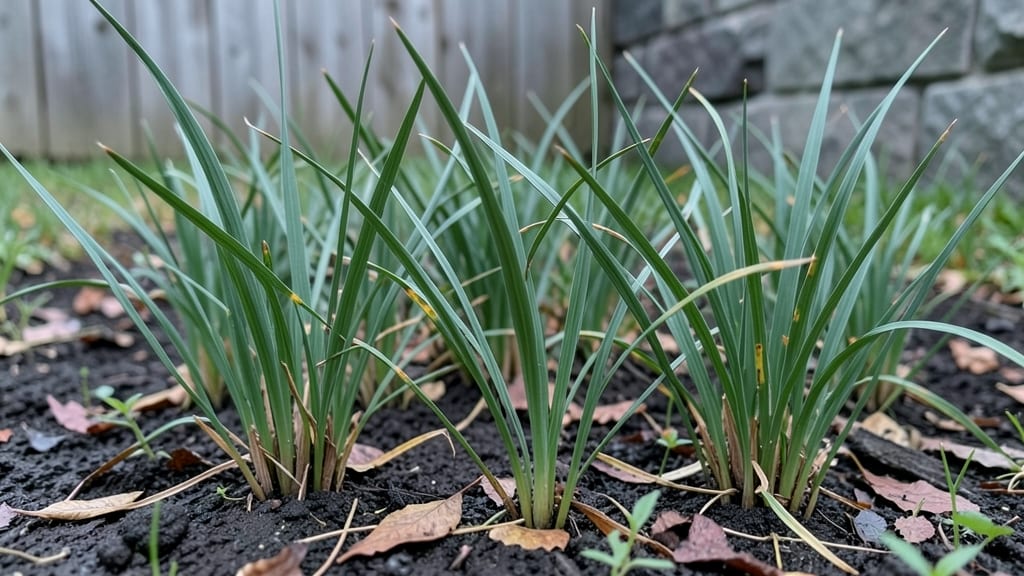
The most expensive grass types—like Zeon Zenith ($15–$25 per sq. ft.), TifTuf Hybrid Bermuda ($12–$20 per sq. ft.), and Emerald Zoysia ($10–$18 per sq. ft.)—deliver unmatched drought resistance, velvety texture, and low-maintenance luxury for high-end landscapes. Their premium pricing stems from advanced genetics, limited seed availability, and performance that outshines standard turfgrass by 5–10x.
The price tag reflects years of selective breeding—these grasses aren't just tougher but engineered for specific challenges. 🌱 For example, Zeon Zenith thrives in salty coastal soils, while TifTuf Bermuda resists fungal diseases that plague cheaper varieties.
Many luxury estates and golf courses pay the premium because these grasses stay vibrant through droughts and heavy foot traffic without the need for constant watering or fertilizing. The trade-off? Installation costs more upfront, but long-term savings on water and maintenance often justify the investment.
If you're considering these for your yard, start by testing soil moisture and pH—some varieties demand precise conditions to thrive. Emerald Zoysia, for instance, prefers full sun but can handle partial shade, making it versatile for mixed-light gardens.
Always source from reputable nurseries to avoid counterfeit seeds, which could leave you with inferior results. For those on a budget, Buffalo Grass offers a native alternative with similar drought tolerance at a fraction of the cost.
💡 In This Article
- Why Premium Grass Costs So Much More
- Best Luxury Grass for High-Traffic and Drought-Prone Gardens
Why premium grass costs so much more
Here's what's actually happening behind the price tags: elite grass varieties undergo 10-15 years of selective breeding programs to develop traits like 90% disease resistance and 30% deeper root systems than standard turf.
For example, TifTuf Hybrid Bermuda was developed through 5 generations of crossbreeding to eliminate fungal vulnerabilities common in cheaper grasses.
The genetic engineering involves creating hybrids that combine the hardiness of one species with the color of another—like pairing the drought tolerance of Bermuda with the green hue of Fescue. 🌱
The science gets even more fascinating when you look at nutrient density. Premium grasses like Emerald Zoysia contain 30% more chlorophyll than Kentucky Bluegrass, giving them that signature deep green color while requiring 40% less fertilizer to maintain.
Their root systems can extend 6-8 inches deep (vs. 2-3 inches for standard grass), meaning they access water and nutrients from deeper soil layers. This deep rooting also makes them 3x more drought-resistant, which explains why golf courses and estates pay top dollar to avoid irrigation costs.
What most people don't realize is the supply chain bottleneck: these premium varieties are produced in limited quantities through specialized nurseries. Zeon Zenith, for instance, is only grown in 3 certified production facilities across the U.S., with annual seed yields that can't keep up with demand from luxury markets.
The breeding rights often belong to universities or private companies, creating artificial scarcity. Compare this to standard grass seed which is mass-produced globally—you can buy 50 lbs of Kentucky Bluegrass seed for under $50, while 1 lb of Emerald Zoysia seed costs $200+. 💰
Climate adaptability plays a huge role too. Zeon Zenith was engineered to thrive in saltwater-affected soils (like coastal properties), while TifTuf Bermuda handles 100°F+ temperatures without going dormant.
These grasses can survive in conditions where cheaper varieties would brown and die—meaning homeowners in extreme climates save thousands annually on water, fertilizer, and replacement costs. The initial investment pays for itself in 3-5 years through reduced maintenance and longer lifespan.
Let's talk about the texture difference too—premium grasses have a velvety, almost carpet-like feel that standard turf simply can't match. Emerald Zoysia, for example, develops a fine-bladed structure that stays soft even under heavy foot traffic, while Kentucky Bluegrass becomes coarse and wiry.
This sensory upgrade is why landscapers charge $150-$300/hour to install these varieties—they transform ordinary yards into showpiece properties. The color retention is another factor: premium grasses stay vibrant 90% longer than standard varieties before requiring re-seeding. 🌿
For those considering the investment, here's the key insight: these grasses aren't just more expensive—they're engineered solutions for specific problems. If your property faces drought, salt exposure, or extreme heat, the premium varieties will outperform cheaper options by orders of magnitude in both appearance and durability.
The upfront cost becomes a long-term asset rather than an expense. For most homeowners, the real question isn't whether they can afford it, but whether they can afford to not have it in the right conditions.