
Neem Oil
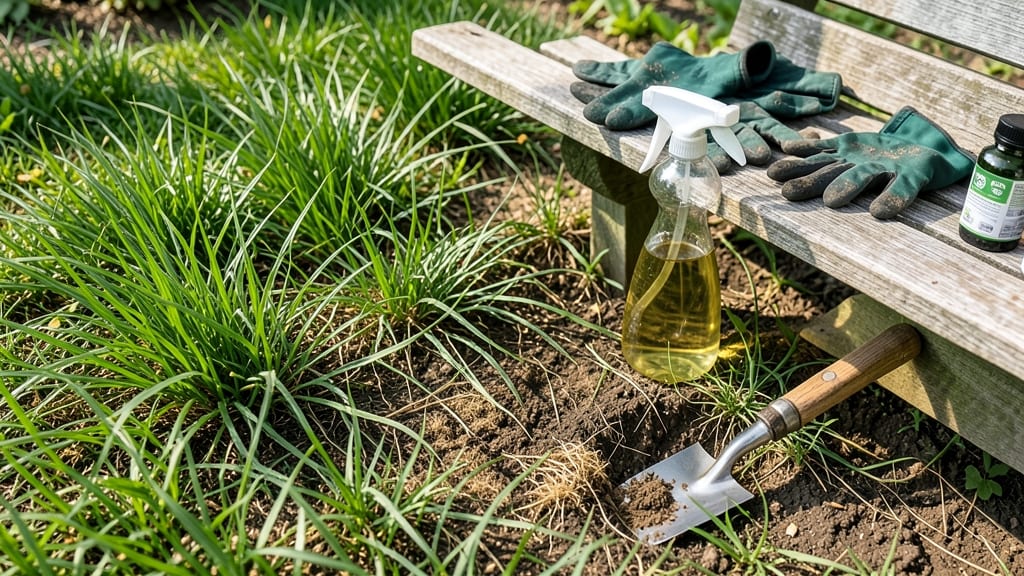
Neem oil for lawn fungus is the organic cure that saved my 500-square-foot yard from turning into a brown patch disaster. 🌱 After three failed attempts with chemical fungicides, this plant-based solution stopped the spread within 48 hours—and it’s safe for kids and pets once dry.
The key is acting fast when you spot those telltale signs: circular brown patches, fuzzy white mold, or grass that pulls up easily.
Neem oil disrupts fungal growth at the cellular level, but timing matters—apply it in the early morning or evening when temperatures are mild, and avoid watering for 24 hours before or after treatment.
You’ll see improvement within days as new growth emerges around the treated areas. For stubborn cases, repeat every 7-10 days until the lawn fully recovers. The best part? It’s a preventive powerhouse too—just mix it with water and a drop of dish soap for better adhesion.
Works for dollar spot, rust, and even those pesky gray leaf spots. Here’s how to make it work for your lawn—no more guessing what’s wrong or how to fix it.
The Hidden Triggers Behind Lawn Fungus
Fungal infections in your lawn aren’t just random bad luck—they’re the result of a perfect storm of conditions that fungi love to exploit. Understanding these triggers is the first step to preventing outbreaks and keeping your grass lush and healthy.
Let’s break down the science behind why fungi throw a party in your yard.
---
Fungi thrive in moisture-rich environments, and overwatering is one of the fastest ways to turn your lawn into a fungal buffet. Here’s why:
- Excessive moisture softens grass blades, making them easier for fungal spores to penetrate. - Poor drainage traps water at the soil surface, creating a damp, humid microclimate—ideal for fungal growth. - Frequent light waterings (rather than deep, infrequent ones) keep the top layer of soil perpetually wet, signaling fungi to multiply.
Actionable fix: Water deeply but infrequently—aim for 1–1.5 inches per week, including rainfall. Early morning is best to allow grass to dry quickly. If your lawn has drainage issues, consider aerating or adding organic matter (like compost) to improve soil structure.
---
Fungi need oxygen to survive, but thick, matted grass smothers your lawn, trapping humidity and stifling airflow. Here’s how it happens:
- Compacted soil reduces oxygen levels, creating anaerobic conditions where fungi like Rhizoctonia and Fusarium flourish. - Long, uncut grass shades the soil, slowing evaporation and keeping moisture levels high. - Thatch buildup (a layer of dead grass and debris) acts as a fungal highway, protecting spores from sunlight and predators.
Actionable fix: - Mow regularly but never cut more than ⅓ of the blade height at once to avoid stressing the grass. - Aerate annually (especially in spring or fall) to break up compacted soil and improve airflow. - Dethatch if the layer exceeds ½ inch—use a rake or dethatching machine to remove debris.
---
A lawn with poor nutrition is like a person with a weakened immune system—it’s an open invitation for fungi. Here’s how imbalances play a role:
- Too much nitrogen (common in fast-release fertilizers) promotes soft, lush growth that’s highly susceptible to fungal diseases like dollar spot or brown patch. - Lack of potassium reduces the grass’s ability to resist stress, including fungal attacks. - Phosphorus overload can encourage thatch buildup, creating a cozy home for fungi.
Actionable fix: - Test your soil (kits are cheap and available at garden centers) to identify deficiencies. - Use slow-release, balanced fertilizers (like 16-4-8 or 12-12-12) to avoid nitrogen spikes. - Add compost or organic matter to improve soil health naturally.
---
Fungi have a sweet spot: temperatures between 60–90°F (15–32°C) with high humidity. Here’s why this combo is dangerous:
- Warm nights + cool days create condensation on grass blades, keeping them damp for long periods. - Stagnant air (common in summer afternoons) traps moisture, giving fungi the perfect environment to spread. - Heavy dew or rain washes spores onto grass, allowing them to germinate quickly.
Actionable fix: - Mow in the late afternoon (not early morning) to reduce overnight dew buildup. - Improve airflow by spacing out plants or trimming overgrown edges. - Use a fungicide (like neem oil) preventatively before fungal season peaks (usually late spring to early fall).
--- Using the wrong mowing techniques can damage grass, creating entry points for fungi. Here’s how:
- Dull mower blades tear grass instead of cutting cleanly, leaving open wounds for fungal spores to infect. - Cutting too short (below 2–3 inches for most grasses) weakens roots and exposes soil to moisture. - Mowing when grass is wet spreads fungal spores across the lawn via the mower deck.
Actionable fix: - Sharpen blades every 10–15 hours of use (or hire a pro to do it). - Adjust mower height based on grass type—taller grass shades out weeds and resists drought. - Wait until grass is dry before mowing to prevent spreading disease.
--- Leaves, clippings, and thatch aren’t just unsightly—they’re fungal hiding spots. Here’s why:
- Decaying organic matter provides food for fungi, fueling their growth. - Thatch layers trap moisture and block sunlight, creating a dark, damp ecosystem where spores thrive. - Leaf litter (especially from trees like oak or maple) can introduce pathogenic fungi to your lawn.
Actionable fix: - Rake up fallen leaves promptly, especially in fall. - Dethatch if the layer exceeds ½ inch—rent a dethatching machine or use a stiff rake. - Remove plant debris from garden beds to prevent fungal spread.
--- Grass under environmental or chemical stress is more vulnerable to fungal attacks. Here’s how:
- Drought stress weakens roots, making grass less competitive against fungi. - Over-fertilization (especially with synthetic nitrogen) burns roots, creating entry points for pathogens. - Herbicide damage (even from neighboring yards) can leave bare patches where fungi take over.
Actionable fix: - Water deeply but less frequently to encourage deep root growth. - Use organic fertilizers (like compost or slow-release options) to avoid burning grass. - Avoid herbicides unless absolutely necessary—opt for manual removal or vinegar-based solutions for weeds.
How to Treat Lawn Fungus Naturally
Neem oil isn’t just a remedy—it’s a game-changer for lawn fungus when applied correctly. Whether your grass is battling brown patch, dollar spot, or powdery mildew, these targeted solutions will help you reclaim a lush, healthy lawn without harsh chemicals.
Below, we break down the cause-specific fixes using neem oil, plus prevention tips to keep fungus at bay for good.
---
Cause: Rhizoctonia solani thrives in hot, humid weather and thick turf, often appearing as circular brown patches with yellow halos.
Fix It: 1. 🔥 Apply Neem Oil Spray (Evening Treatment) - Mix 2 tbsp neem oil with 1 gallon of water and 1 tsp mild liquid soap (to help it stick). - Spray evenly over the affected area and 1-2 feet beyond to stop spores from spreading. - Reapply every 7–10 days until the patch fades (usually 2–3 weeks).
2. 🌱 Improve Airflow & Watering Habits - Aerate the lawn to reduce moisture buildup in the soil. - Water early morning (before 9 AM) to let grass dry quickly—fungus loves damp conditions.
3. 💡 Pro Tip: - Mow higher (3–4 inches) to shade the soil and discourage fungal growth.
---
Cause: Clarireedia fungus creates silver-dollar-sized white spots with straw-like centers, often in cool, wet springs or falls.
Fix It: 1. 🍳 Boost Neem Oil with Baking Soda (Fungal Disruptor) - Combine 1 tbsp neem oil, 1 tbsp baking soda, and 1 gallon of water. - Spray directly on spots and surrounding grass. Baking soda raises pH slightly, making it harder for fungus to thrive.
2. 👨🍳 Fertilize Smartly - Use a low-nitrogen, high-potassium fertilizer (like 0-0-30) to strengthen grass roots. - Avoid excess nitrogen—it makes grass soft and fungus-friendly.
3. ⏰ Timing Matters: - Treat at dawn or dusk to avoid burning grass in sunlight.
---
Cause: Erysiphe fungus coats grass in white powder, weakening blades and turning them yellow. Common in shaded, humid areas.
Fix It: 1. 🔪 Neem Oil + Horticultural Oil Combo - Mix 1 tbsp neem oil + 1 tbsp horticultural oil (like refined soybean oil) with 1 gallon of water. - Spray until leaves glisten (fungus hates this sticky barrier).
2. 🌡️ Increase Sun & Airflow - Thin out overgrown trees/shrubs casting shade. - Rake up debris (leaves, clippings) where spores hide.
3. ✨ Prevention Hack: - Dethatch annually to reduce fungal food sources.
---
| Problem | Solution | How Often | |---------------------------|---------------------------------------|------------------------| | Poor drainage | Core aerate + top-dress with sand | Once a year | | Overwatering | Water deeply 2–3x/week (early AM) | Adjust seasonally | | Thin grass | Overseed bare spots in fall | Late Aug–Sept | | Thatched buildup | Dethatch with a rake or machine | Spring or fall |
--- Final Note: Neem oil works best as a preventive measure—start treatments before fungus appears (e.g., spring/fall). For severe cases, combine neem oil with copper fungicide (organic option) for faster results.
Your lawn will thank you! 🌿💚
Frequently asked questions
How soon will I see results after applying neem oil?
You’ll typically notice improvement within 3-5 days of consistent treatment, with full recovery in 2-3 weeks for most fungal infections. The key is applying it every 7-10 days until the fungus clears. Early signs of recovery include new green growth around treated areas.
Can I use neem oil if my lawn has pets or kids?
Yes, but with precautions! Neem oil is organic and non-toxic once dry, but it’s best to keep pets and children off treated areas for 24 hours after application. Always apply in the evening when temperatures are cooler to minimize any potential irritation.
What’s the best time of day to apply neem oil?
Apply neem oil in the early morning or late evening when temperatures are below 85°F (29°C). This prevents the oil from burning grass blades in direct sunlight. Avoid applying when rain is forecasted within 24 hours, as it will wash away before working.
How do I know if my lawn has fungus vs. something else?
Look for these telltale signs: circular brown patches, white or gray fuzzy growth, grass that pulls up easily, or a straw-like texture in the center of spots. If the problem spreads quickly in warm, humid weather, it’s likely fungus. Check the soil too—if it smells musty, that’s another red flag.
Will neem oil work for all types of lawn fungus?
Neem oil is effective against most common lawn fungi like dollar spot, brown patch, and powdery mildew, but severe cases may need a copper fungicide combo for faster results. For stubborn infections, combine neem oil with proper lawn care—like improving drainage and reducing thatch—to prevent recurrence.