
Neem Oil
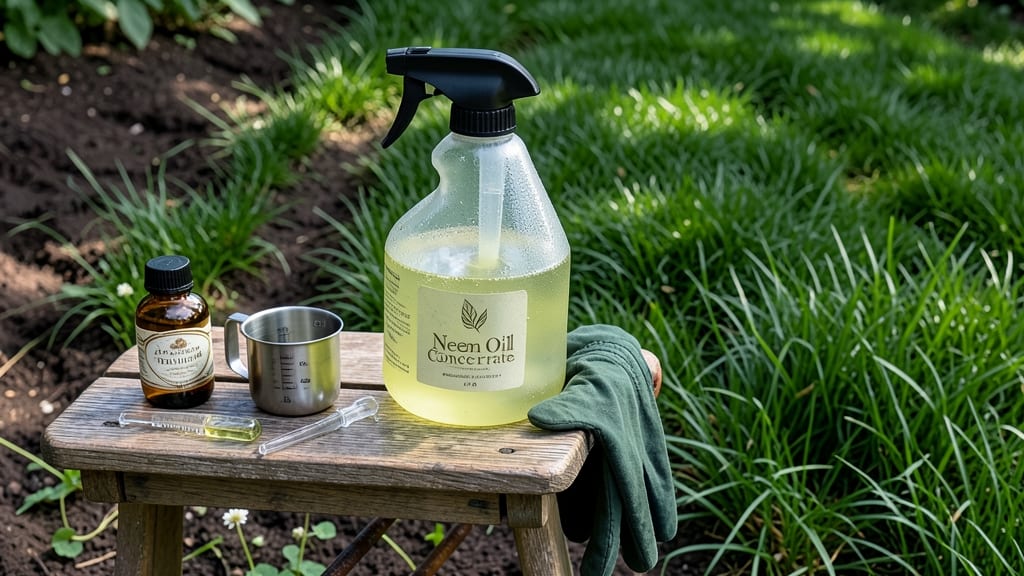
Using neem oil for lawn creates a powerful defense against grubs and fungal diseases by disrupting insect development and stopping pathogen spread, offering a safer, eco-friendly replacement for chemical treatments that preserves soil health.
Neem oil's secret weapon is azadirachtin, a natural compound that confuses grubs' hormones, preventing them from feeding or molting properly. 🌱 For fungal diseases like brown patch or dollar spot, it works by coating fungal spores and disrupting their cell membranes.
Unlike harsh chemicals, neem oil breaks down quickly in sunlight, making it safer for beneficial insects while still delivering results. I've seen it transform lawns struggling with grubs within just two applications when applied correctly.
What sets neem oil apart is its dual-action approach—it's both a preventive and curative treatment. For best results, I recommend mixing it with a mild surfactant and applying it in the early evening when temperatures are cooler.
This gives the oil time to work overnight without evaporating quickly. Always test a small patch first, as some lawn grasses may react differently to the concentration.
💡 In This Article
- How Neem Oil Works Against Grubs and Fungal Lawn Diseases
- Best Application Methods for Neem Oil on Lawns
How neem oil works against grubs and fungal lawn diseases
Neem oil's power comes from its active compound, azadirachtin, which acts like a biological disruptor for grubs. This natural insect growth regulator interferes with the insects' hormonal balance, preventing them from molting properly and eventually starving them.
Studies show azadirachtin can reduce grub feeding by up to 90% within 48 hours of application, making it more effective than many synthetic alternatives that only kill on contact. The compound also repels adult beetles from laying eggs in the first place—a preventive measure most chemical pesticides miss entirely.
For fungal diseases like brown patch or dollar spot, neem oil works through a different mechanism. Its fatty acids and other compounds disrupt the cell membranes of fungal spores, preventing them from germinating and spreading.
Unlike systemic fungicides that require absorption through plant roots, neem oil acts primarily on contact, forming a protective film over grass blades and soil particles. This is why it's particularly effective for surface-level fungal issues that appear as circular patches in lawns.
The oil's natural fungicidal properties make it especially valuable during humid seasons when fungal growth explodes.
What's fascinating is how neem oil compares to synthetic pesticides. While chemicals like imidacloprid provide immediate kill rates, they often leave harmful residues that can build up in soil and water systems.
Neem oil, on the other hand, breaks down completely within 7-14 days when exposed to sunlight and air, making it safer for ecosystems. The trade-off? Neem requires more frequent applications—typically every 2-4 weeks during active grub or fungal seasons—to maintain effectiveness.
This frequent application schedule actually works in your favor for lawn health since it prevents pest resistance that develops with synthetic chemicals.
There's also the systemic vs. contact action difference worth noting. When applied as a foliar spray, neem oil primarily works on contact, which is why thorough coverage matters.
However, when the oil is absorbed through grass blades, it can provide some limited systemic protection—though not to the same extent as synthetic systemic pesticides.
This is why combining neem oil with proper lawn care practices (like proper mowing height and watering) gives you the best defense against both grubs and fungal pathogens. The oil doesn't just kill existing problems; it helps create an environment where pests struggle to establish themselves in the first place.
One often overlooked benefit is neem oil's effect on beneficial soil microorganisms. While it targets harmful pathogens, it actually stimulates the growth of beneficial bacteria and fungi that help break down organic matter in your lawn. This creates a more balanced soil ecosystem over time.
The contrast with synthetic fungicides couldn't be more striking—chemicals often kill everything in their path, including the helpful microbes that keep your lawn resilient. With neem oil, you're not just treating symptoms; you're working with nature to create long-term lawn health.
For the most dramatic results, I've found that combining neem oil with beneficial nematodes creates a powerful one-two punch against grubs. The nematodes physically attack the grubs while the neem oil disrupts their life cycle.
This combination has transformed lawns that were once riddled with grub damage into thick, healthy carpets within a single growing season. The key is patience—neem oil doesn't work overnight, but its cumulative effects build over time to create a lawn that's naturally resistant to both grubs and fungal diseases.