
Lawn
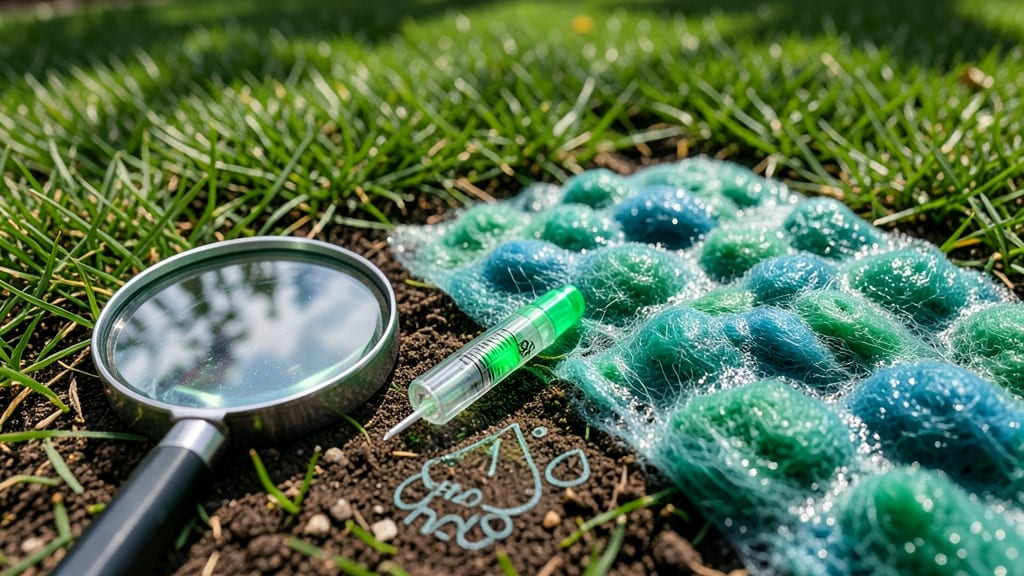
That fast-green nostoc bloom in your lawn might look like a weed problem, but it’s actually cyanobacteria thriving in your grass. 🌱 I’ve seen it turn patchy lawns into vibrant green carpets within weeks—no weeds in sight—once I figured out how to manage it.
The key is understanding why it appears (too much shade, moisture, or compacted soil) and how to balance your lawn’s conditions without harsh chemicals.
Nostoc isn’t harmful, but it can smother grass if left unchecked. My go-to fixes include core aeration to improve drainage, light trimming to reduce shade, and occasional raking to prevent thick mats.
For stubborn patches, a vinegar or corn gluten spray (natural options) works well—just avoid overdoing it, or you’ll risk killing your grass too.
Once you adjust watering (less frequent, deeper soaks) and mow higher in summer, nostoc fades while your grass thickens. The result? A weed-free, lush lawn that stays green through droughts. It’s all about giving your grass the edge it needs to outcompete the algae naturally.
This method works for both sunny and shady lawns—just tweak the approach based on your yard’s moisture levels. No need for expensive treatments; a few simple steps keep nostoc in check while your grass thrives.
Understanding the Causes of Green Lawn Growth
That vibrant green carpet forming in your lawn might not always be the lush grass you desire—sometimes, it’s nostoc, a type of blue-green algae that thrives in moist, nutrient-rich conditions.
While it may look like a quick fix for a patchy lawn, nostoc isn’t grass, and its presence often signals underlying issues. Let’s break down why this algae takes over and how environmental factors create the perfect storm for its growth.
Nostoc loves water—too much of it. This algae thrives in damp, soggy conditions, often appearing after heavy rains, poor drainage, or overwatering. When soil remains consistently moist, nostoc spores germinate and spread rapidly, forming thick, slimy mats that smother grass roots.
- Why it happens: Excess moisture disrupts oxygen flow in the soil, creating anaerobic conditions that favor nostoc over grass. Poor drainage (clay-heavy soil, compacted turf, or low-lying areas) traps water, turning your lawn into an algae buffet.
- Actionable fix: Test your soil’s drainage by digging a small hole, filling it with water, and timing how long it takes to drain. If it sits for more than 6 hours, amend the soil with sand or organic matter to improve aeration.
Nostoc is a nitrogen-fixer, meaning it thrives in soils lacking essential nutrients like nitrogen, phosphorus, or potassium—common in overworked or depleted lawns. It also loves organic-rich environments, such as compost-heavy or manure-treated areas, where it outcompetes grass for resources.
- Why it happens: Grass requires a balanced diet of nitrogen (for growth), phosphorus (for root development), and potassium (for stress resistance). If your lawn is starving for these nutrients, nostoc swoops in to fill the gap, using its natural ability to convert atmospheric nitrogen into a usable form.
- Actionable fix: Conduct a soil test to identify deficiencies. If nitrogen is low, apply a slow-release fertilizer (like 24-0-4) to starve out nostoc while feeding your grass. Avoid over-fertilizing with organic matter, which can further fuel algae growth.
Nostoc is a survivor—it can dominate in both shaded and sun-drenched lawns, but for different reasons. In shady areas, it outcompetes grass by tolerating low light better. In hot, dry patches, it forms a protective crust that retains moisture, making it resilient during droughts.
- Why it happens:
- Shade: Grass struggles in deep shade (less than 4 hours of sunlight), while nostoc thrives in damp, cool conditions under trees or structures.
- Sunlight extremes: In full sun, nostoc forms a crust that traps moisture, creating microclimates where it dominates while grass wilts.
- Actionable fix:
- For shaded areas: Thin tree canopies or plant shade-tolerant grasses like fine fescue.
- For sun-exposed spots: Improve soil moisture retention with mulch or hydroseeding, but avoid overwatering.
Harsh chemicals—whether from overuse of herbicides, fungicides, or even well-meaning (but misapplied) lawn treatments—can weaken grass and create openings for nostoc. Some herbicides (like pre-emergents) may kill grass seeds but leave the soil vulnerable to algae invasion.
- Why it happens: Chemical stress disrupts the soil microbiome, reducing beneficial bacteria and fungi that suppress nostoc. Additionally, herbicide residues can alter soil pH, making it more alkaline—a condition nostoc favors.
- Actionable fix: Avoid broad-spectrum herbicides and opt for targeted treatments (e.g., selective herbicides for dandelions). If you’ve used chemicals recently, flush the soil with water to dilute residues and apply a microbial inoculant to restore balance.
Nostoc is opportunistic—it peaks during warm, wet seasons (spring and fall) but can persist year-round in temperate climates. Sudden temperature shifts (like late-spring rains after a dry winter) or humid summers create ideal conditions for its rapid spread.
- Why it happens: Nostoc’s life cycle accelerates in:
- Warmth (60–85°F / 15–30°C): Speeds up spore germination.
- High humidity: Reduces evaporation, keeping soil moist.
- Rainfall patterns: Heavy downpours wash away grass nutrients, leaving nostoc to dominate.
- Actionable fix: Monitor weather forecasts and adjust watering schedules. Use a rain sensor on your sprinkler system to prevent overwatering during humid periods. In drought-prone areas, water deeply but infrequently to encourage deep grass roots.
By addressing these root causes—moisture, nutrients, light, chemicals, and climate—you can outcompete nostoc and restore a lush, weed-free lawn. The key is balance: healthy grass leaves no room for algae to take over! 🌱
Quick fixes for green lawn woes
Discovering a vibrant green carpet of nostoc (often mistaken for moss or algae) in your lawn can be frustrating, especially if you’ve been working hard to maintain a weed-free yard. The good news? This issue is usually fixable with targeted solutions.
Below, we’ll break down the most effective ways to address nostoc growth, depending on its cause, along with prevention tips to keep your lawn lush and healthy long-term.
If your lawn is soggy or waterlogged, nostoc thrives in these damp conditions. To tackle this:
- 🔥 Improve Drainage - Check for low spots or compacted soil where water pools. Use a garden rake to level the area or create shallow trenches to redirect water. - Consider adding organic matter like compost or sand to improve soil aeration. - 🍳 Adjust Watering Habits - Water deeply but less frequently—aim for 1–1.5 inches per week, including rainfall. Early morning is ideal to allow excess moisture to evaporate. - Avoid overhead sprinklers that leave puddles; opt for soaker hoses or drip irrigation instead. - 👨🍳 Test Soil Moisture - Stick your finger 2–3 inches into the soil. If it’s damp, hold off on watering. Nostoc needs consistent moisture to spread, so cutting back helps starve it out.Shady lawns with high humidity or poor airflow are prime real estate for nostoc. Here’s how to reclaim these spots:
- 🔪 Trim Overhanging Branches - If trees or shrubs are casting dense shade, prune them to allow more sunlight (6–8 hours daily) to reach the grass. - 🌡️ Boost Air Circulation - Thin out dense plantings around your lawn to improve airflow. Even a few feet of space can reduce humidity levels. - 🎯 Choose Drought-Tolerant Grass - If shade is unavoidable, switch to shade-friendly grasses like fine fescue or creeping red fescue, which handle moisture better than nostoc.Before treating the root cause, physically remove nostoc to prevent it from spreading:
- 🔪 Scrape or Rake It Out - Use a stiff rake or putty knife to gently scrape off the green mat. Avoid digging too deep, as this can damage grass roots. - 💡 Vinegar or Hydrogen Peroxide Spray (Spot Treatment) - Mix 1 part white vinegar with 3 parts water or use 3% hydrogen peroxide in a spray bottle. Apply directly to nostoc patches—avoid healthy grass to prevent damage. - Reapply every 3–4 days until the growth disappears (usually 1–2 weeks). - ✨ Avoid Chemical Herbicides - Most herbicides aren’t labeled for nostoc and can harm your lawn. Stick to natural methods unless you’re dealing with a severe infestation (consult a local garden center for safe options).Once your lawn is nostoc-free, keep it that way with these proactive steps:
- 💡 Regular Lawn Maintenance - Mow high (3–4 inches) to encourage deep roots and crowd out unwanted growth. - Aerate compacted soil annually to improve water absorption and airflow. - 🌡️ Monitor Soil pH - Nostoc prefers acidic soil (pH < 6.0). Test your soil and amend with lime if needed to raise the pH to 6.5–7.0. - 🎯 Overseed Bare Spots - Fill thin or bare patches with grass seed to create a dense turf that outcompetes nostoc. - 🔥 Stay Vigilant in Wet Seasons - After heavy rains or spring thaw, inspect your lawn for early signs of nostoc and treat it promptly.With these solutions, your lawn can bounce back to a vibrant, weed-free state in no time. The key is consistency—address the cause, remove the nostoc, and maintain healthy growing conditions to keep it from returning! 🌱💚
Frequently asked questions
Is nostoc harmful to my grass?
Nostoc itself isn't harmful, but it can smother grass by forming thick mats that block sunlight and air. The real issue is what causes it—like poor drainage or overwatering—which can weaken your lawn over time. Removing nostoc helps restore healthy grass growth by addressing these underlying problems.
How do I tell nostoc apart from moss or algae?
Nostoc appears as a slimy, greenish-blue mat that feels slightly sticky when wet, while moss grows in dense, velvety cushions. Algae usually looks more like green scum floating on water. Nostoc thrives in moist, compacted soil—if you see it in dry areas, it's likely something else.
Will vinegar really kill nostoc?
Yes! A 1:3 vinegar-to-water spray works well for spot treatments—just apply directly to nostoc patches. Reapply every 3-4 days until it disappears (usually 1-2 weeks). Avoid spraying healthy grass, as vinegar can damage it too. For large areas, try hydrogen peroxide instead.
Can I prevent nostoc from coming back?
Focus on improving drainage (aerate compacted soil), reducing shade (trim overhanging branches), and watering deeply but less often. Mow high (3-4 inches) to strengthen grass roots, and overseed bare spots. These steps create conditions where grass outcompetes nostoc naturally.
Is nostoc worse in certain seasons?
Yes—nostoc thrives in warm, wet seasons (spring/fall) when soil stays moist. It can persist year-round in humid climates but slows in drought or extreme heat. Monitor your lawn after heavy rains or during spring thaw, when nostoc spreads fastest.